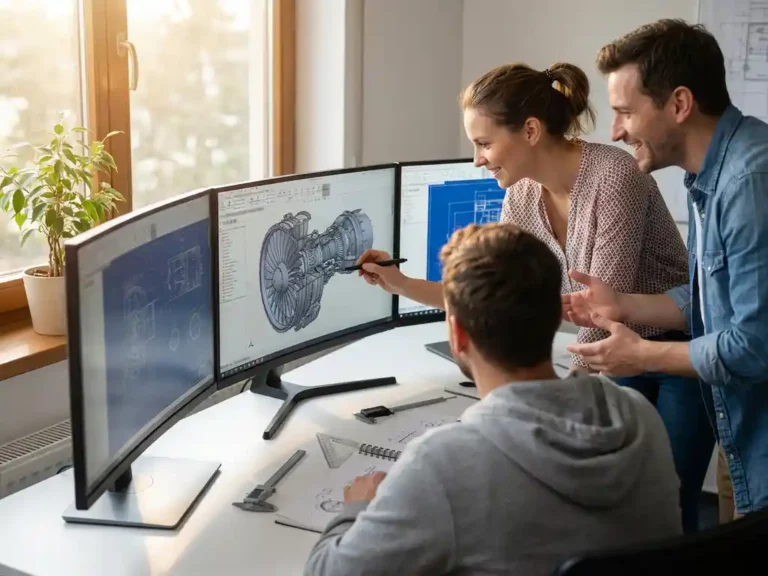
Specialized industrial designers for mechanical engineering projects can be found through design studios, freelance platforms, professional networks, and industry associations. These experts combine technical engineering knowledge with design expertise to create products that balance functionality, manufacturability, and user experience. The most effective approach is often to work with established design studios that offer comprehensive Industriedesign-Dienstleistungen and have proven track records in mechanical applications.
What makes an industrial designer specialized for mechanical engineering projects?
Specialized industrial designers possess deep technical knowledge of manufacturing processes, materials science, and engineering constraints that general designers typically lack. They understand how design decisions impact production costs, assembly methods, and performance requirements while maintaining aesthetic appeal and user functionality.
These professionals bridge the gap between creative vision and technical reality. They are familiar with mechanical tolerances, stress analysis, thermal considerations, and regulatory compliance requirements. Unlike general designers, they can evaluate whether a design concept is manufacturable within budget constraints and timeline requirements.
Their expertise extends to materials selection and understanding how different plastics, metals, and composites behave under various conditions. They collaborate effectively with engineering teams, speaking the technical language necessary for productive discussions about feasibility, optimization, and problem-solving. This technical fluency allows them to create designs that enhance User Experience im Industriedesign while meeting stringent engineering specifications.
When you Industriedesigner mit mechanischer Spezialisierung beauftragen, you gain access to professionals who can anticipate manufacturing challenges early in the design process, potentially saving significant time and costs during production phases.
Where do companies typically find qualified industrial designers for mechanical projects?
Companies most commonly find specialized industrial designers through established design studios, professional networks, industry associations, and specialized recruitment platforms. Design studios offer the advantage of comprehensive teams with proven track records in mechanical applications and established processes for complex projects.
Professional networks within engineering and manufacturing communities often yield the best recommendations. Industry associations like the Industrial Designers Society of America (IDSA) maintain directories of qualified professionals with specific areas of expertise. Many companies also discover talent through engineering conferences and trade shows where designers showcase their mechanical engineering collaborations.
Online platforms such as specialized design job boards, LinkedIn professional networks, and portfolio websites like Behance or Core77 provide access to global talent pools. However, evaluating technical competency requires careful portfolio review and reference checking.
University partnerships with industrial design and engineering programs can connect companies with emerging talent and established professors who consult on industry projects. Many successful partnerships begin through academic collaborations or internship programs that develop into long-term professional relationships.
What should you look for when evaluating industrial design expertise?
Evaluate industrial design expertise by examining portfolio projects that demonstrate technical complexity, manufacturing knowledge, and successful collaboration with engineering teams. Look for evidence of designs that progressed from concept through production, showing an understanding of real-world constraints and problem-solving capabilities.
Key portfolio elements include detailed process documentation showing how designers addressed technical challenges, material selection rationale, and manufacturing considerations. Strong candidates present before-and-after comparisons demonstrating how they refined designs based on engineering feedback and testing results.
Technical competencies to assess include familiarity with CAD software, understanding of manufacturing processes relevant to your industry, and knowledge of applicable regulatory standards. Designers should be able to articulate how their aesthetic decisions support functional requirements rather than compromise them.
Communication skills are crucial for successful engineering collaboration. Evaluate how candidates explain technical concepts, respond to constraint-based feedback, and adapt designs based on engineering input. References from previous engineering collaborators provide valuable insights into working relationships and problem-solving approaches.
Also consider their experience with similar product categories, their understanding of your target market, and their ability to balance aesthetic goals with technical requirements within budget parameters.
How do specialized design studios differ from individual freelance designers?
Specialized design studios offer comprehensive teams with diverse expertise, established quality assurance processes, and greater project capacity compared to individual freelance designers. Studios typically provide more robust support throughout project lifecycles, from initial concept through production support and post-launch optimization.
Studios maintain collective knowledge bases spanning multiple disciplines, allowing them to address complex challenges that might overwhelm individual designers. They often have established relationships with manufacturers, suppliers, and testing facilities that can accelerate project timelines and ensure quality outcomes.
Resource availability differs significantly between studios and freelancers. Studios can dedicate multiple team members to urgent projects, provide backup coverage during illness or vacation, and offer specialized expertise for specific project phases. Individual freelancers may struggle with capacity limitations during busy periods or when projects require diverse skill sets.
Quality assurance processes in established studios include peer review, standardized documentation, and systematic testing protocols. Freelancers rely on individual quality control, which can vary based on experience and current workload pressures.
Long-term support capabilities favor studios, as they are more likely to remain available for future modifications, updates, or related projects. Individual freelancers may change focus areas, relocate, or become unavailable for ongoing support needs. However, freelancers often provide more direct communication and may offer more flexible pricing structures for smaller projects.
Finding the right industrial designer for mechanical engineering projects requires careful evaluation of technical expertise, collaborative skills, and project requirements. Whether choosing established studios or individual specialists, success depends on matching designer capabilities with project complexity and long-term support needs. Investment in qualified industrial design expertise pays dividends through improved product functionality, reduced manufacturing costs, and enhanced market appeal. For companies seeking comprehensive industrial design services, partnering with experienced professionals ensures optimal outcomes for complex mechanical engineering projects.