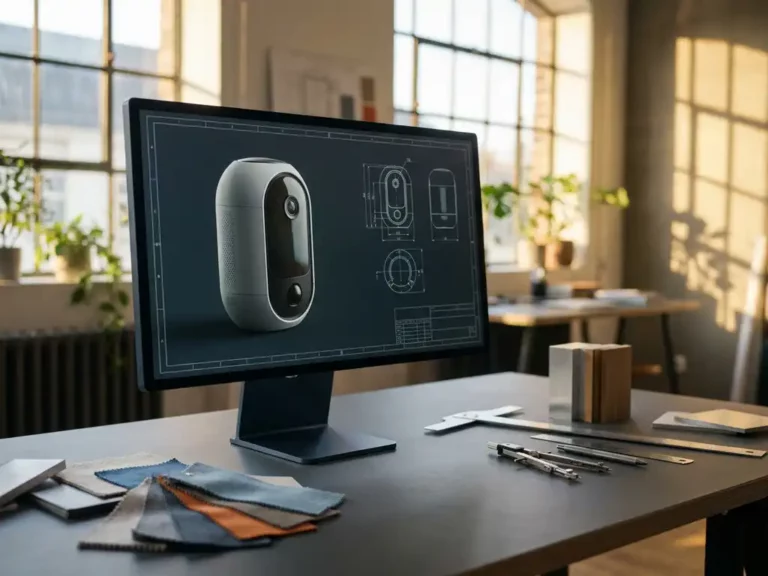
Industrial design teams need a combination of formal design education, technical expertise, creative problem-solving abilities, and specialized skills in areas like CAD software, materials science, and user experience research. The most effective teams balance traditional design qualifications with interdisciplinary knowledge and emerging technology competencies.
Building a successful industrial design team requires understanding both the foundational requirements and the evolving skill sets that drive innovation in product development. Modern design challenges demand teams that can navigate complex technical constraints while maintaining creative vision and user-centered thinking.
What educational background do industrial designers need?
Industrial designers typically need a bachelor’s degree in industrial design, product design, or a related field like mechanical engineering or fine arts. Most programs combine design theory, technical drawing, materials science, and hands-on prototyping experience over four years of study.
The strongest educational foundations include coursework in design methodology, human factors engineering, manufacturing processes, and sustainability principles. Many programs now integrate digital design tools, 3D modeling, and user research methods into their core curriculum. Students learn to balance aesthetic considerations with functional requirements through studio projects that simulate real-world design challenges.
Advanced degrees can provide specialized expertise in areas like interaction design, design management, or specific industry sectors. However, practical experience through internships, co-op programs, and portfolio development often carries equal weight with employers. The best candidates combine formal education with a demonstrated ability to solve complex design problems and communicate ideas effectively.
Which technical skills are essential for industrial design teams?
Industrial design teams must master CAD software like SolidWorks, Rhino, or Fusion 360, along with visualization tools such as KeyShot or Blender for rendering. Additionally, teams need prototyping skills, materials knowledge, manufacturing process understanding, and basic engineering principles to create viable products.
Computer-aided design proficiency forms the backbone of modern industrial design work. Teams should be comfortable with both surface modeling for aesthetic development and parametric modeling for technical accuracy. 3D printing and rapid prototyping capabilities allow designers to test concepts quickly and iterate based on physical feedback.
Understanding manufacturing constraints helps teams design products that can actually be produced efficiently. This includes knowledge of injection molding, CNC machining, sheet metal fabrication, and assembly processes. Teams also benefit from familiarity with materials testing, quality control standards, and regulatory compliance requirements specific to their target markets.
Digital collaboration tools have become increasingly important as teams work across geographic boundaries. Proficiency with project management software, version control systems, and cloud-based design platforms enables seamless coordination between team members, clients, and manufacturing partners.
How important are creative qualifications versus technical ones?
Creative and technical qualifications are equally important in industrial design, as successful products require both innovative thinking and practical execution. The most valuable team members can bridge the gap between artistic vision and engineering constraints, translating creative concepts into manufacturable solutions.
Creative qualifications provide the foundation for generating original ideas, understanding user needs, and developing compelling product narratives. These skills include visual communication, conceptual thinking, trend analysis, and the ability to synthesize complex requirements into elegant solutions. Creative team members excel at identifying unmet needs and imagining new possibilities.
Technical qualifications ensure that creative concepts can become real products. Without solid technical skills, even the most innovative ideas remain unrealized. Technical team members understand material properties, manufacturing limitations, cost constraints, and regulatory requirements that shape final product outcomes.
The most successful industrial design teams cultivate both skill sets within individual members rather than creating rigid divisions between „creative“ and „technical“ roles. This integrated approach leads to more innovative solutions because team members can consider aesthetic and functional requirements simultaneously throughout the design process.
What specialized certifications boost industrial design careers?
Professional certifications in software like SolidWorks Professional, Autodesk Certified User, or Adobe Certified Expert demonstrate technical proficiency to employers. Industry-specific certifications in areas like medical device design, automotive safety standards, or sustainable design practices can significantly enhance career prospects in specialized markets.
Software certifications validate expertise with specific tools and can help designers stand out in competitive job markets. Many employers use these certifications as screening criteria, particularly for entry-level positions. Advanced certifications often require demonstrating complex problem-solving abilities beyond basic software operation.
Professional organization memberships, such as the Industrial Designers Society of America (IDSA) or local design councils, provide networking opportunities and continuing education resources. These organizations often offer their own certification programs focused on design methodology, ethics, and professional practice standards.
Specialized training in emerging technologies like virtual reality, artificial intelligence, or sustainable design methodologies can position designers for future opportunities. As industries evolve, professionals who invest in cutting-edge skills often find themselves in high demand for innovative projects.
Should industrial design teams include non-design specialists?
Yes, industrial design teams benefit significantly from including non-design specialists like engineers, marketers, user researchers, and business analysts. These diverse perspectives help teams understand technical constraints, market requirements, user needs, and business objectives that directly impact product success.
Engineers bring critical technical expertise that prevents costly design revisions later in the development process. They can identify potential manufacturing issues, suggest alternative materials or construction methods, and ensure products meet safety and performance standards. Early collaboration between designers and engineers typically results in more innovative and feasible solutions.
Marketing professionals help teams understand target audiences, competitive landscapes, and positioning strategies that influence design decisions. They provide insights into consumer preferences, pricing constraints, and market timing that shape product requirements. User researchers contribute valuable data about how people actually interact with products, revealing gaps between intended and actual usage patterns.
Business analysts ensure design decisions align with company objectives, budget constraints, and strategic priorities. They help teams evaluate trade-offs between features, costs, and timelines while maintaining focus on commercially viable outcomes. This interdisciplinary approach leads to products that succeed both as design achievements and business ventures.
How code2design helps with industrial design qualifications
We bring together a carefully curated team of senior and junior designers with complementary qualifications that span the full spectrum of industrial design expertise. Our interdisciplinary approach combines formal design education with deep technical knowledge and over 25 years of practical experience developing award-winning products.
Our team qualifications include:
- Advanced CAD and visualization capabilities using both traditional and cutting-edge tools
- Materials science expertise and manufacturing process knowledge
- User research and ergonomic analysis competencies
- Strategic design thinking and innovation management skills
- Collaboration with research institutions like the Fraunhofer Institute for specialized projects
Ready to build a product development team with the right qualifications for your project? Explore our comprehensive industrial design services and discover how our proven expertise can bring your vision to life.