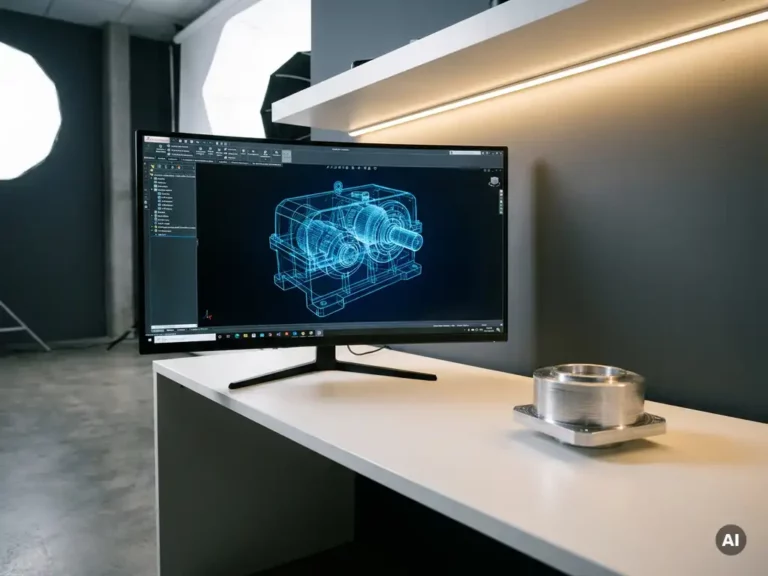
Technical quality is invisible until design makes it visible. For manufacturers and product companies, this is one of the most underappreciated challenges in bringing a product to market: the engineering inside a product may be exceptional, but if the external design fails to communicate that precision, buyers will never know. Industrial design is the bridge between what a product does and what a customer believes it can do, and getting that bridge right requires deliberate, strategic thinking about every visual and tactile detail.
The good news is that design language is learnable and repeatable. Once a team understands how product design principles translate technical quality into perceived value, they can apply those principles consistently across an entire portfolio. The sections below break down exactly how that works.
The visual language of precision in product design
Precision communicates itself through consistency. When every radius, every gap, every alignment point on a product follows a clear geometric logic, the eye reads it as intentional and therefore trustworthy. This is why high-end measuring instruments, medical devices, and professional tools share a visual vocabulary of tight tolerances, flush surfaces, and restrained ornamentation even when they come from entirely different industries.
The key elements of a precision-oriented visual language include symmetry and balanced proportions, a clear hierarchy of forms where primary functions are visually dominant, and the deliberate use of negative space to let individual elements breathe. Clutter is the enemy of perceived quality. When a product looks busy or unresolved, it signals that decisions were made reactively rather than by design. By contrast, a calm, ordered surface invites the viewer to trust that the same discipline was applied to the engineering underneath.
How material and finish choices signal craftsmanship
Material selection is one of the most direct tools available in industrial design for communicating manufacturing quality. A brushed aluminum housing, a matte-textured polymer with tight color consistency, or a glass lens with an anti-reflective coating all send immediate signals about the care and investment that went into production. These choices work because they are physically difficult to fake at scale, which means buyers have learned, often unconsciously, to associate them with genuine quality.
Finish consistency matters just as much as the material itself. Uneven surface texture, color variation between batches, or visible parting lines from injection molding all undermine the impression of craftsmanship even if the underlying engineering is sound. This is why the specification of surface treatments, coatings, and tolerances in the design phase is not a cosmetic afterthought but a core part of the product design process. The finish is the handshake between the manufacturer and the customer.
Aligning design language with brand and technical identity
A product’s visual identity should feel like a natural extension of the brand it represents. When there is a disconnect between how a company presents itself in marketing and how its products look and feel in the hand, customers sense the inconsistency even if they cannot articulate it. This misalignment erodes trust and weakens the premium positioning that technical companies often work hard to build.
Achieving alignment means starting with a clear understanding of the brand’s core values and then translating those values into specific, repeatable design decisions. A company that positions itself around precision engineering might express that through sharp, angular forms and monochromatic palettes. A brand built on ergonomic innovation might favor softer radii and tactile grip zones. Neither approach is universally correct. What matters is that the design communication is coherent and that every product in the portfolio reinforces the same story.
This is also where brand identity and product strategy intersect. Product managers who treat design as a downstream execution task often find that their portfolios look fragmented over time, with each product generation reflecting the aesthetic preferences of whoever was in charge at the time rather than a consistent brand vision. Building a design language system early, and defending it consistently, is one of the highest-leverage investments a product organization can make.
Common pitfalls that undermine perceived quality
Even products with genuine technical excellence can suffer from design decisions that work against them. The most common pitfall is over-specification of features at the expense of visual clarity. When every function demands its own button, indicator, or vent, the result is a surface that looks complicated rather than capable. Simplification is not dumbing down. It is the discipline of deciding what the product needs to say and removing everything that contradicts that message.
A second frequent issue is inconsistency in detail resolution. High-quality design decisions in one area of a product draw attention to lower-quality decisions elsewhere. A beautifully machined aluminum front panel paired with a visibly cheap plastic back cover creates a credibility gap that is hard to overcome. Buyers notice these inconsistencies because they suggest that quality control is selective rather than systematic.
Finally, ignoring the unboxing and handling experience is a missed opportunity. The weight distribution of a product, the resistance of a button press, the sound a latch makes when it closes: these micro-interactions all contribute to the overall perception of manufacturing quality. Industrial design that accounts for these sensory dimensions from the beginning produces products that feel as good as they perform.
Measuring design impact on purchasing decisions
Quantifying the effect of design on buyer behavior is more tractable than it might seem. The most direct approach is to gather structured feedback during the product development process using concept testing and preference studies. When potential customers are shown two versions of a product, one with a refined design language and one without, the difference in perceived quality scores and willingness to pay is usually significant and measurable.
Beyond structured testing, market data tells its own story. Products that consistently win industrial design awards tend to perform better in competitive tenders and retail environments, not because the awards themselves drive sales, but because award-winning design reflects the kind of deliberate, user-centered thinking that resonates with buyers. Return rates, customer satisfaction scores, and brand perception surveys are all downstream indicators of whether the design is doing its job.
For product managers evaluating design investments, the most useful frame is not „how much does good design cost?“ but „what is the cost of design that fails to communicate quality?“ Repositioning a product after a weak market reception, or managing the reputational damage from a product that looks cheaper than it is, almost always costs more than getting the design right from the start. Good design strategy is risk management as much as it is creative work.
How code2design helps communicate technical quality through design
We work with product managers and business leaders who understand that design is a strategic asset, not a finishing touch. At code2design, our 360° design approach connects deep user insight with technical expertise to create products that make quality visible from the first glance. Here is what that looks like in practice:
- Design language development: We define a coherent visual and tactile vocabulary that aligns with your brand identity and communicates your technical positioning consistently across your product portfolio.
- Material and finish specification: We guide the selection of surfaces, textures, and coatings that signal craftsmanship and hold up to the realities of manufacturing at scale.
- Full-service product development: From strategic concept through to production-ready specifications, we cover every phase so your internal teams stay focused on what they do best.
- Interface and interaction design: We extend the quality narrative to every touchpoint, including digital interfaces and physical controls, so the experience is consistent throughout.
- Innovation management: We help you identify where design can differentiate your offering and reduce time-to-market without compromising on the precision your customers expect.
With more than 75 international design awards and over 25 years of experience across industries from medical technology to industrial sensors, we bring proven expertise to every project. If you are ready to make your technical quality visible, get in touch with our team and let us explore what is possible together.