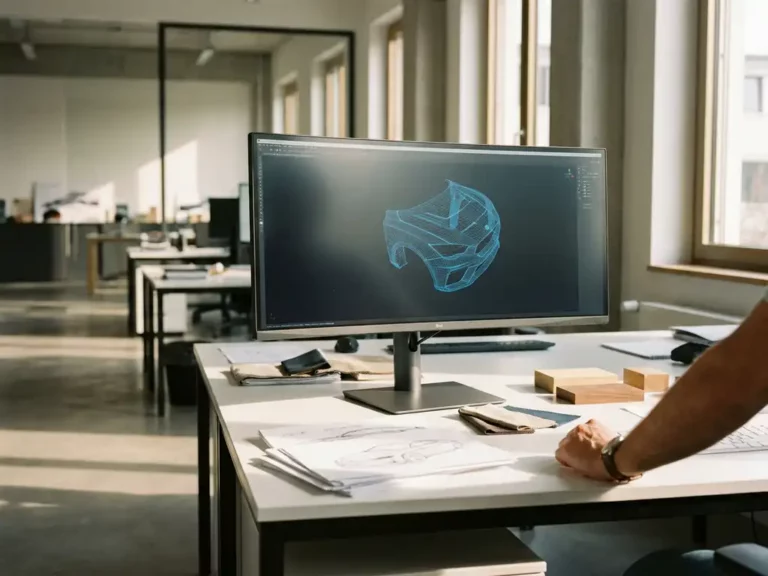
A typical product development process takes anywhere from 6 months to 3 years, depending on product complexity, industry requirements, and development approach. Simple consumer products might launch in 6-12 months, while complex industrial products or medical devices often require 18-36 months or longer.
The timeline varies significantly based on factors like regulatory requirements, technology maturity, team size, and budget constraints. Understanding these variables helps you set realistic expectations and allocate resources effectively for your product launch.
What factors determine how long product development takes?
Product complexity, regulatory requirements, team resources, and technology maturity are the primary factors that determine development duration. These elements interact to create unique timeline requirements for each project.
Product complexity affects every stage of development. A simple mobile app might require basic user interface design and straightforward coding, while a medical device needs extensive testing, regulatory approval, and safety validation. Complex products with multiple components, advanced materials, or innovative technologies naturally extend development time.
Regulatory requirements vary dramatically by industry. Consumer electronics face different approval processes than automotive components or pharmaceutical products. Medical devices require clinical trials and FDA approval, adding months or years to timelines. Understanding your industry’s regulatory landscape early helps prevent unexpected delays.
Team size and expertise directly impact speed. A dedicated team of experienced professionals works faster than a small group juggling multiple projects. Access to specialized skills, whether in-house or through partnerships, accelerates problem-solving and reduces iteration cycles.
Technology readiness significantly influences development duration. Using proven technologies allows faster progress, while cutting-edge innovations require extensive research and testing. Market availability of components, manufacturing capabilities, and supplier relationships also affect timing.
Budget constraints shape timeline decisions. Limited resources might force sequential rather than parallel development phases, extending overall duration. Conversely, adequate funding enables larger teams, better tools, and faster iteration cycles.
How long does each phase of product development take?
Research and concept development typically takes 2-6 months, design and prototyping requires 3-12 months, testing and validation needs 2-8 months, and production preparation adds another 2-6 months. These phases often overlap to optimize the total timeline.
The research phase establishes market needs, user requirements, and technical feasibility. This foundation work prevents costly changes later but requires thorough investigation. Market research, competitive analysis, and initial concept validation consume significant time upfront.
Design and prototyping represent the most variable phase. Simple products might complete initial designs in weeks, while complex systems require months of iterative development. Multiple prototype rounds, user testing feedback, and design refinements extend this phase but improve final product quality.
Testing and validation ensure products meet performance, safety, and regulatory standards. Consumer products might complete testing relatively quickly, while industrial or medical products require extensive validation protocols. Environmental testing, durability assessments, and compliance verification add substantial time.
Production preparation involves tooling design, manufacturing setup, and supply chain establishment. Simple products with standard manufacturing processes move quickly through this phase. Custom tooling, specialized materials, or complex assembly processes extend preparation time significantly.
Quality assurance runs parallel to other phases but intensifies near launch. Final testing, documentation completion, and regulatory submissions create critical path activities that cannot be rushed without compromising product integrity.
What’s the difference between simple and complex product timelines?
Simple products typically complete development in 6-18 months with straightforward design cycles, while complex products require 18-36 months or more due to advanced technology, regulatory requirements, and extensive testing phases.
Simple products benefit from proven technologies, established manufacturing processes, and minimal regulatory barriers. A basic consumer accessory might progress from concept to market in six months using standard materials and existing production capabilities. These products focus on user experience refinement rather than technological innovation.
Complex products face multiple challenges that extend timelines significantly. Medical devices require clinical trials, regulatory approval, and extensive safety validation. Automotive components need crash testing, environmental validation, and integration with existing systems. These requirements cannot be accelerated without compromising safety or compliance.
Technology maturity creates timeline differences. Products using established technologies leverage existing knowledge and proven solutions. Innovative products requiring new materials, manufacturing processes, or technical approaches need extensive research and development phases.
Testing requirements vary dramatically between simple and complex products. A mobile app might complete testing in weeks, while an aircraft component requires years of validation under various conditions. Safety-critical applications demand exhaustive testing that cannot be compressed.
Supply chain complexity affects timelines differently. Simple products often use standard components with multiple suppliers, enabling faster procurement. Complex products might require custom components, specialized materials, or single-source suppliers, creating potential bottlenecks.
How can you speed up the product development process?
Parallel development phases, experienced teams, proven technologies, and early stakeholder involvement can reduce development time by 20-40% without compromising quality. Strategic planning and optimized resource allocation create the biggest time savings.
Running development phases concurrently rather than sequentially accelerates timelines significantly. While designers refine concepts, engineers can begin technical feasibility studies. Manufacturing teams can start tooling design before final specifications are complete. This approach requires careful coordination but reduces overall duration.
Investing in experienced teams pays dividends in speed and quality. Senior designers and engineers make fewer mistakes, require less supervision, and solve problems faster. Their expertise prevents costly redesigns and reduces iteration cycles throughout development.
Choosing proven technologies over cutting-edge innovations reduces risk and development time. While innovation drives competitive advantage, using established solutions for non-critical components accelerates progress. Save innovation efforts for features that truly differentiate your product.
Early stakeholder involvement prevents late-stage changes that derail timelines. Regular reviews with key customers, regulatory bodies, and manufacturing partners identify issues before they become expensive problems. This front-loaded communication investment saves time throughout development.
Rapid prototyping and digital simulation tools accelerate design validation. 3D printing, virtual testing, and computer modeling reduce physical prototype cycles. These technologies enable faster iteration and earlier problem identification.
Clear project management and communication protocols prevent delays from misunderstandings or scope creep. Well-defined milestones, regular status updates, and clear decision-making authority keep projects moving efficiently.
When should you expect delays in product development?
Expect potential delays during regulatory approval phases, initial prototype testing, supply chain disruptions, and when integrating new technologies. Most projects experience 10-30% timeline extensions from original estimates due to unforeseen challenges.
Regulatory approval processes create unpredictable delays, especially for medical devices, automotive components, or consumer safety products. Government agencies operate on their own timelines, and approval requirements can change during review processes. Building buffer time for regulatory phases prevents schedule disruption.
First prototype testing often reveals unexpected issues requiring design changes. Materials might not perform as expected, manufacturing processes might prove difficult, or user testing might identify usability problems. These discoveries necessitate additional design cycles and extended timelines.
Supply chain disruptions affect component availability, material costs, and manufacturing schedules. Global events, supplier capacity constraints, or quality issues can force design changes or alternative sourcing strategies. Diversified supplier relationships and flexible designs mitigate these risks.
Technology integration challenges emerge when combining multiple systems or implementing new solutions. Software compatibility issues, hardware integration problems, or performance optimization needs often require additional development time. Complex products with multiple technologies face higher delay risks.
Market changes during development might force scope adjustments or feature additions. Competitive products, customer feedback, or industry trends can necessitate design modifications. While staying responsive to market needs is important, frequent changes extend development timelines.
Team changes, budget constraints, or organizational priorities can disrupt project momentum. Key personnel departures, funding reductions, or strategic shifts create delays that extend beyond technical challenges. Strong project management and organizational commitment help minimize these disruptions.
How code2design helps with product development timelines
We accelerate product development through our systematic 7-stage innovation process and 25 years of design expertise. Our holistic 360° approach combines deep user insights with technical knowledge to streamline development and reduce costly iterations.
Our proven methodology delivers faster results through:
- Structured innovation workshops that rapidly identify opportunities and define clear project scope
- An experienced interdisciplinary team that prevents common pitfalls and accelerates decision-making
- Strategic market analysis that ensures product-market fit from the start, reducing redesign cycles
- A prototype-driven development approach that validates concepts early and minimizes late-stage changes
- Strong industry partnerships and supplier relationships that streamline production preparation
Ready to optimize your product development timeline? Explore our innovation management services and discover how our systematic approach can accelerate your next product launch while maintaining the quality and market impact your brand deserves.