We design products that make brand identity tangible and position companies for lasting success in the market. With over 75 international design awards, our product design stands for innovation, outstanding user experience, and strategic market impact.
Our holistic 360° design approach combines deep user insight and market knowledge with technical expertise to create products with character and strong recognition value. This results in products that not only deliver functional excellence but also tell compelling stories and captivate people.
Design that inspires people, strengthens brands, and creates lasting value – for more than 25 years.
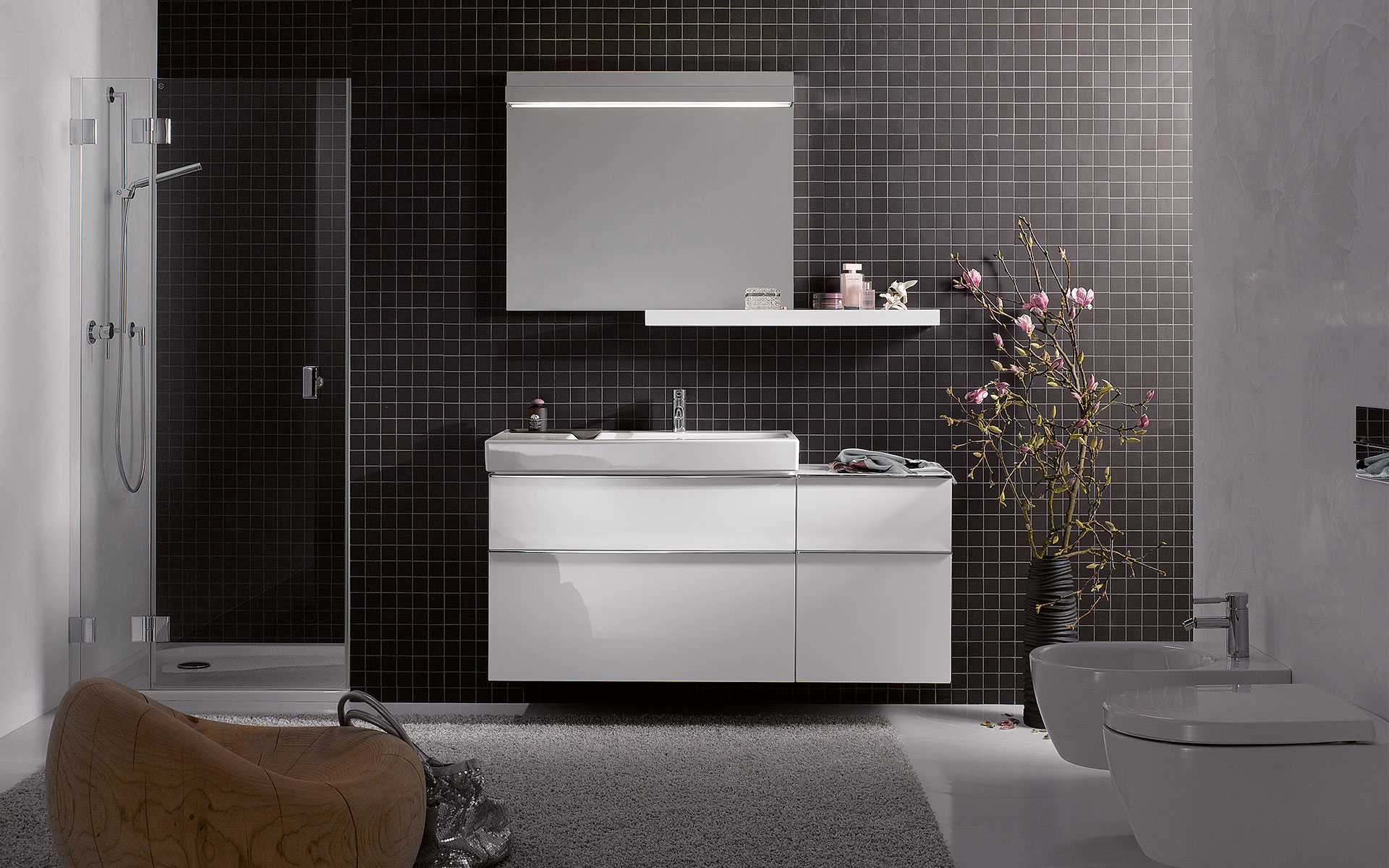
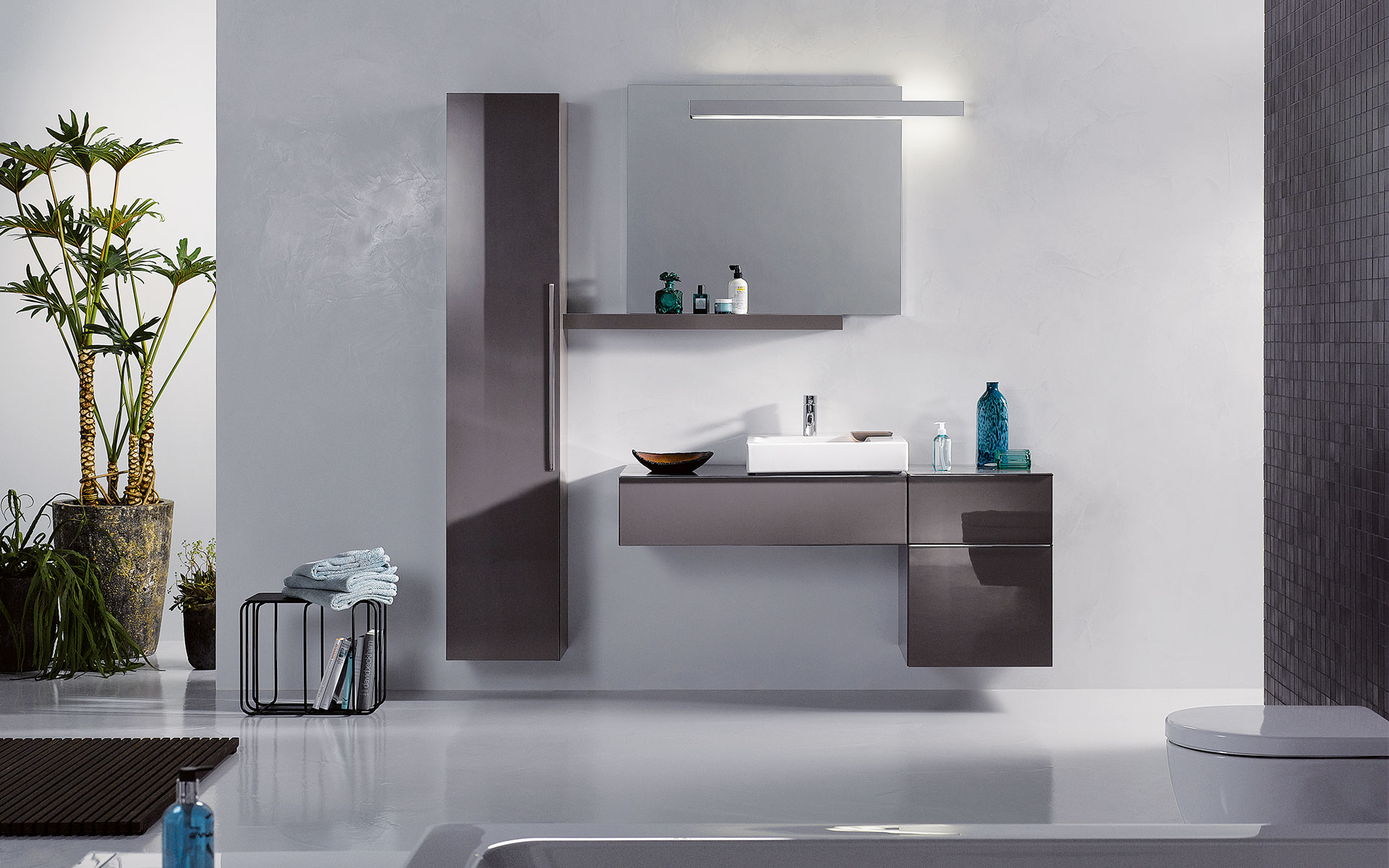
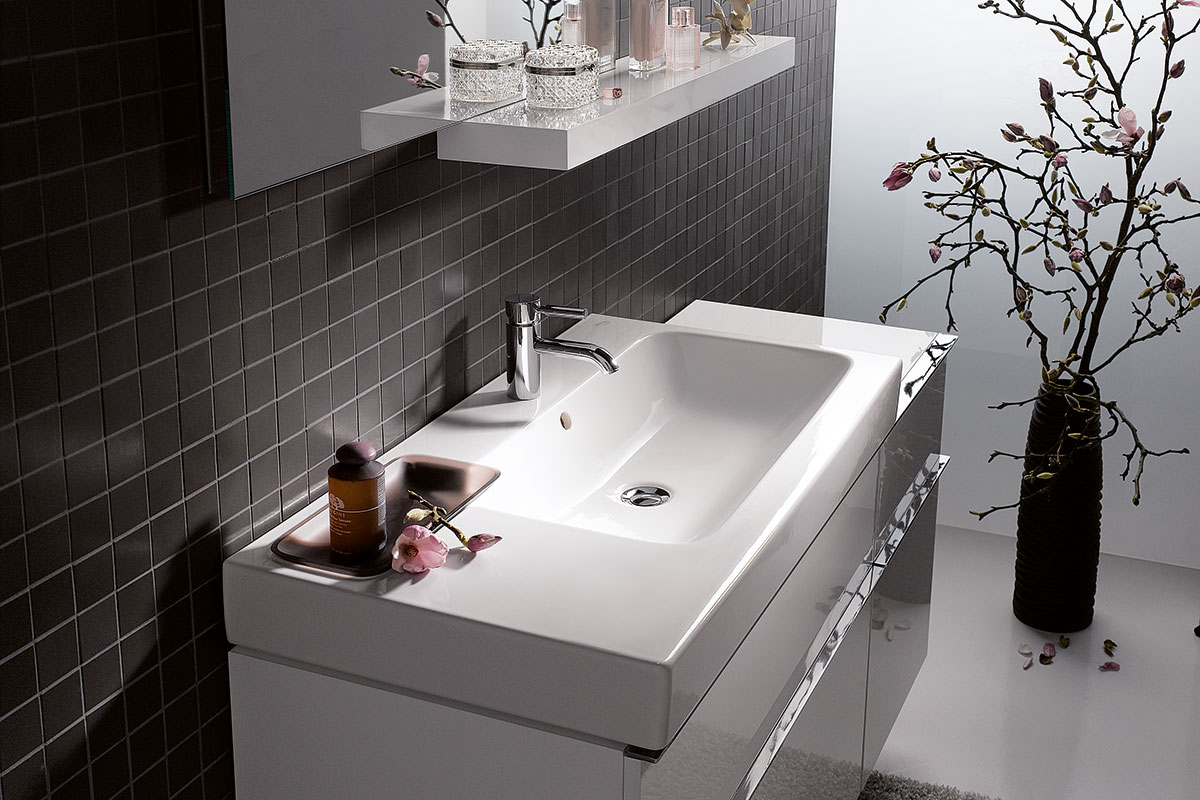
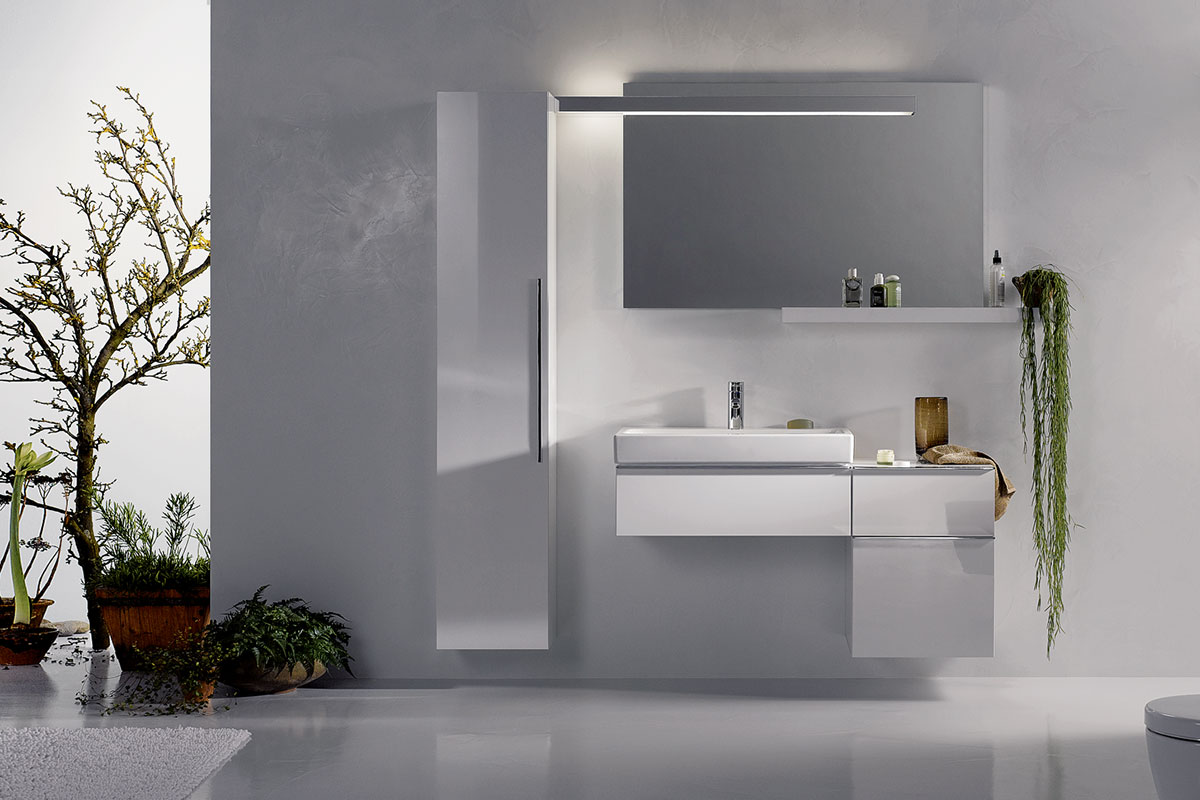
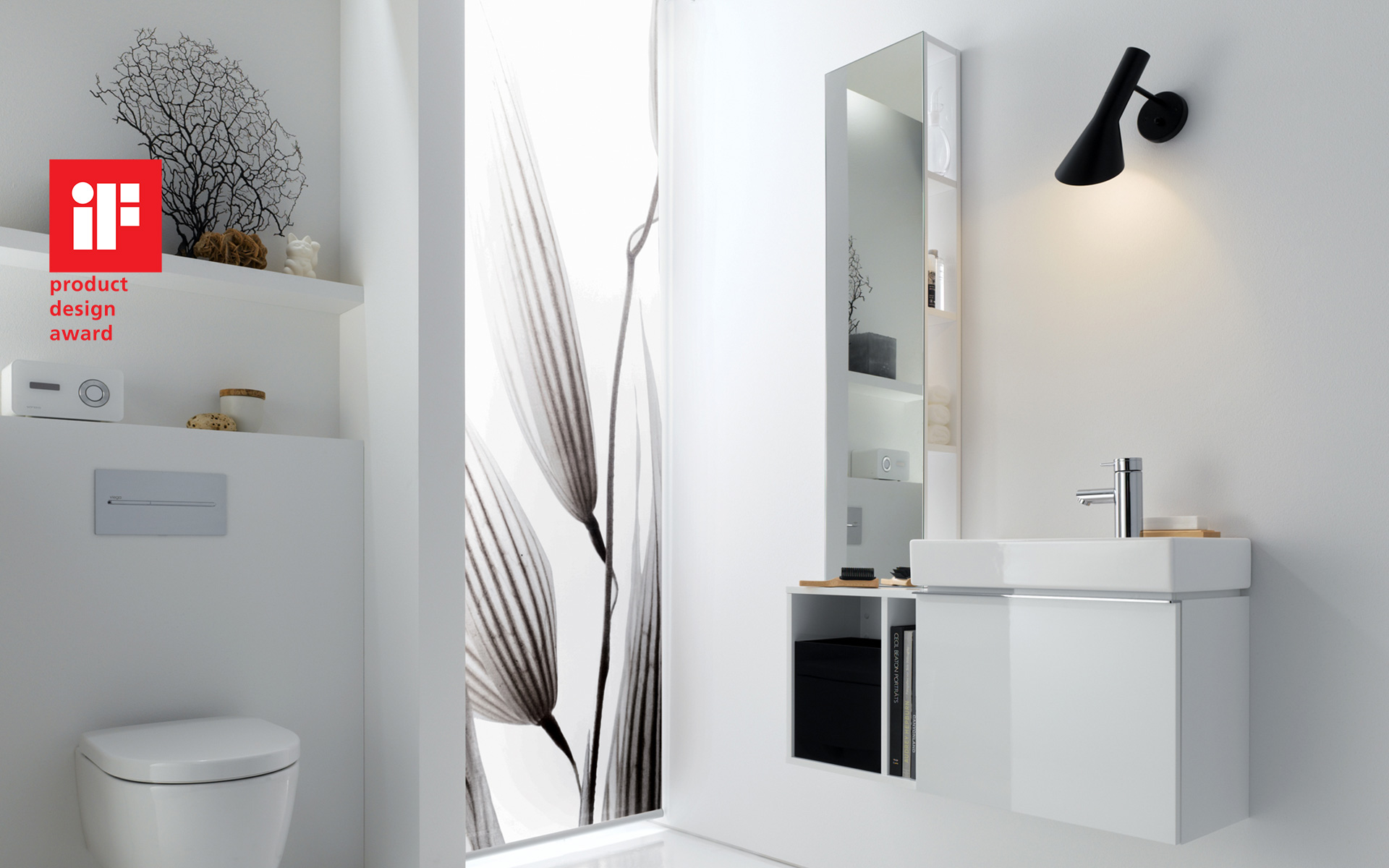
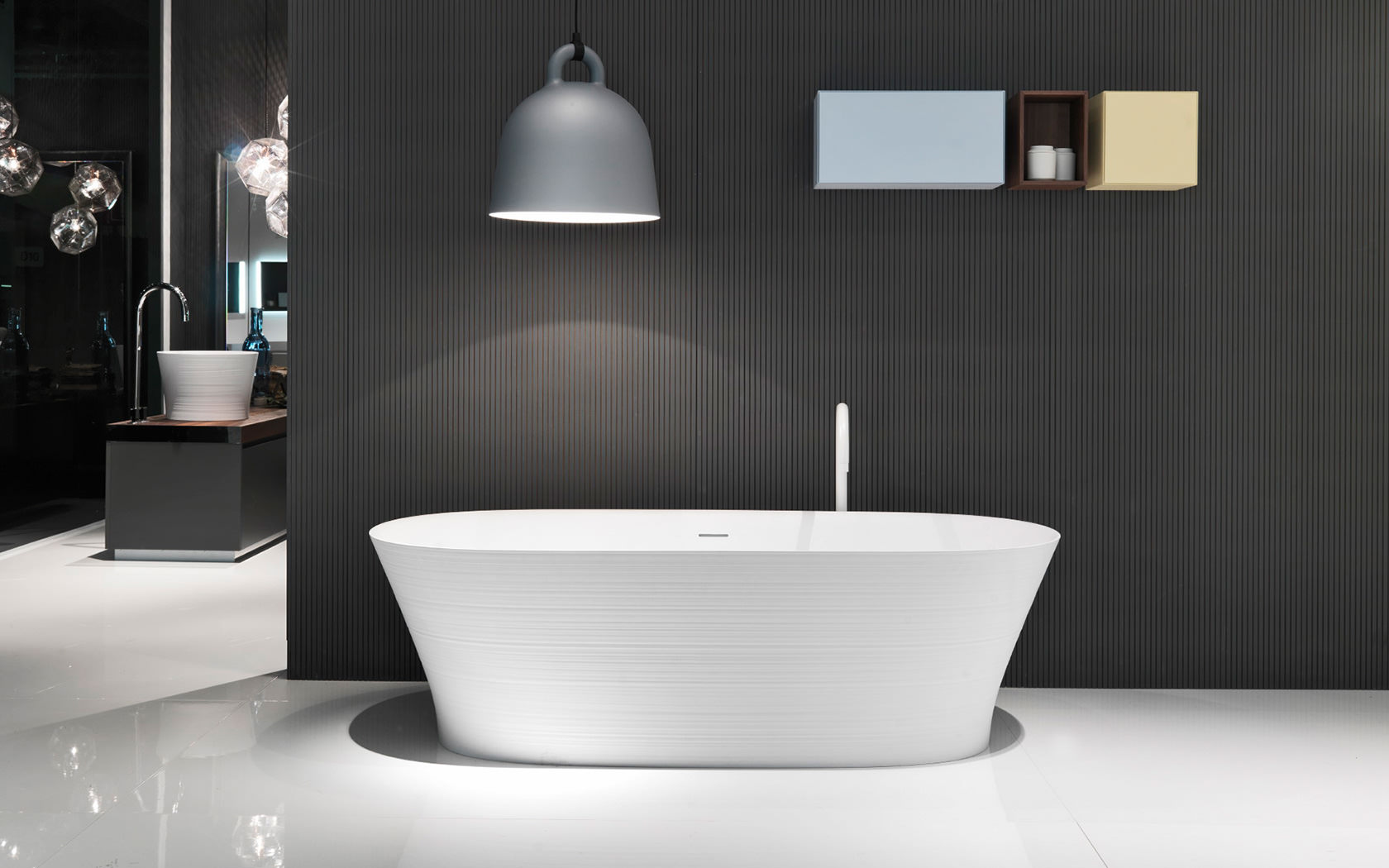
For 15 years, the iCon bathroom series has been setting new standards in bathroom design. It represents a well-thought-out, timelessly modern design that takes the room itself as the starting point for creation. Versatility and individuality define the concept, allowing it to adapt to various spatial concepts and personal style preferences.
Timelessly Modern Design That Inspires
Michael Schmidt from code2design created the iCon bathroom series with the vision of offering diverse design possibilities for individual and functional bathrooms. “The design challenge in 2010 was both demanding and exciting: to develop a popular bathroom series with rectangular washbasins for the mid-range segment. Our central idea was to create a balanced collection that would enable a homely and personalized bathroom setup. We firmly believe that design should inspire people to find their unique interior style.”
Comfort, Versatility, and Individuality in the Bathroom
Zentraler Gedanke bei der Entwicklung von iCon war deshalb die Vielseitigkeit und Individualität in Bezug auf die Anordnung der Waschtisch- und Möbelelemente im Raum. So wurde iCon – mit einem ganzheitlichen Gestaltungsansatz – konsequent vom Raum hin zum Produkt entwickelt. Endstanden ist ein ungewöhnlich vielseitiges Badprogramm mit einer Vielzahl von Waschtischen sowie einem modularen Möbelprogramm, mit einer Vielzahl an Dekoren und lackierten Oberflächen. Damals ein Novum in diesem Preissegment. Eine Badezimmerkollektion, die die eigene Persönlichkeit widerspiegelt und sich flexibel an verschiedene Bedürfnisse anpassen lässt.
Guest Bathroom Series IconXS – Efficiency in a Compact Form
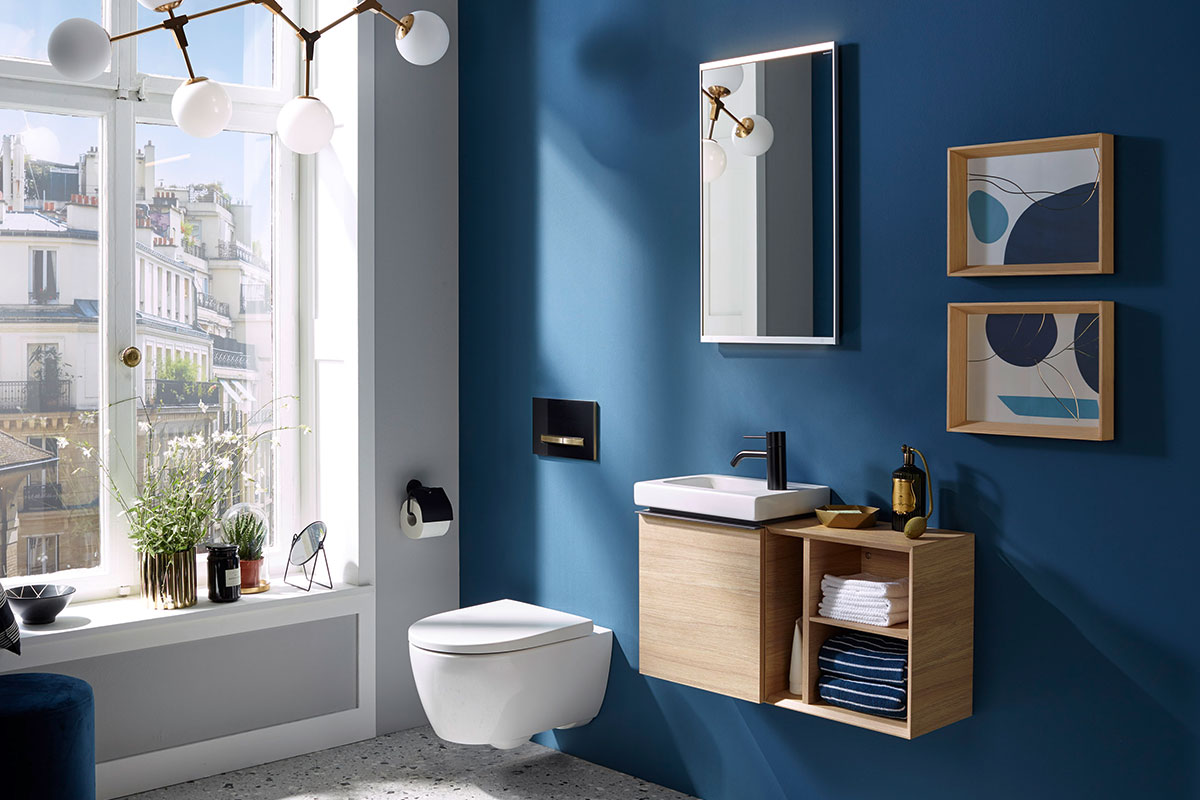
The concept is carried forward seamlessly with the guest bathroom series IconXS. With reduced dimensions, a clear design language, and efficient space utilization, it enables high-quality bathroom design even in the smallest of spaces. The series offers versatile wash area solutions that create a harmonious atmosphere even in compact layouts.
iCon by Geberit stands for a balance of clarity, versatility, and timeless aesthetics – a bestseller for 15 years.
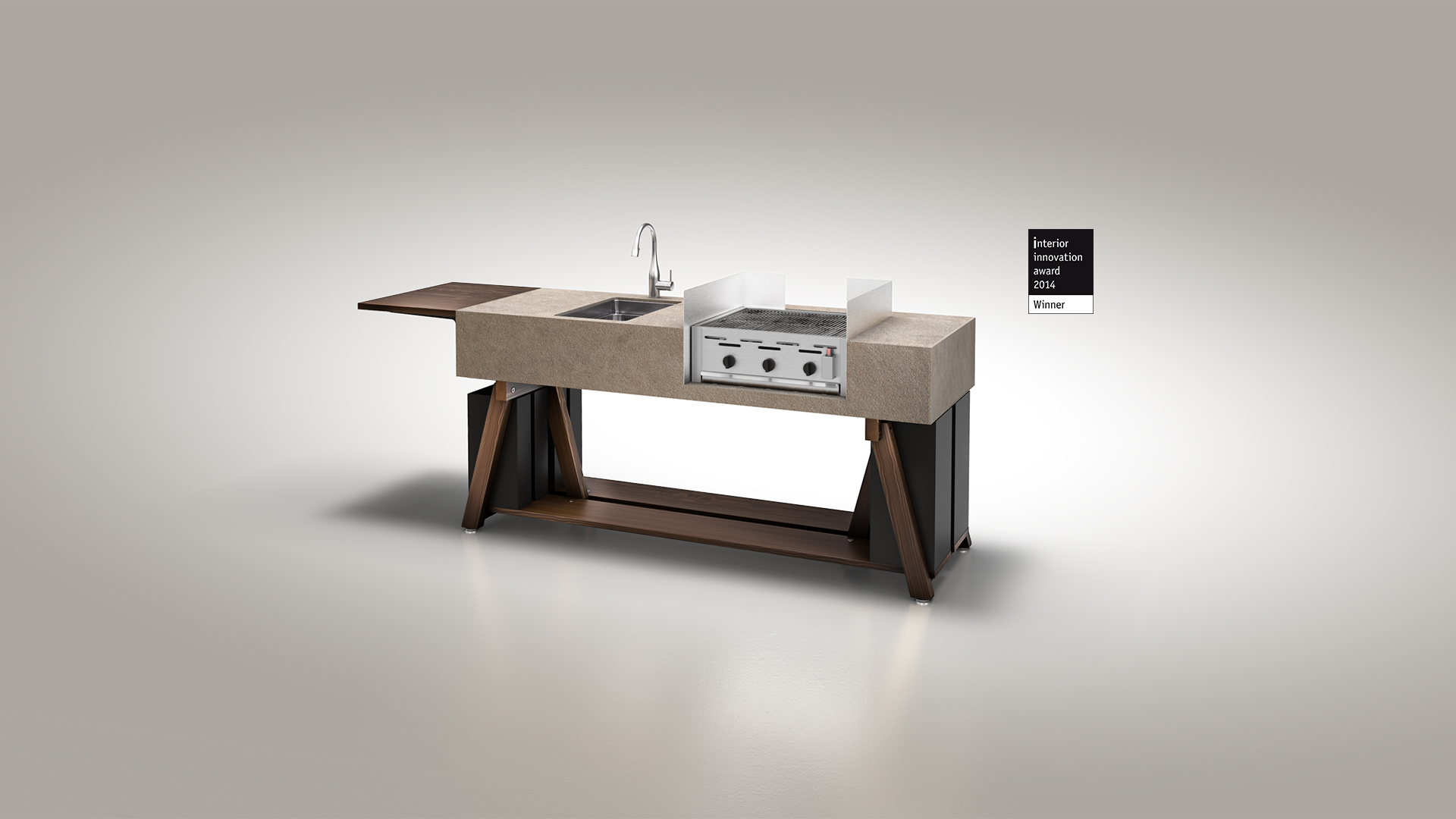
More than 15 years ago, we at code2design sensed that the themes of Outdoor Living and Outdoor Cooking would evolve into significant design fields in the future. The early recognition of this trend – coupled with the ability to respond to it and develop innovative designs – has undoubtedly contributed to the success of the BBQube collection as well as the OCQ brand.
In January 2013, the BBQube ONE was presented for the first time at the IMM trade fair in Cologne; there, we encountered the small label OCQ, which subsequently added the BBQube to its portfolio. This initial outdoor kitchen design was honored with the Interior Innovation Award just the following year.
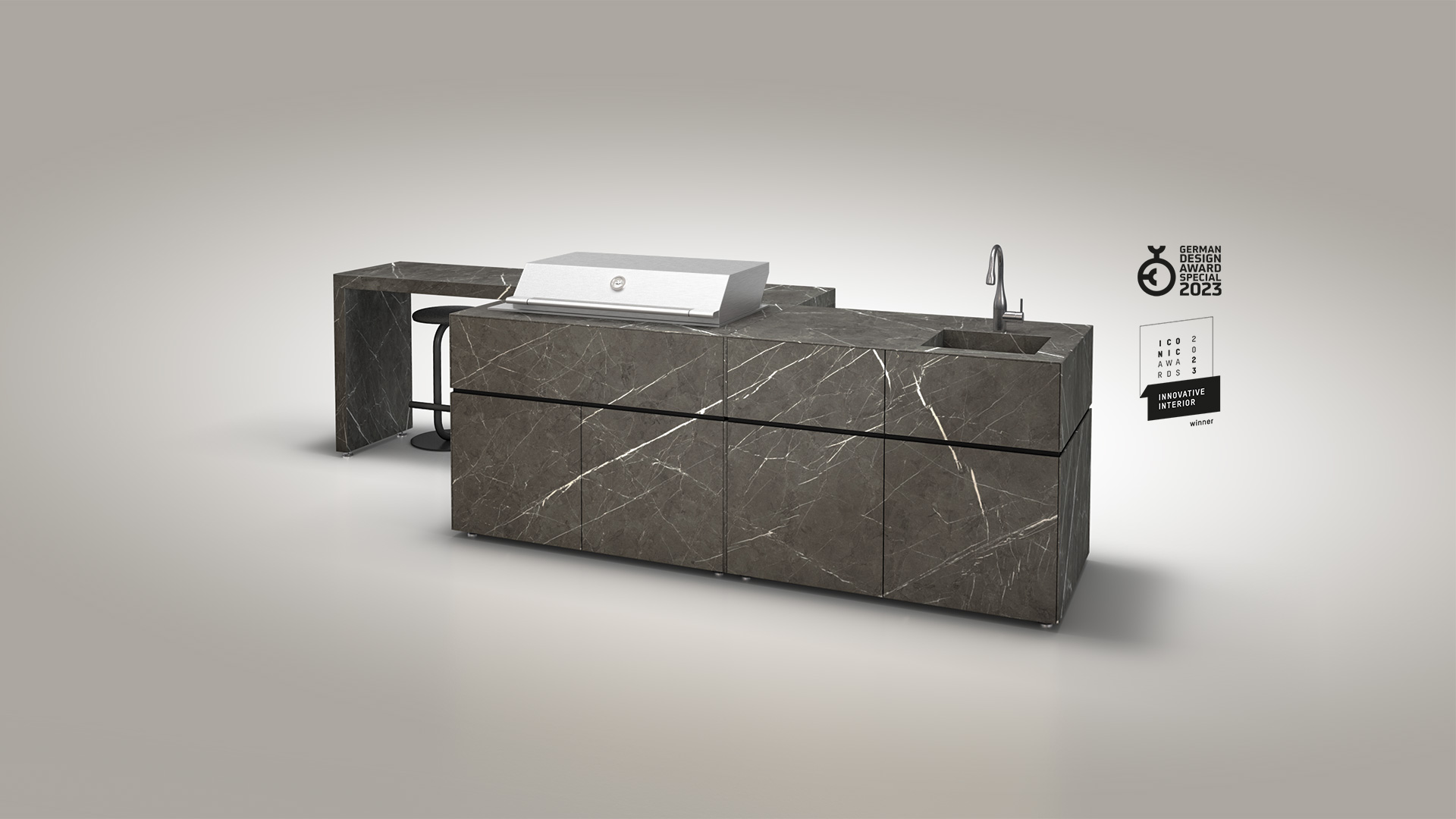
Over the past fifteen years, the outdoor segment has steadily grown in importance and is now the fastest-growing product segment in the furniture industry. Meanwhile, the BBQube collection at OCQ has been expanded with three more series: BBQubeX, BBQubePro and BBQubeTWO, complementing the iconic BBQubeONE.
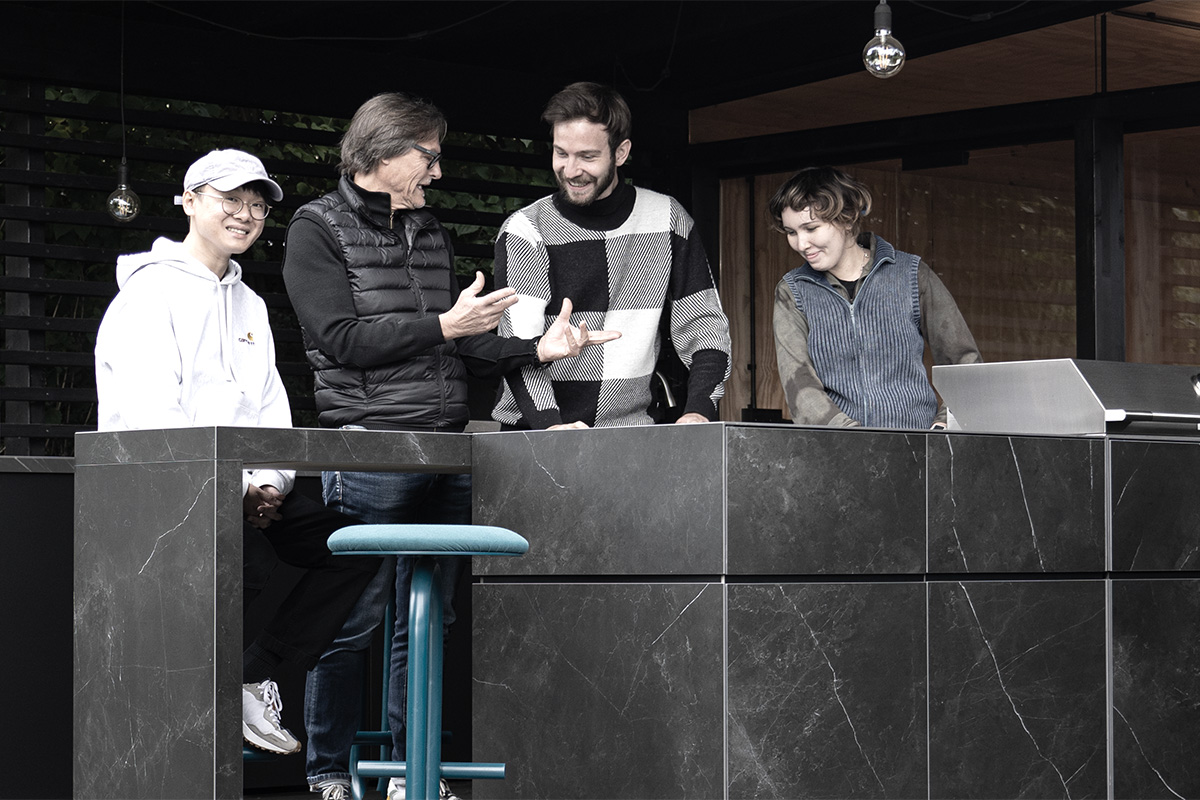
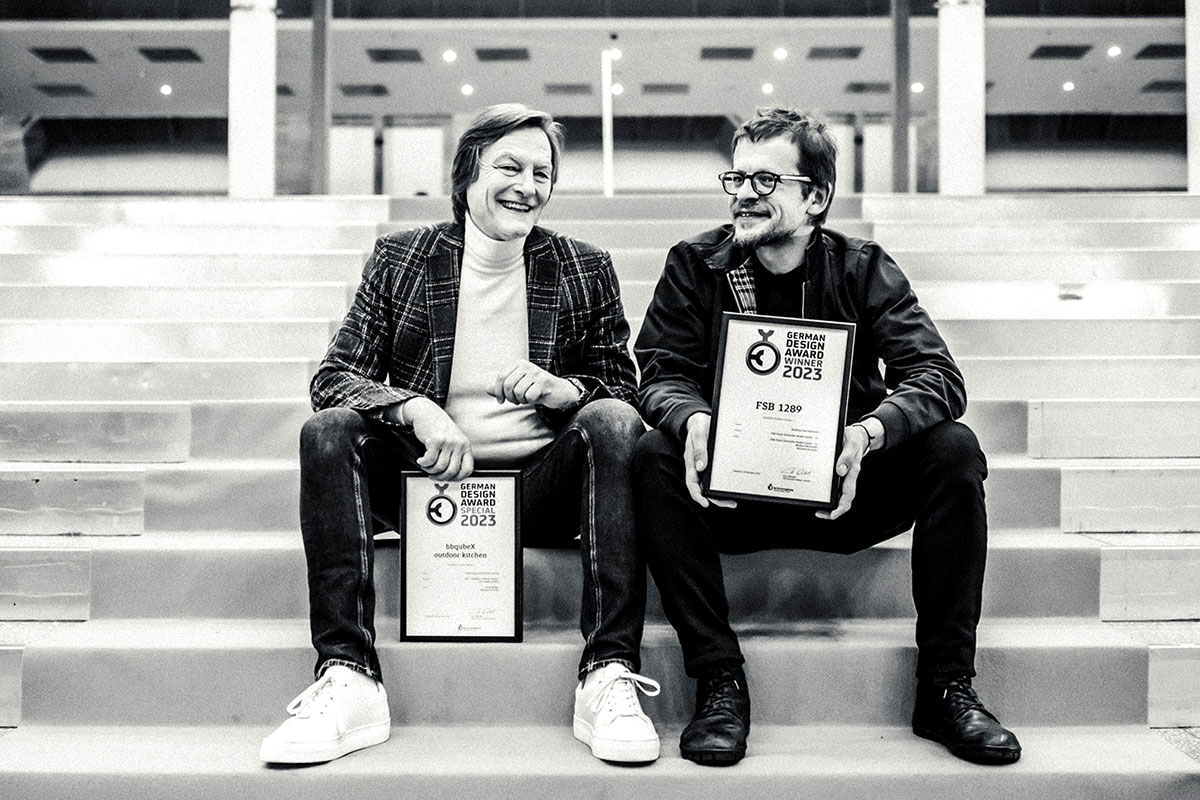
The new BBQubeX is as unique as it is innovative: the Premium-Line is weather resistant & recyclable due to its 6mm thick Ceramic Decor panels and a patented body structure with intelligent ventilation (AWP Design), similar to a facade cladding. Recently awarded with the German Design Award Special Mention 2023 and the ICONIC Interior Award!
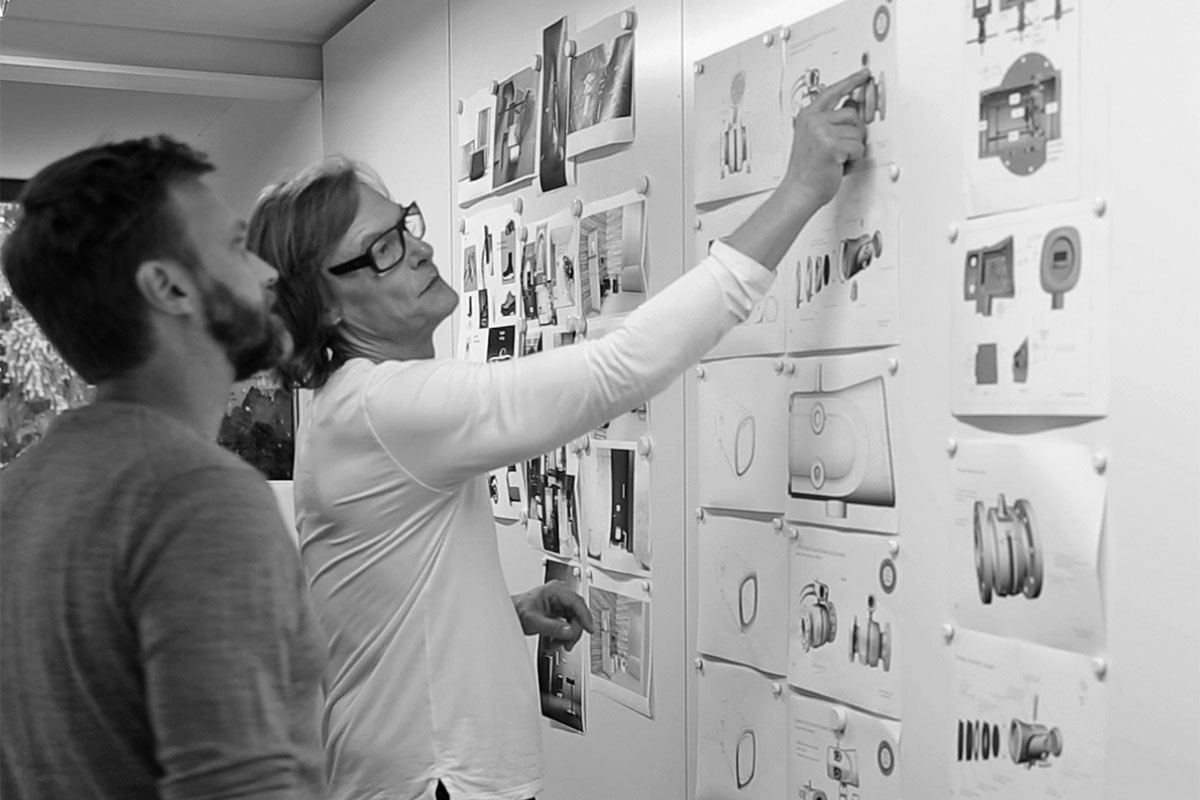
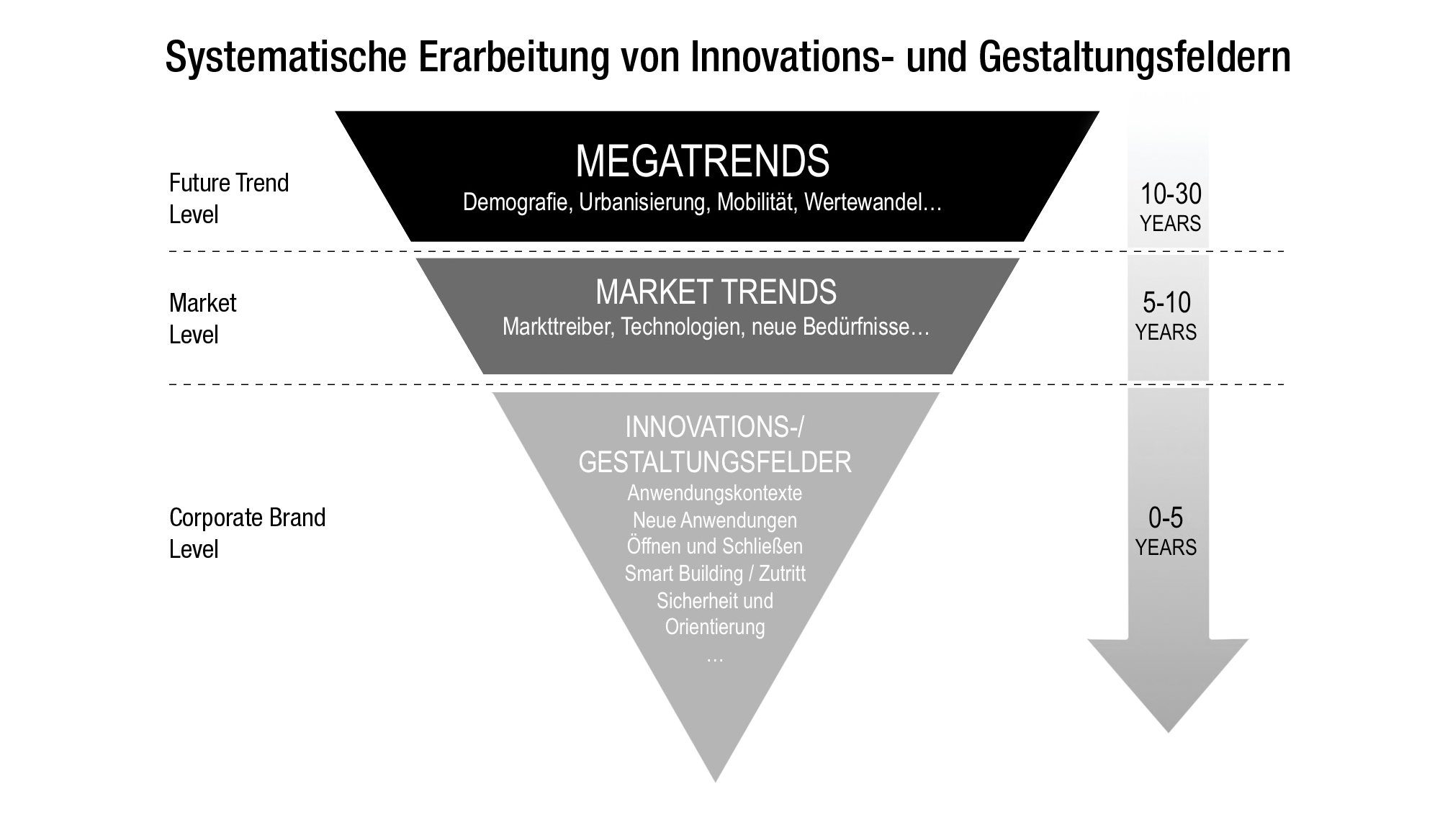
In our experience, a systematic, holistic and user-centered innovation and design process is the key to success in the product development cycle, resulting in the creation of innovative products for a company and establishing sustainable product and market leadership for a brand. In our process of 7 steps, questions are asked that are directed towards the future and thus identify so-called innovation fields. When these fields of innovation are illuminated through the eyes of the target groups, we find the product ideas that the market really needs.
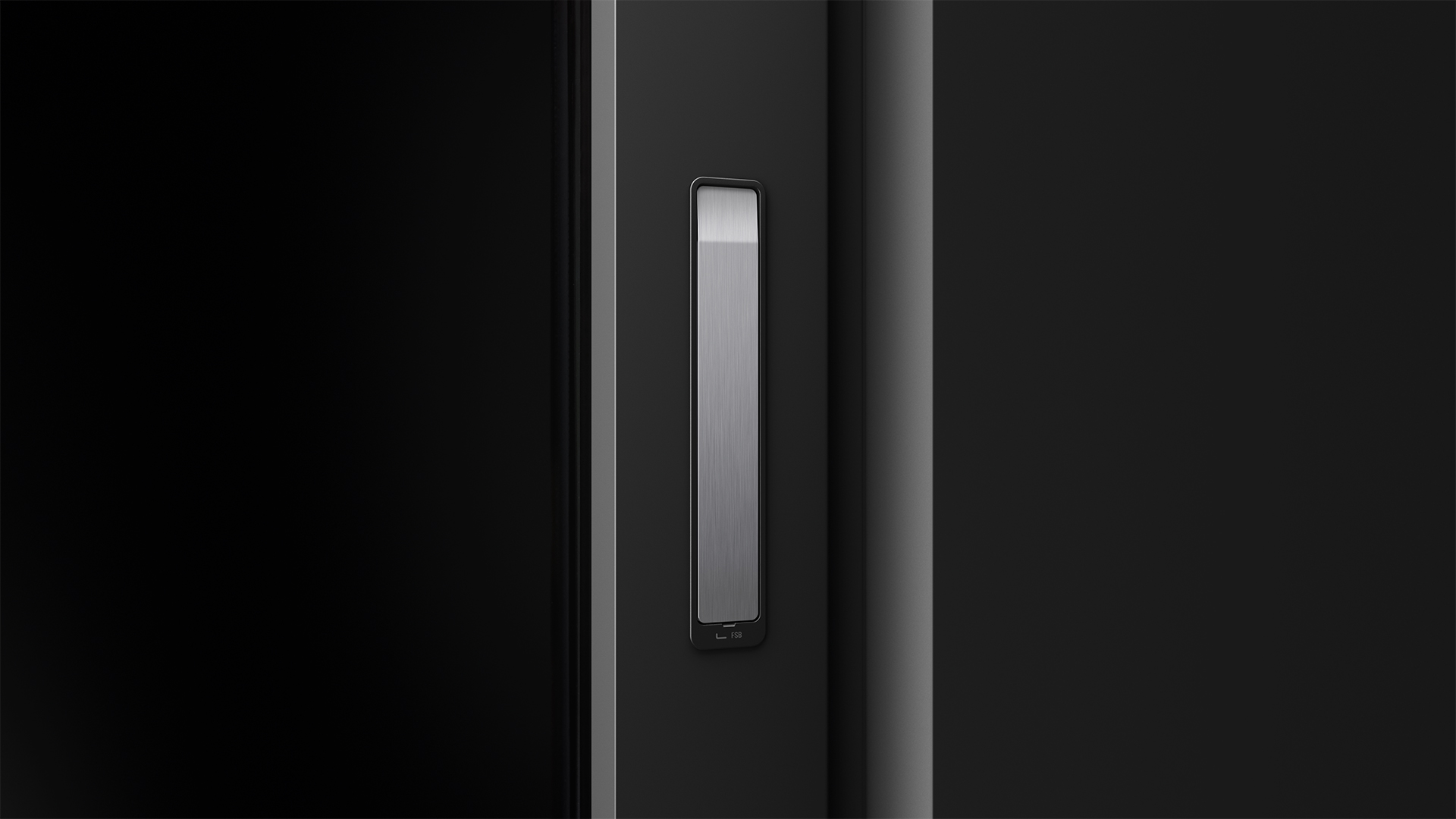
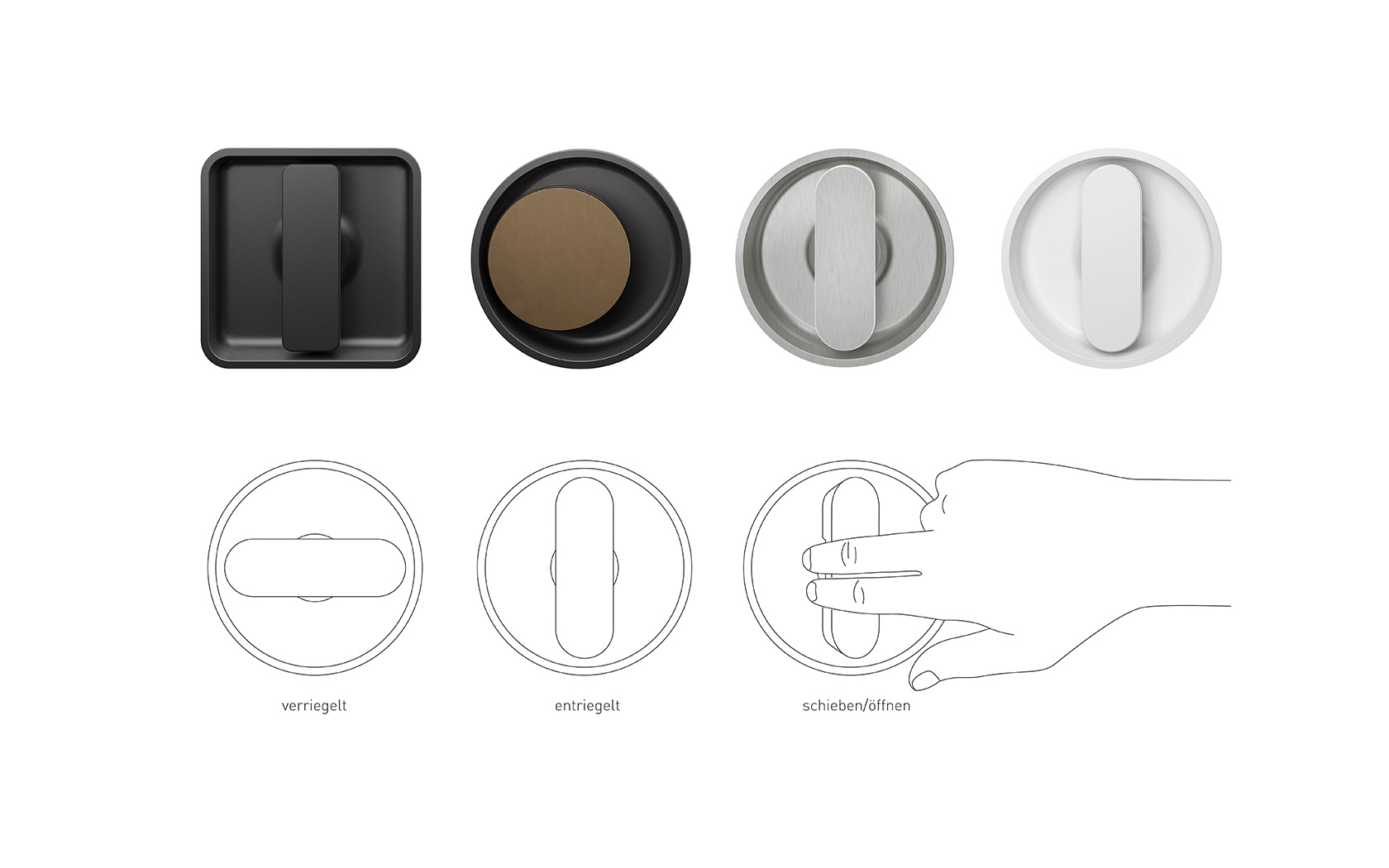
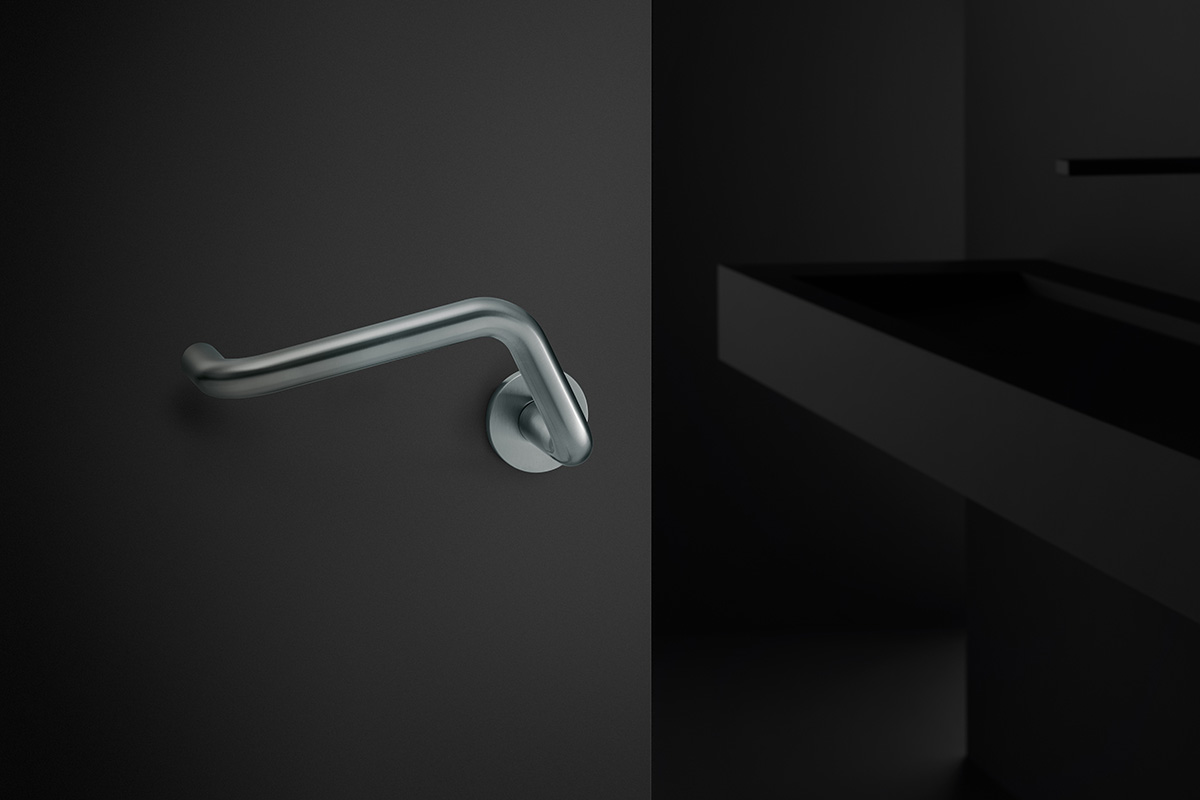
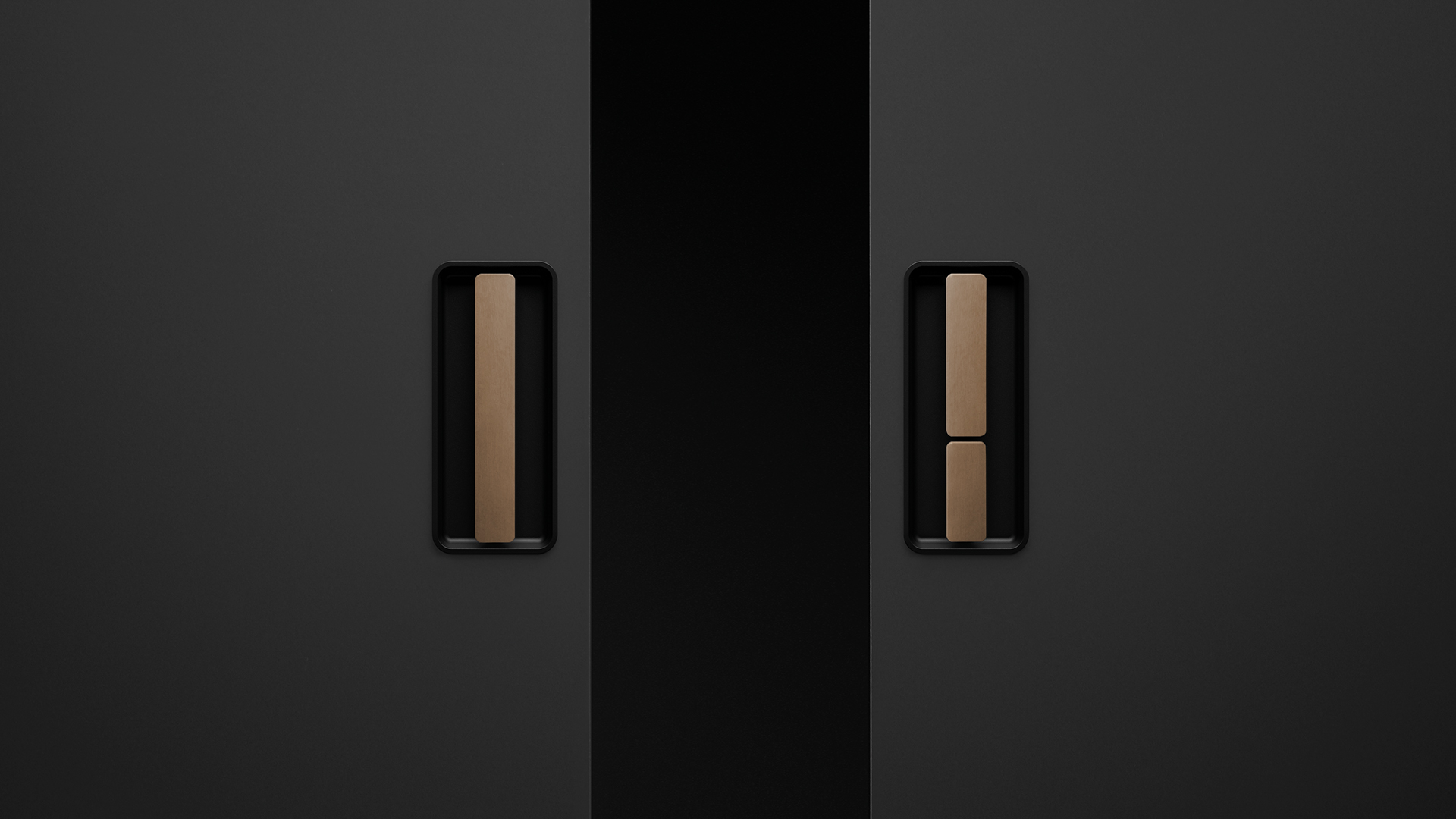
The products shown from Franz Schneider Brakel – or FSB for short – are a clear example of how Michael Schmidt, together with a team from FSB, leveraged this process to create the first product innovations.
It takes an agile, interdisciplinary team of individuals not only to create visions and ideas for new products or services, but also to drive them to series production. The FSB innovation team incorporates experts from all of the disciplines that are required for product creation – from design, marketing and product management, right up to development and sales.
FSB CEO Jochen Bauer (from 2016 – 2022) says: “The innovation workshops with Michael Schmidt have significantly broadened my and our perspective on innovation, product development and design. The structured approach enabled FSB not only to identify market and brand-relevant areas of innovation, but also to critically analyze the existing range of services.
He continues: “The results from the workshops were extremely enriching and created enormous added value for our company. The structured and systematic approach has helped to ensure that innovative ideas are not just seen as random ideas, but as the result of a clear, learnable process. Furthermore, I am convinced that these innovation workshops will change the innovation culture at FSB in the long term.”
Please feel free to request an individual appointment for further explanation of our methodology including details of all relevant process stages.
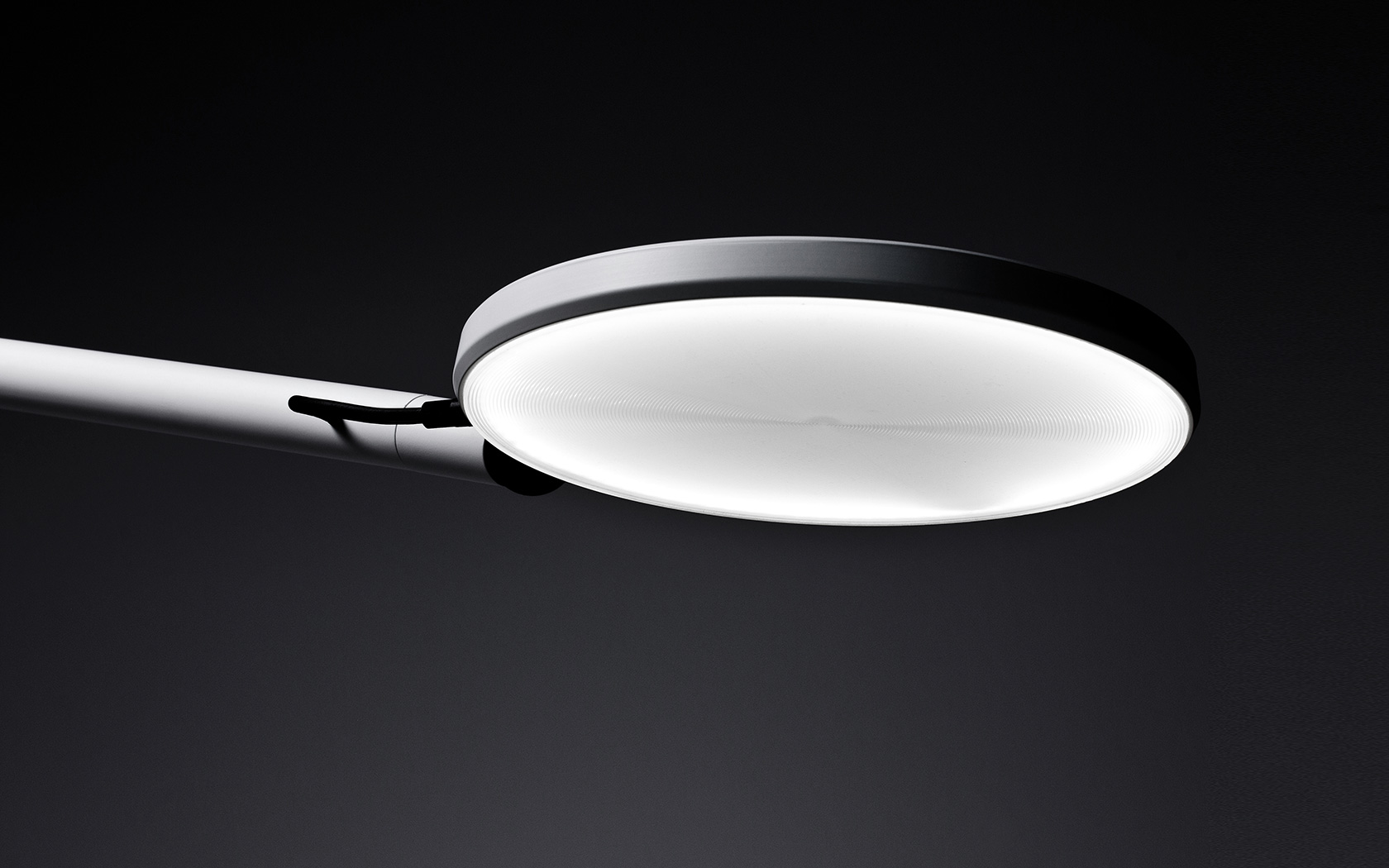
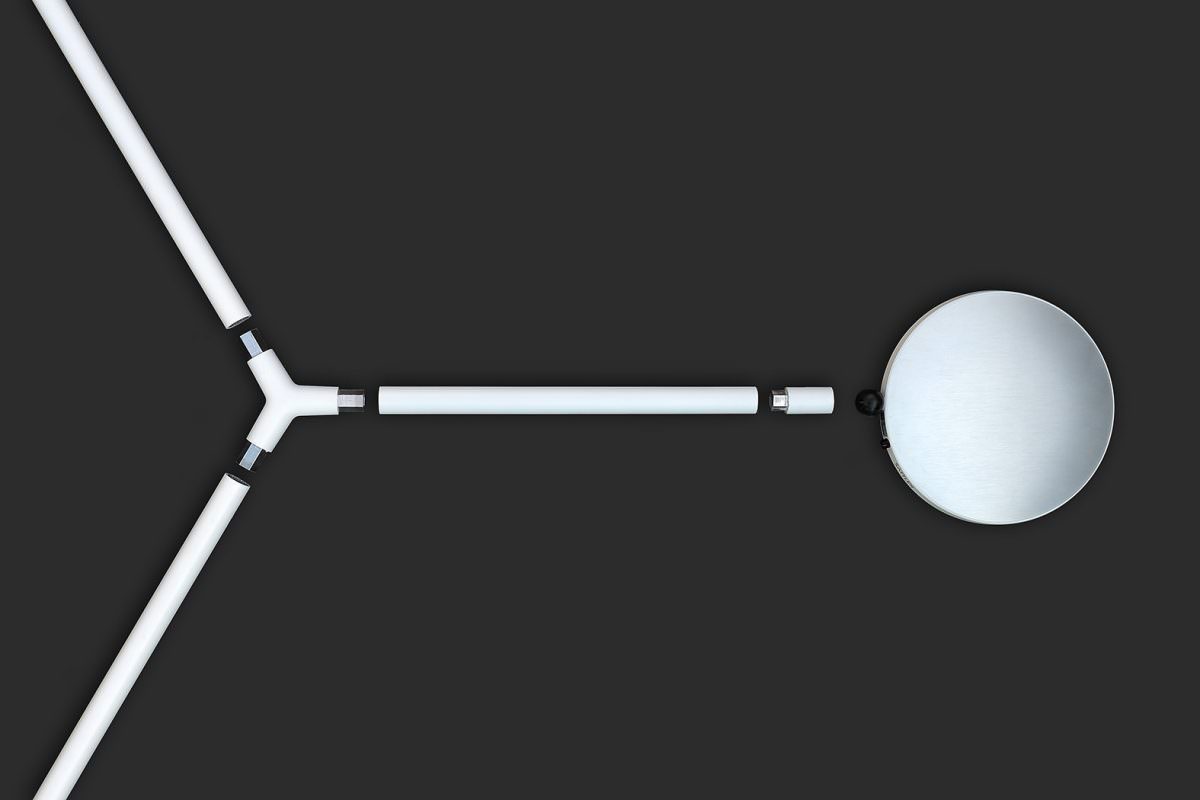
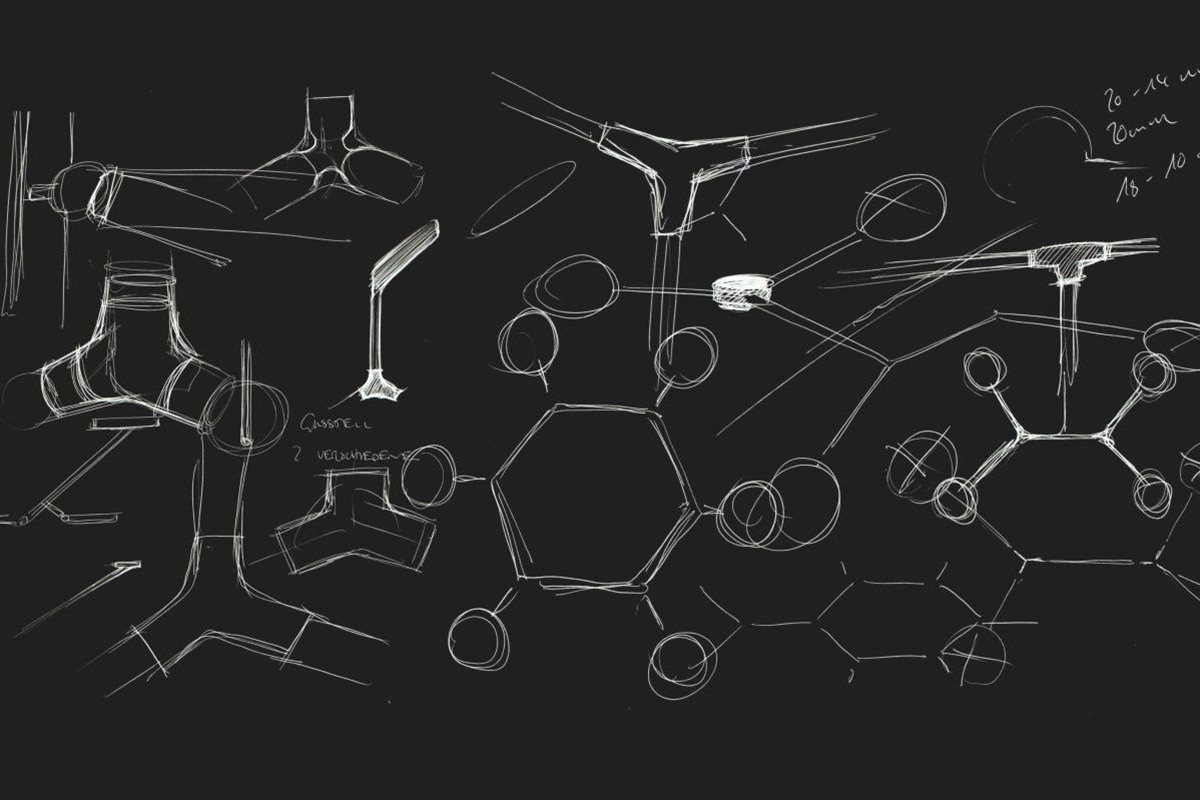
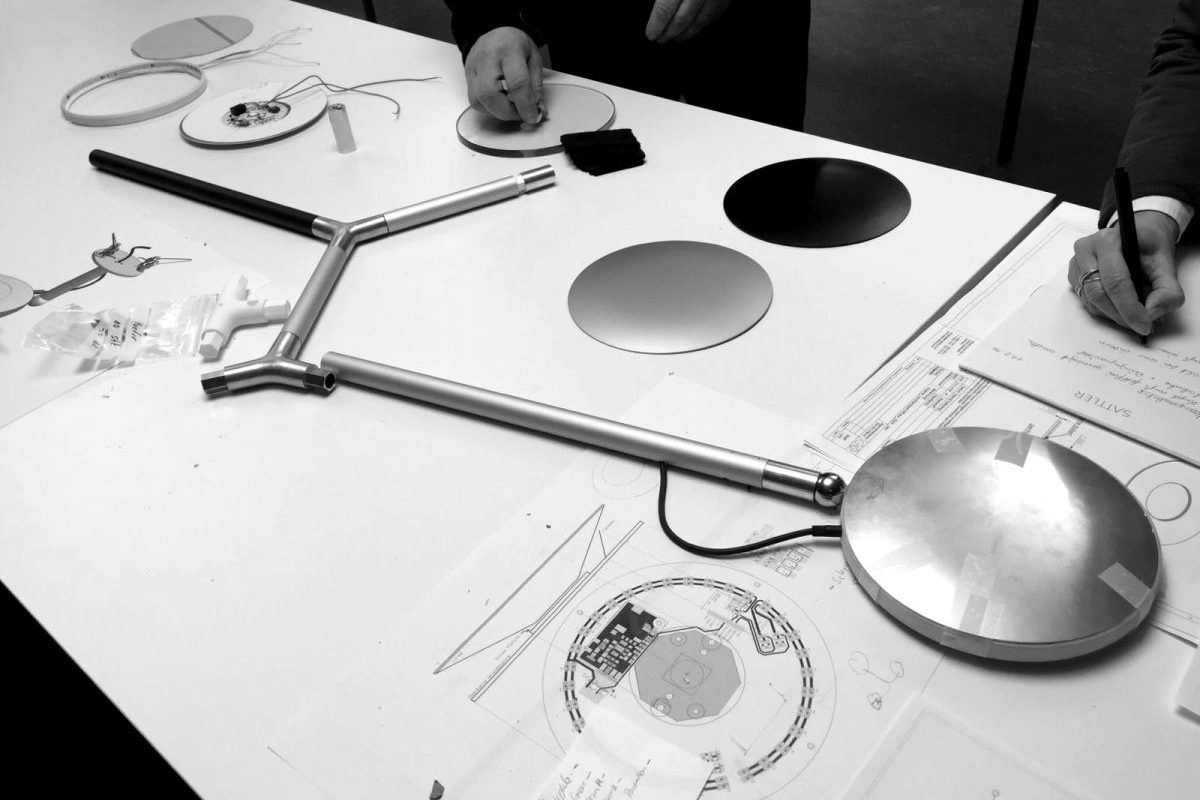
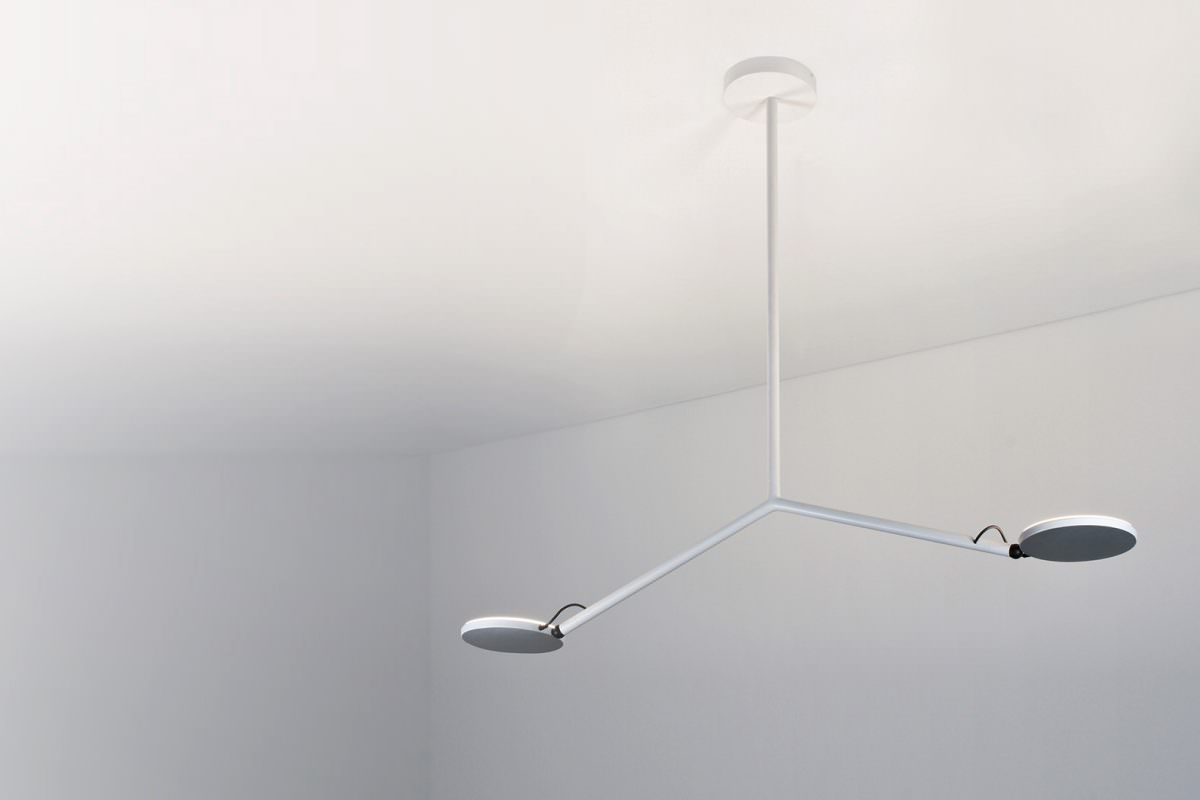
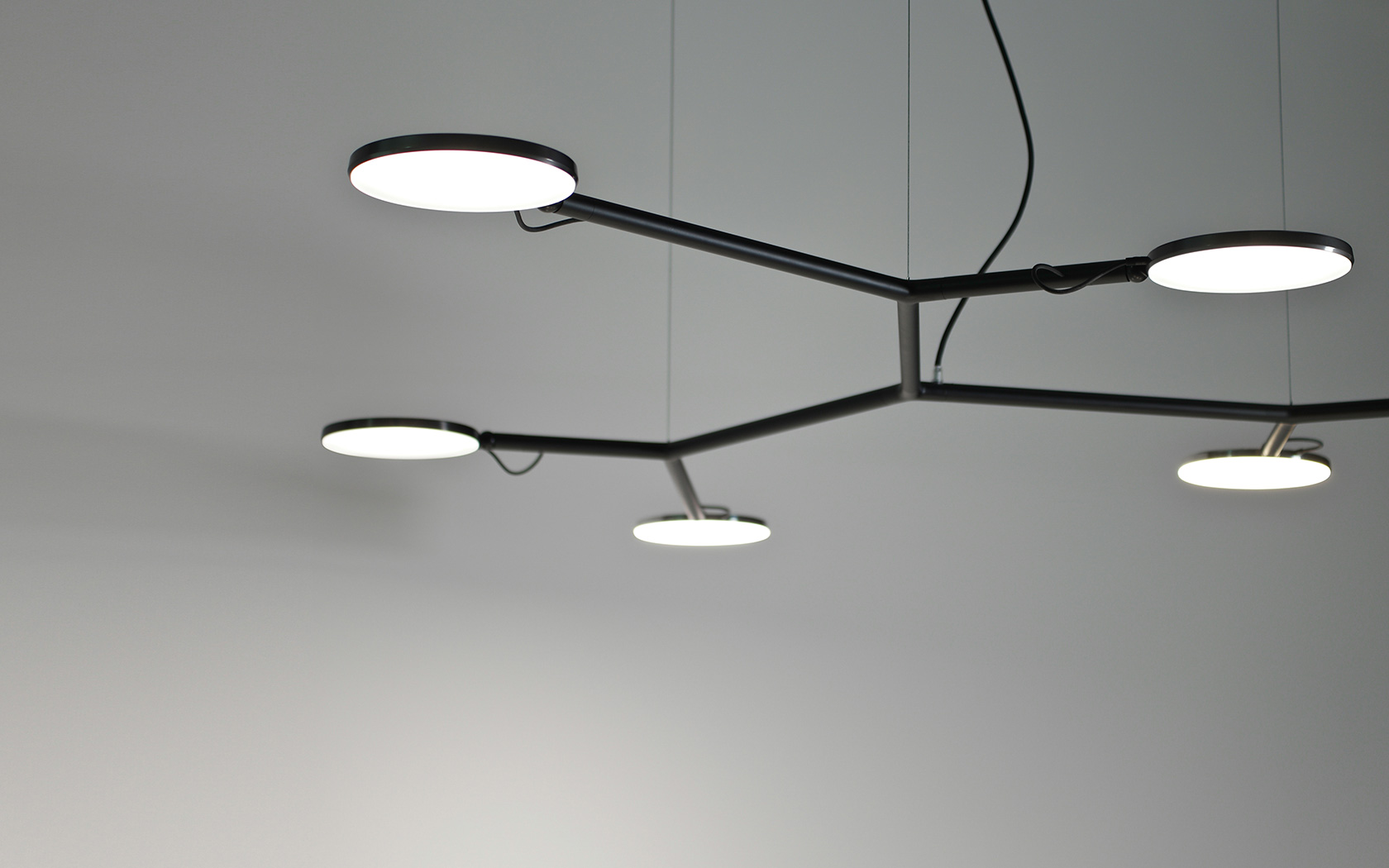
The briefing was short and concise: “To design an integrated SATTLER luminaire series from just a few basic components that would inspire a wide variety of users”. The result is a modular system that can be designed from individual luminaires to branched, biomorphic structures. The core elements of AVVENI are the extremely light and flat luminaire head and the magnetic ball connector, which is based on a human shoulder joint.
Avveni wurde von Anfang an konsequent als modulares System konzipiert – hinsichtlich der Beleuchtungstechnik ebenso wie mit Blick auf die modulare räumliche Erweiterbarkeit. Ulrich Sattler, kreativer Kopf und Inhaber von SATTLER, sagt über die Zusammenarbeit mit C2D: „Michael Schmidt und sein Team haben die Philosophie des Unternehmens sofort erfasst und denken in jedem Entwicklungsstadium voll und ganz im Sinn von Sattler!“
“Avveni should be a Sattler product through and through: innovative, clear, scalable, technical. But that also includes the design of high-quality surfaces, precise, formal surfaces and transitions. The attention to detail must be expressed in every aspect of the product.” (Quote: Michael Schmidt)
Goldcard/Tancy is one of the world’s leading gas flow measurement companies and the industry leader in China. Particularly noteworthy is the high level of user-friendliness of the devices thanks to IoT, for example through the transmission of real-time data for services and applications relating to gas measurement.
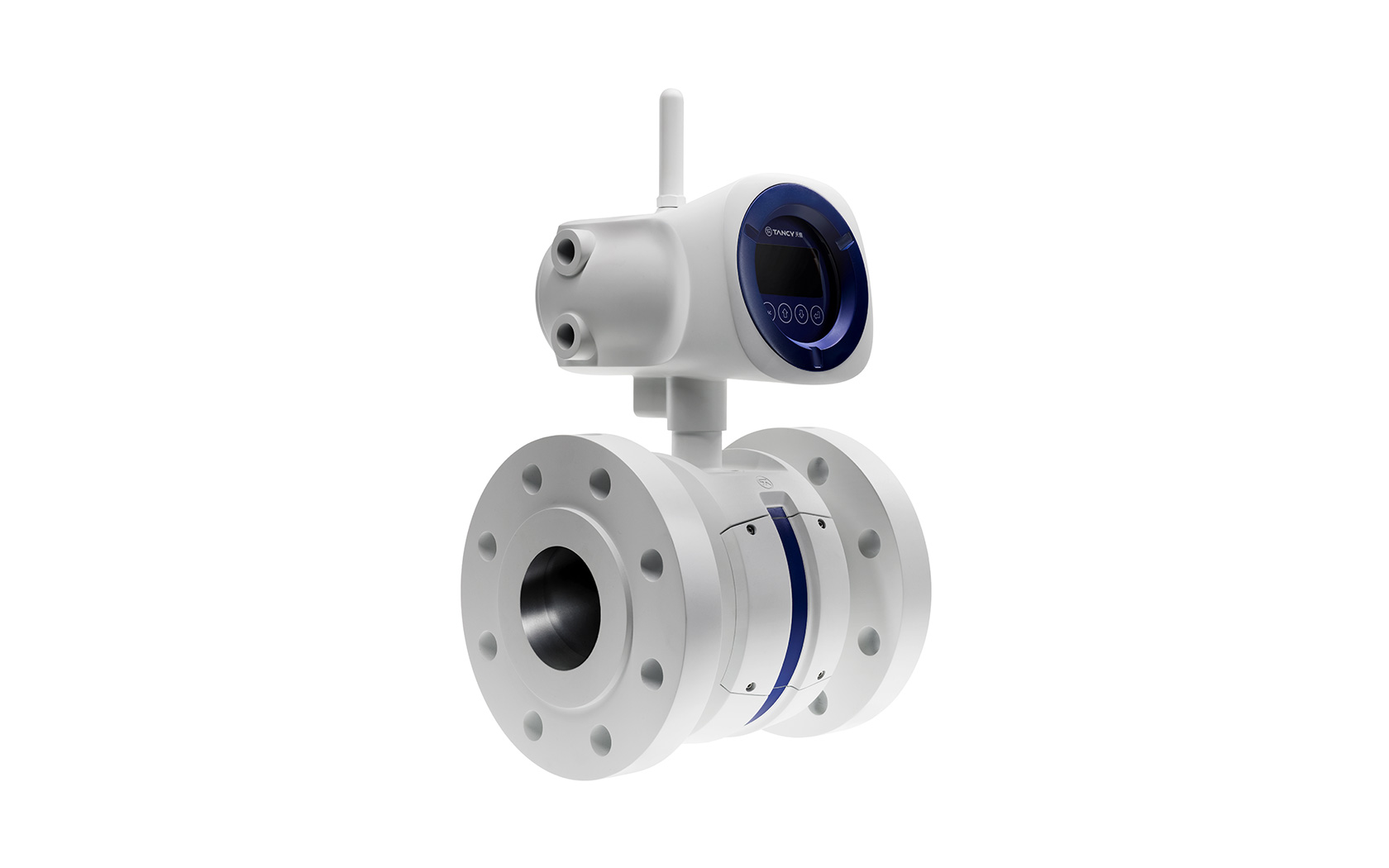
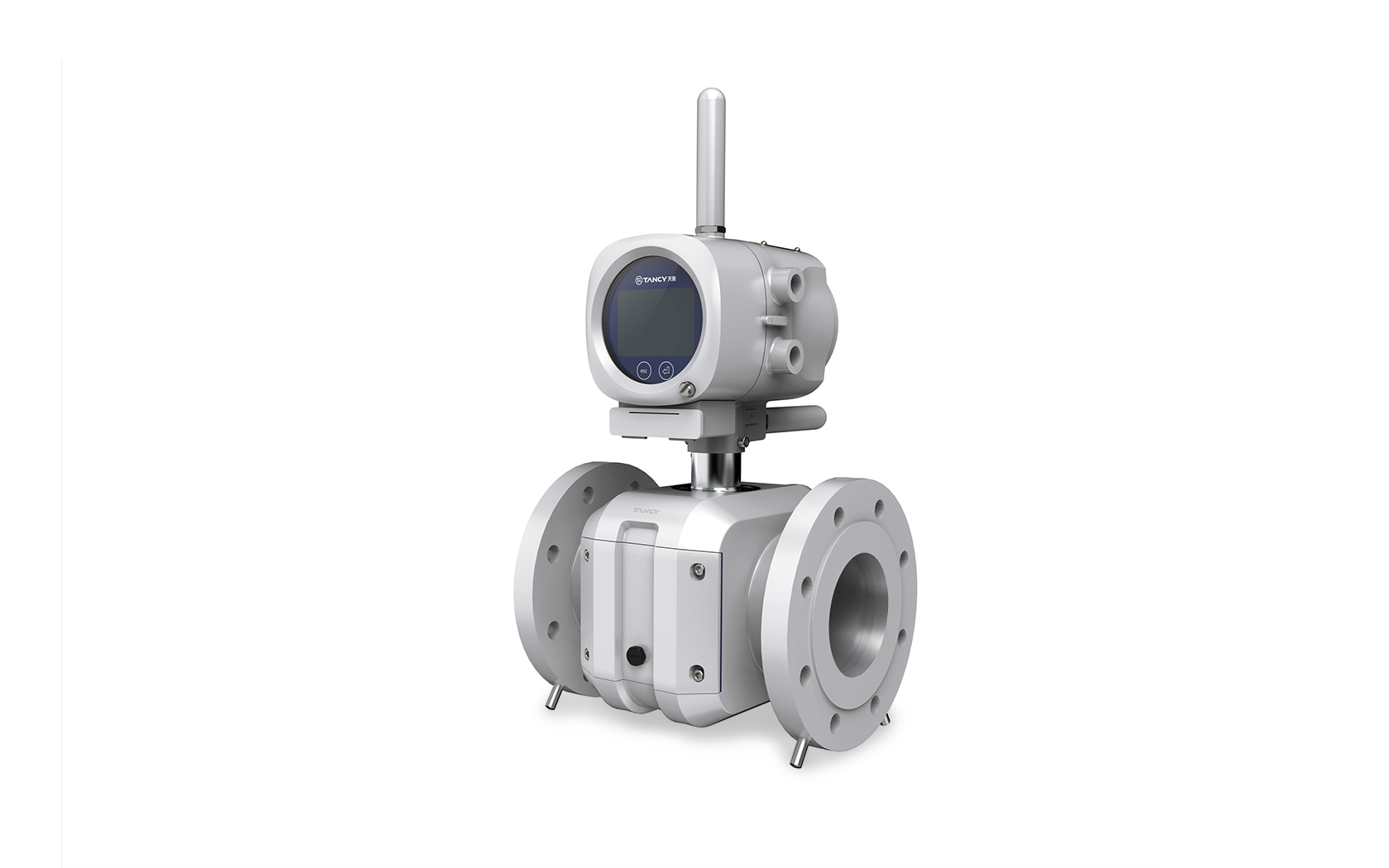
The first product that Michael Schmidt and his C2D team designed for a Chinese industrial company is a smart industrial gas meter for Tancy – a powerful, high-quality and robust product family for onshore and offshore use.
Michael Schmidt: “Our vision was to design a product family with personality, which creates a high level of recognition through clear coding in terms of design language, graphics and the brand color blue as an accent. A design that works internationally and which conveys and communicates the high quality of Goldcard/Tancy in terms of their user-friendly and digital know-how.”
Schmidt and his team managed to create a design that is friendlier and more inviting compared to competing products. This conveys trust, reliability and security.
Through deliberately placed sidecuts and spanned surfaces, the skilful interplay of precise edges and soft surface transitions, the design appears powerful and robust at the same time.
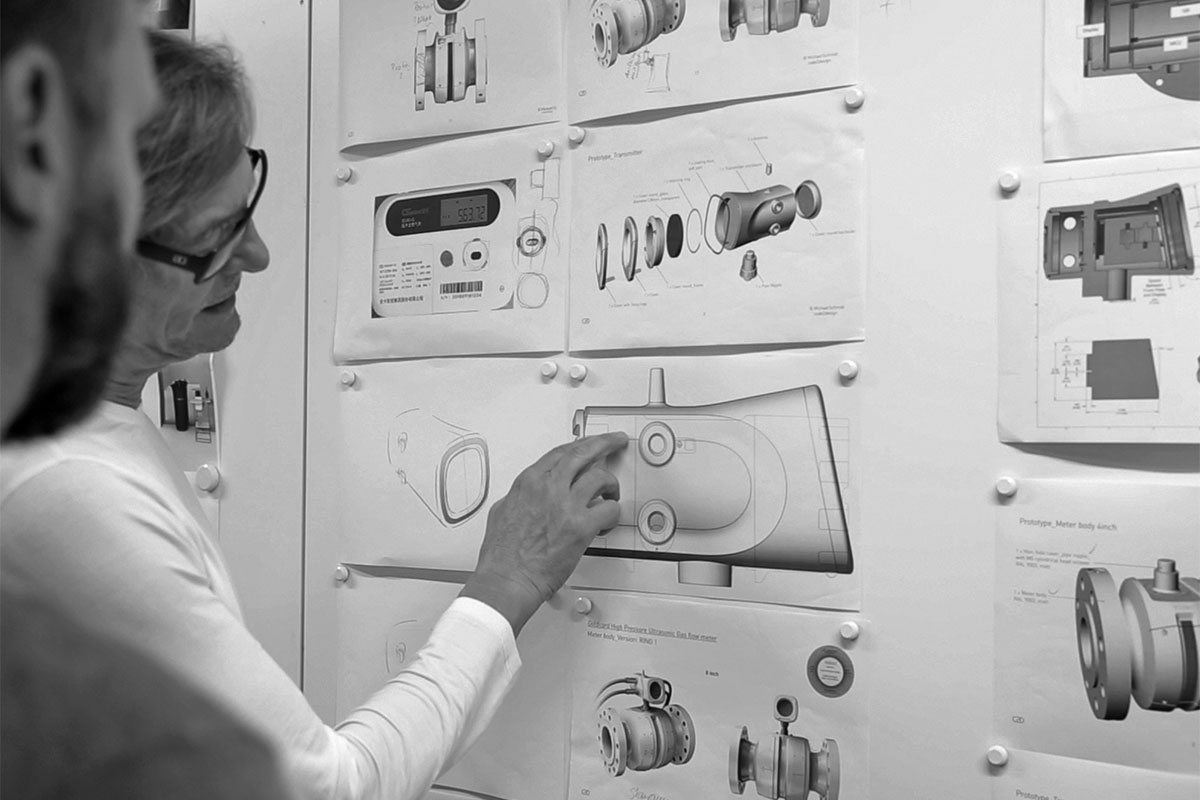
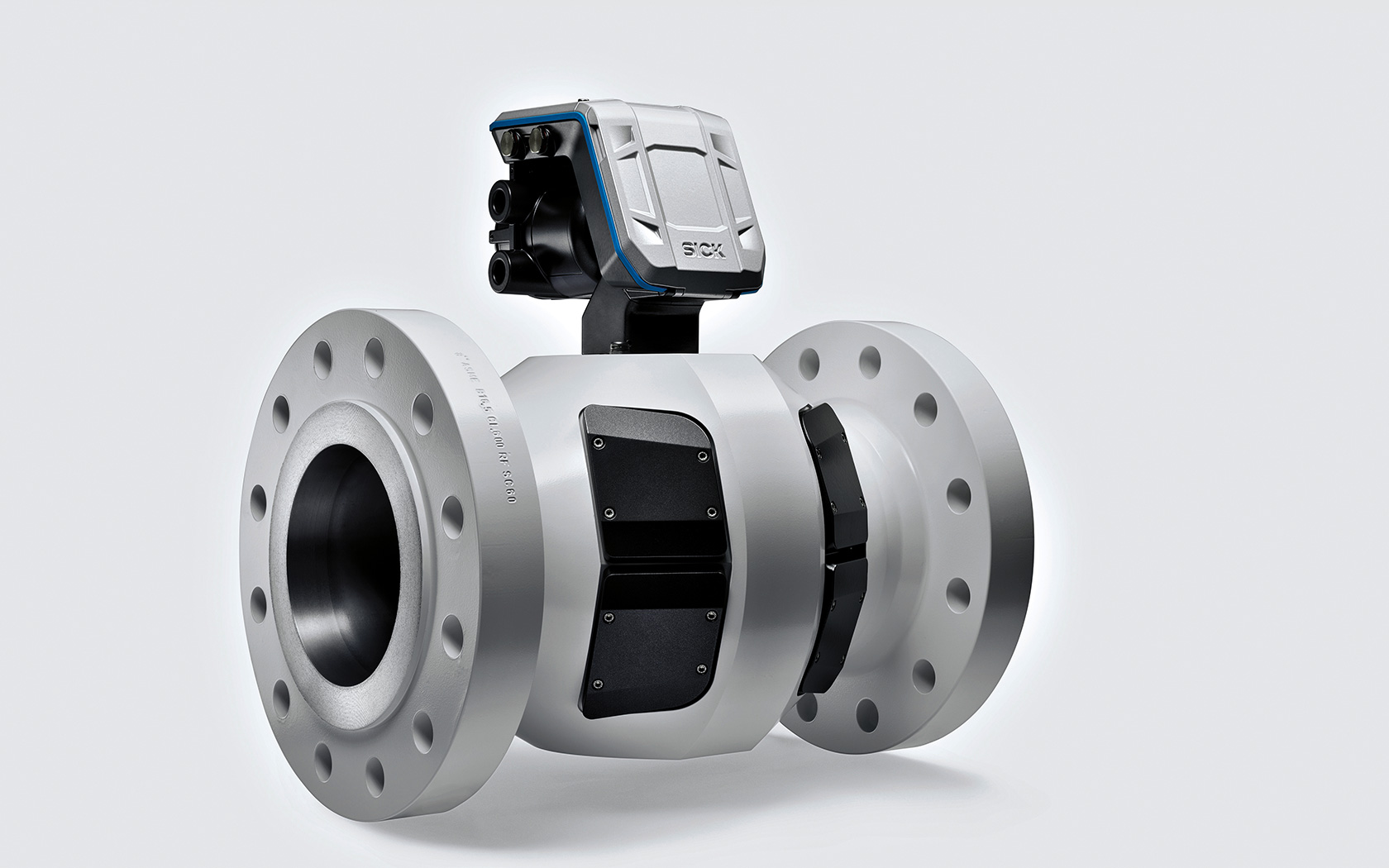
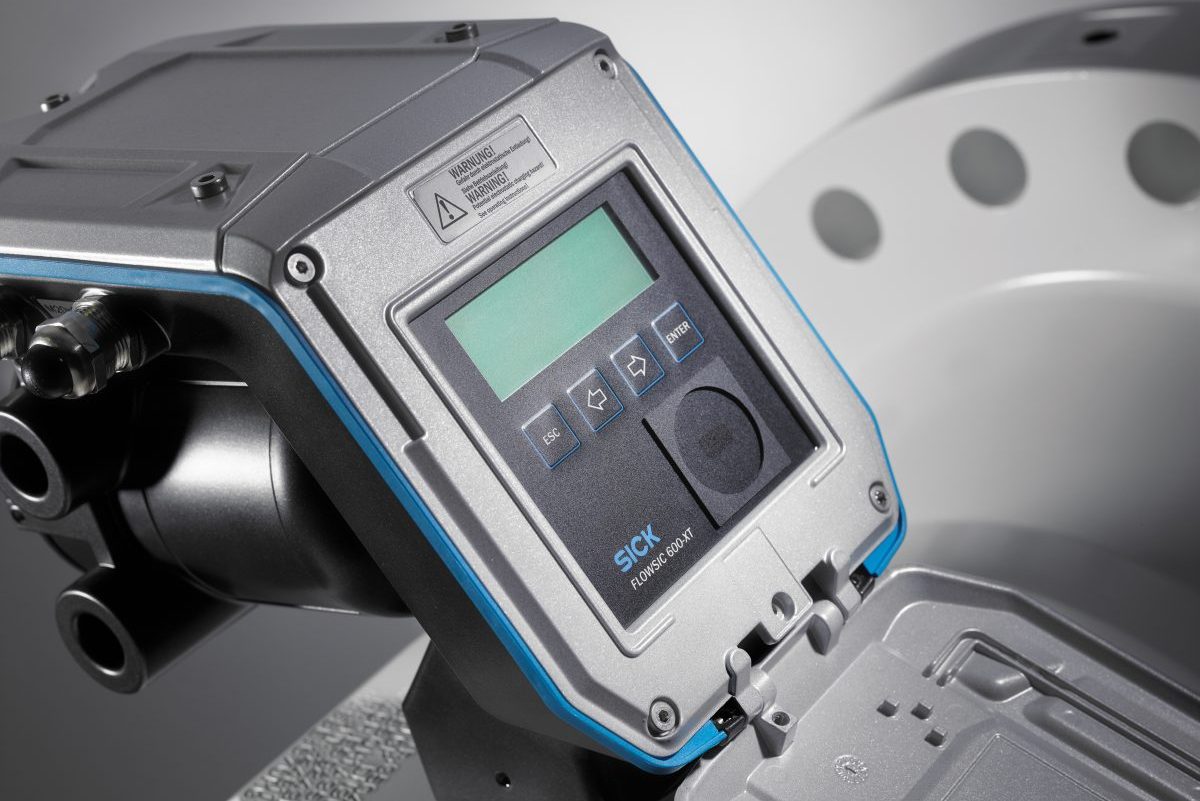
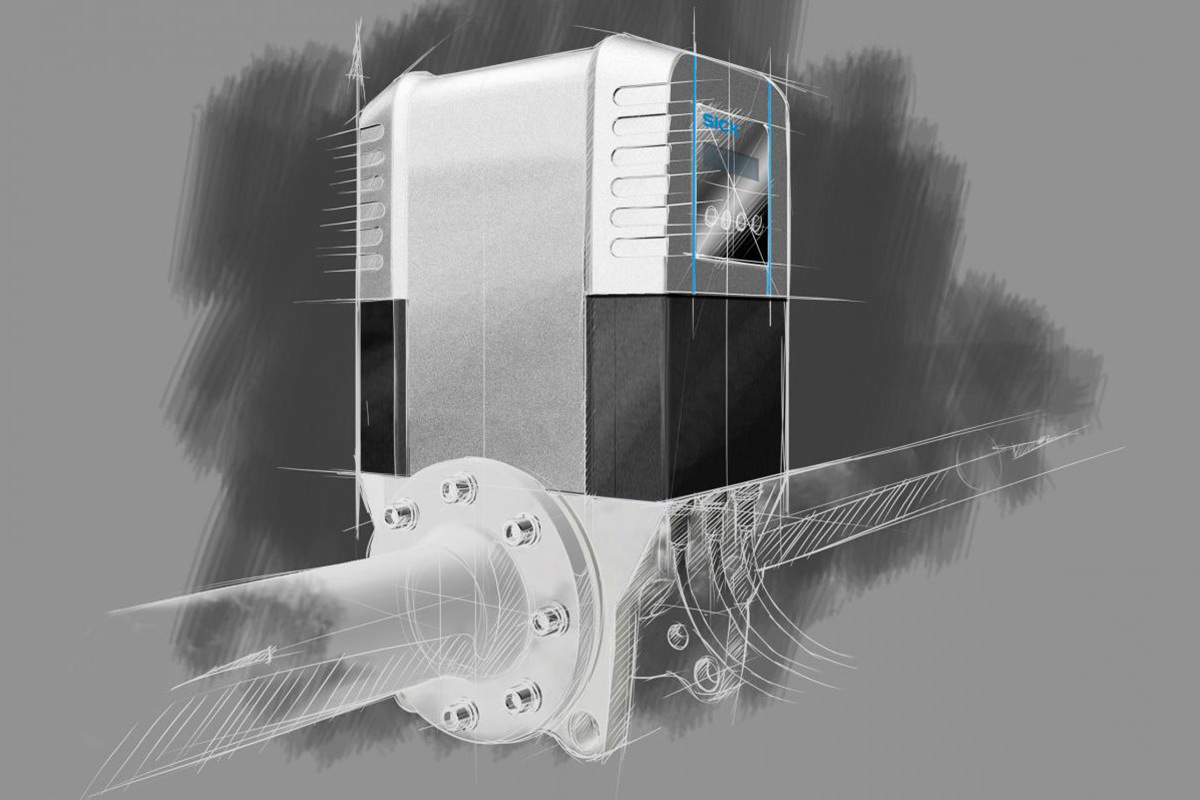
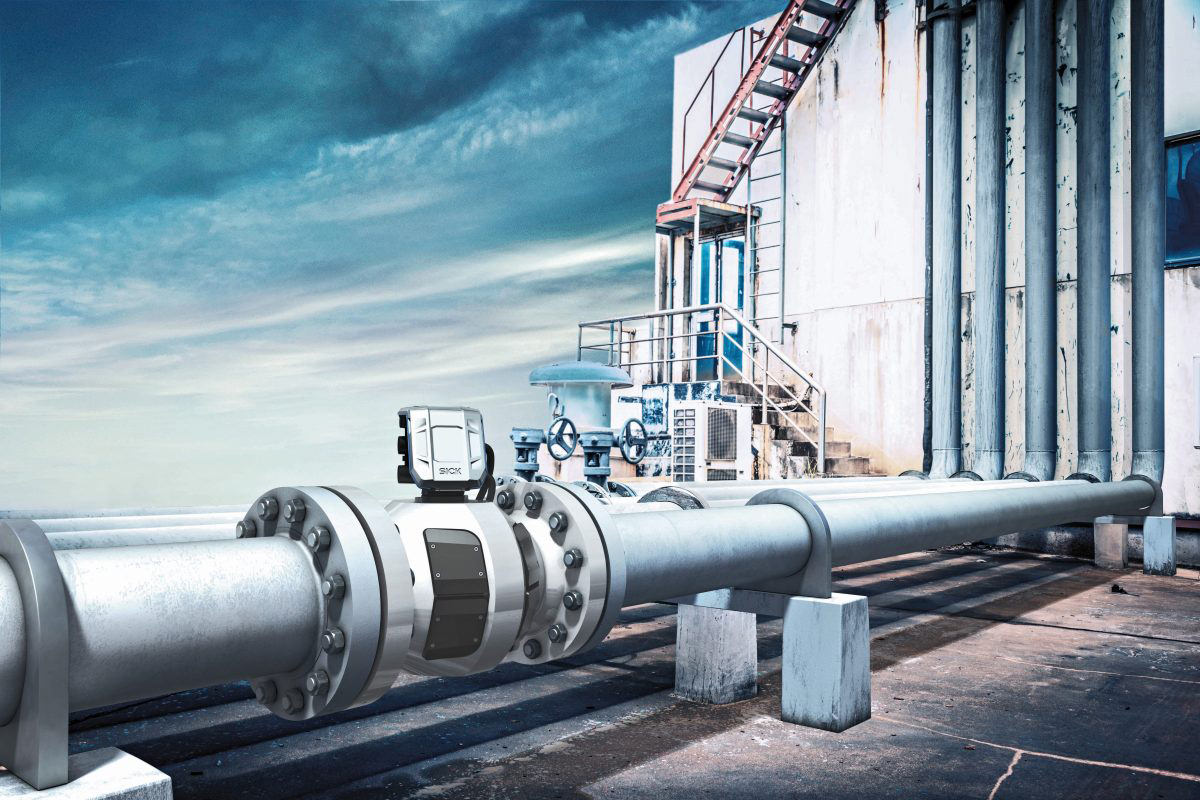
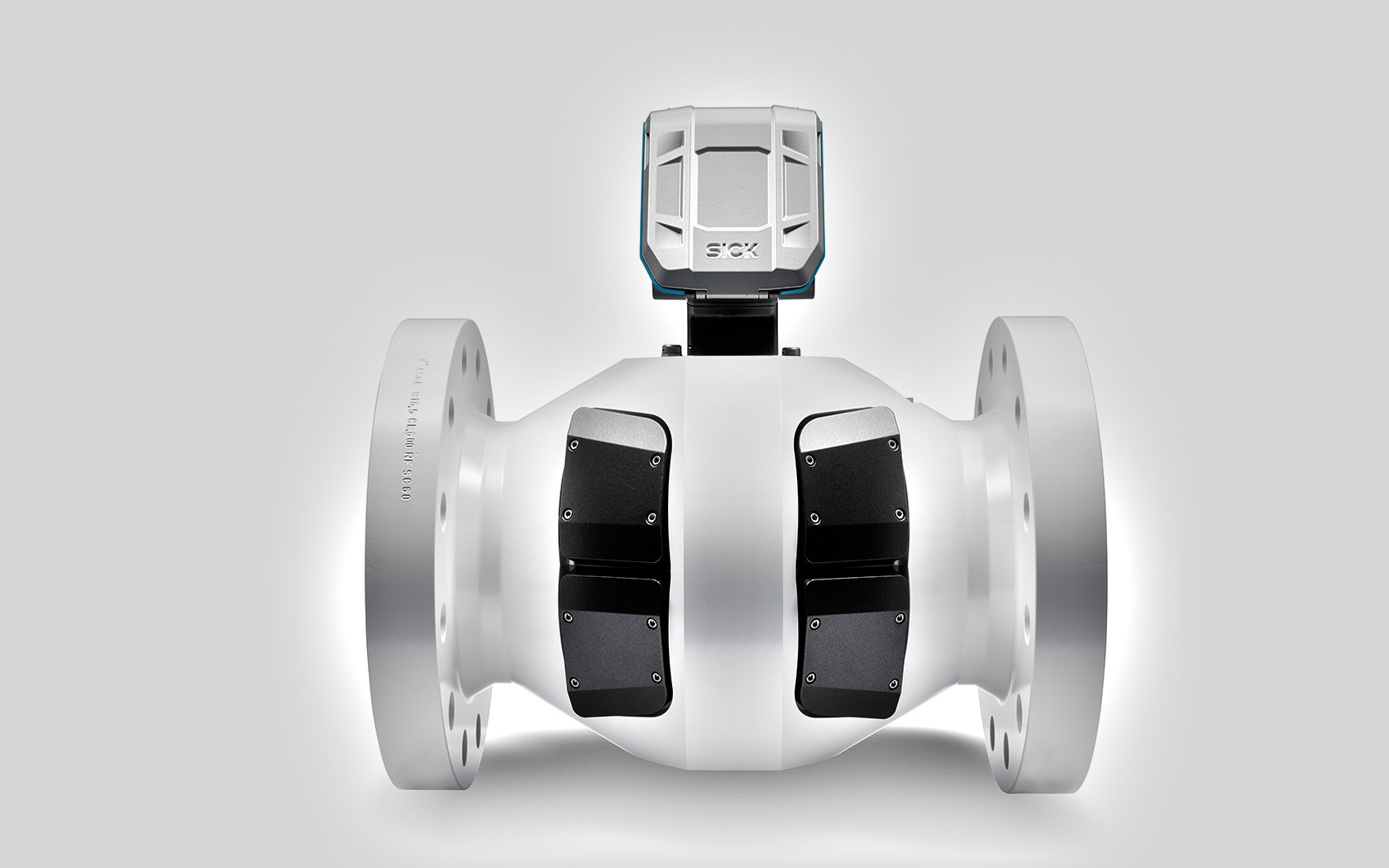
A valuable tool – Corporate Industrial Design makes SICK’s outstanding German engineering visible and tangible. SICK AG is one of the leading German sensor specialists and is the industry leader in sensor measurement technology for gas flow measurement. Corresponding devices such as the new FLOWSIC 600-XT are considered “top of the range” in the industry. They must meet the highest standards of safety and precise measurement performance and be explosion-proof. They are used under extreme conditions, onshore and offshore, on drilling platforms or in transcontinental gas pipelines.
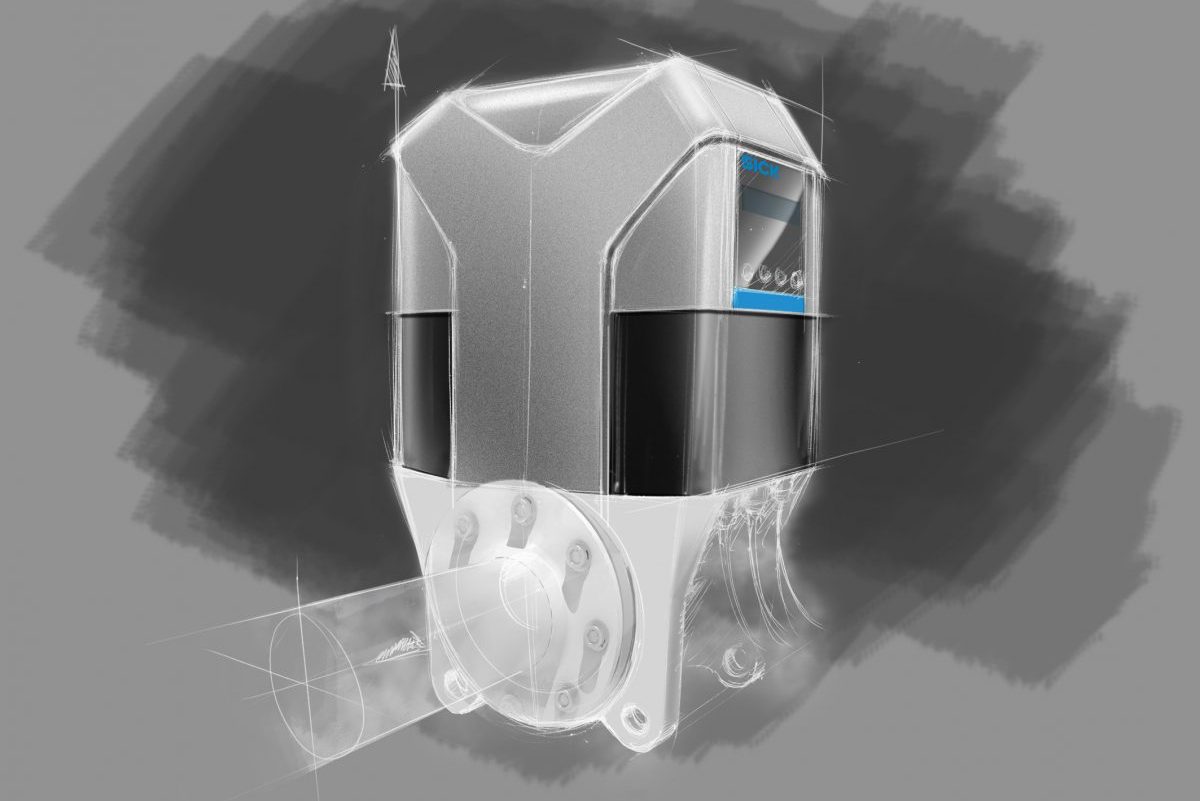
The strategic working methods of Michael Schmidt’s design team convinced SICK: Both see capital goods design as a valuable tool for making high-quality German engineering visible to the outside world. When designing a new ultrasonic natural gas meter, robustness, reliability and measurement accuracy are the top priorities. “These strengths are excellently underlined by the unique and consistent design,” says Thomas Horst, Head of Product Management at SICK Engineering GmbH.
One of the first products from SICK AG to embody the new corporate industrial design is the FLOWSIC500: the world’s first ultrasonic compact gas meter for natural gas distribution. Together with SICK, C2D developed a comprehensive style guide based on the long-term corporate and brand strategy. This industrial design guide describes in detail and in an exemplary manner how industrial design transports and communicates the brand and product values - based on the corporate mission statement: Innovation, Independence, Leadership. A crucial contribution to sustainably strengthening the brand identity.
“C2D combines creative ideas with a thirst for technical innovation. Our designs tell shape stories and impress with functional added value. This qualifies us for the industrial design field of expertise.” (Quote: Michael Schmidt)
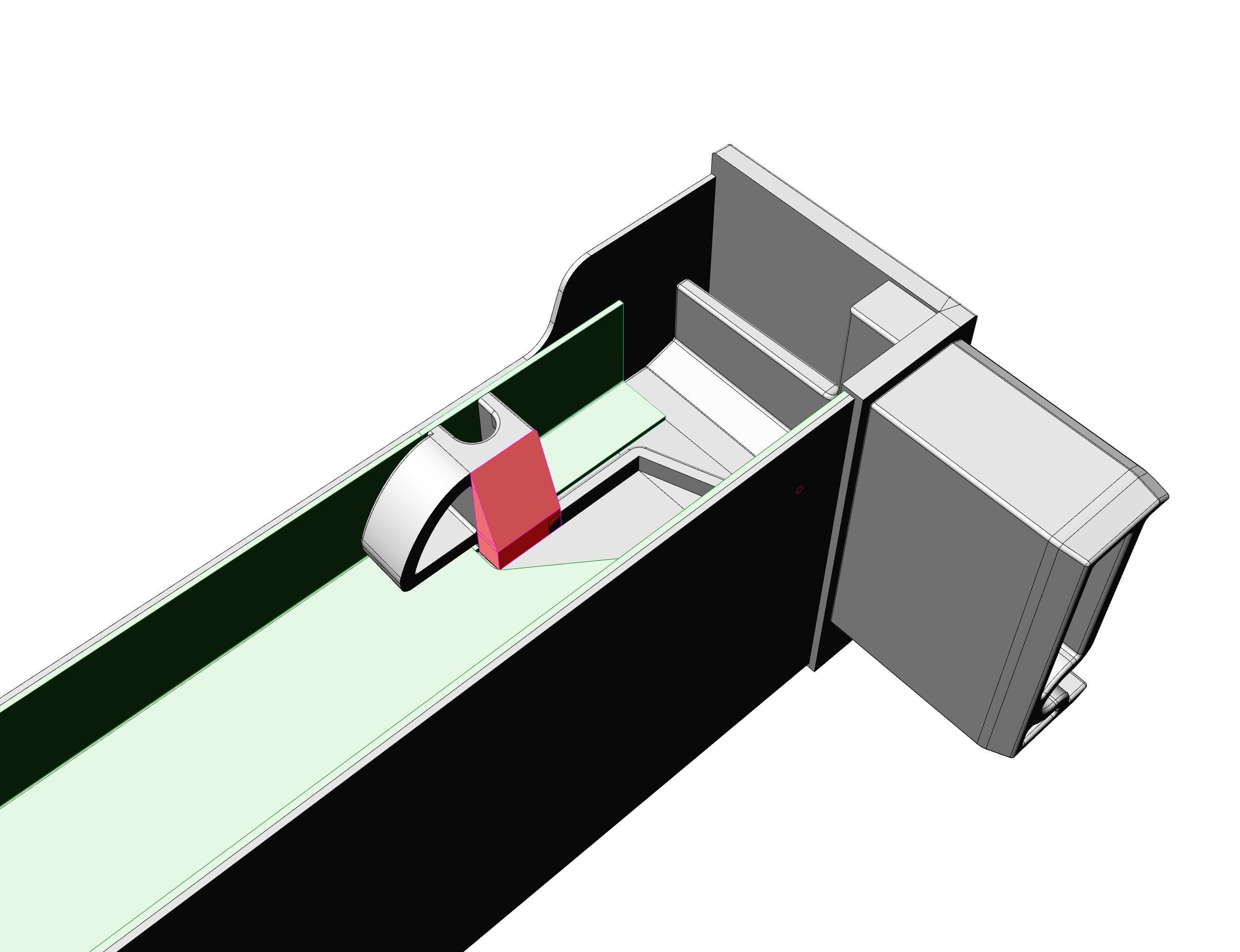
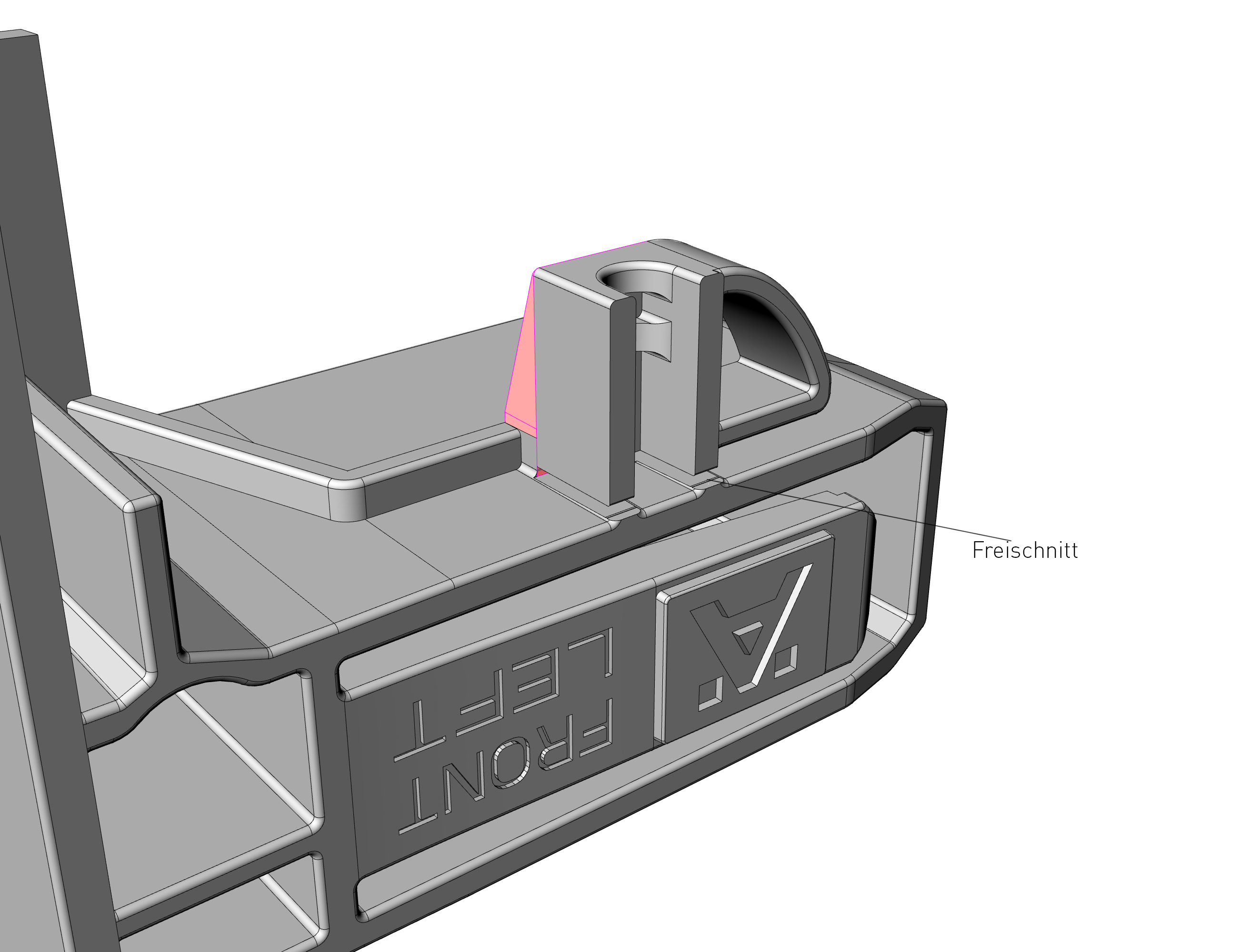
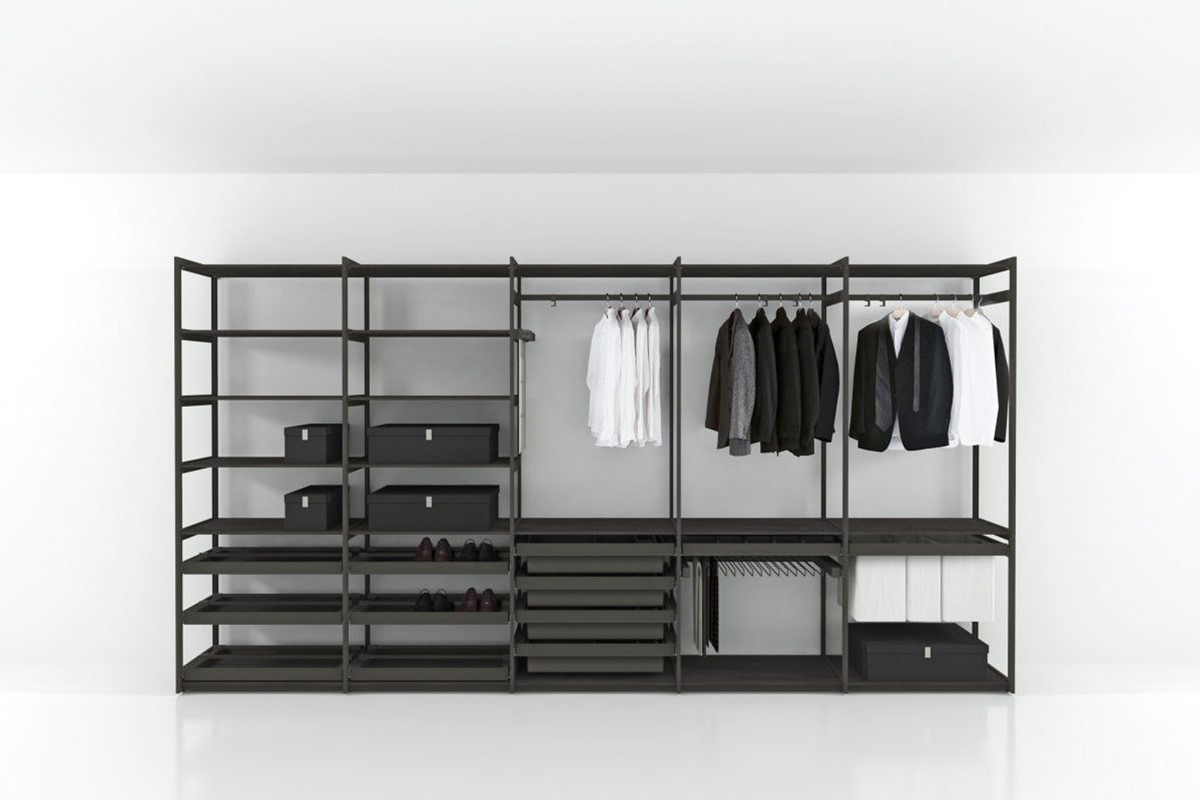
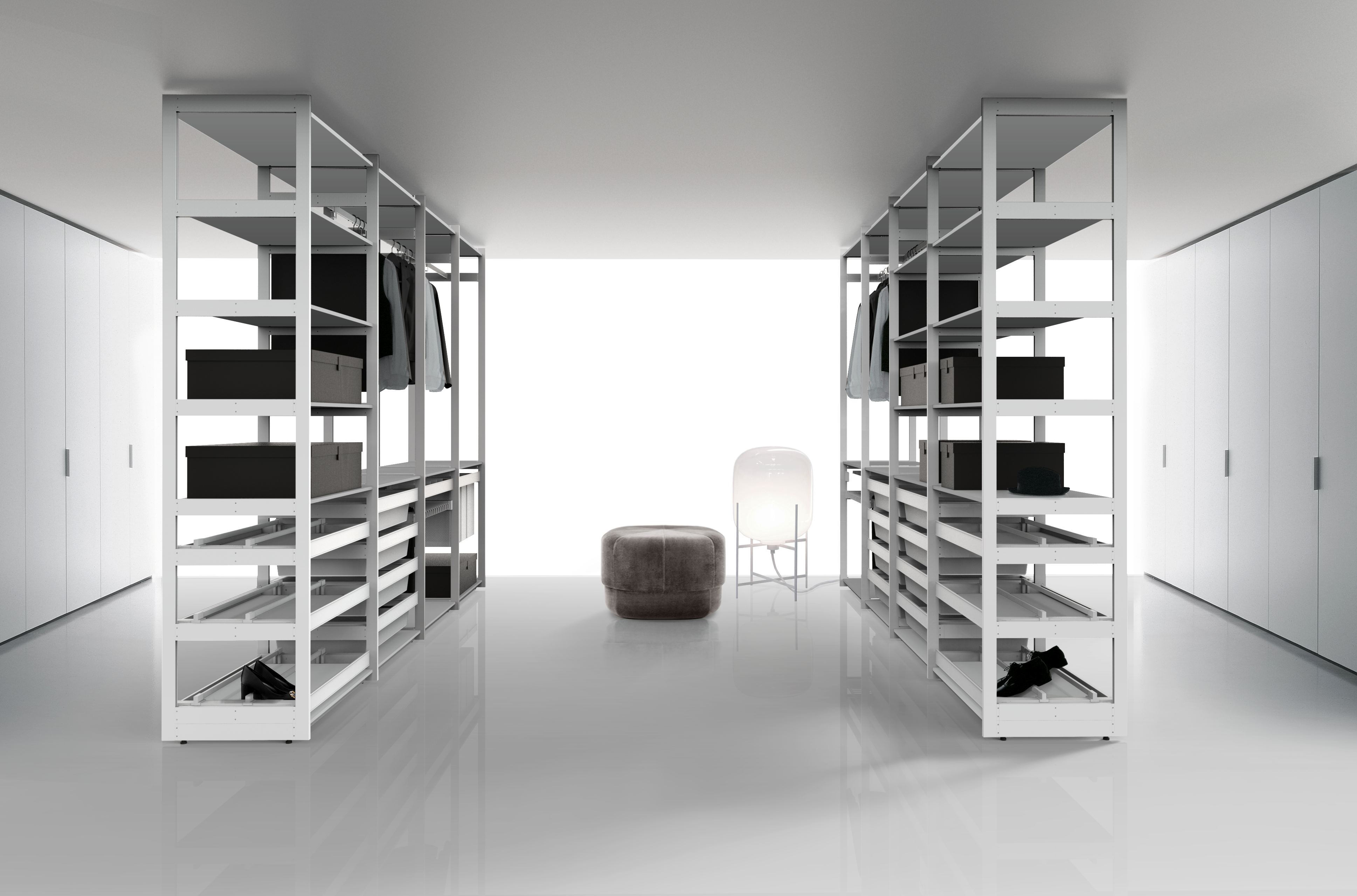
DRESSCODE is the name of the new wardrobe equipment system from Häfele that can be assembled completely without tools and provides more organized storage space and order. A modular system with a clear, consistent design for maximum flexibility – easy and quick to configure thanks to tool-free construction.
Everything as simple and clear as possible: That was Häfele’s central requirement when developing and designing the dress code. It was clear from the start that not only C2D design expertise was required, but also construction know-how for later series implementation. The manufacturing costs should be kept as adequate as possible in order to attract a wide range of customers worldwide when setting prices.
![]() |
![]() |
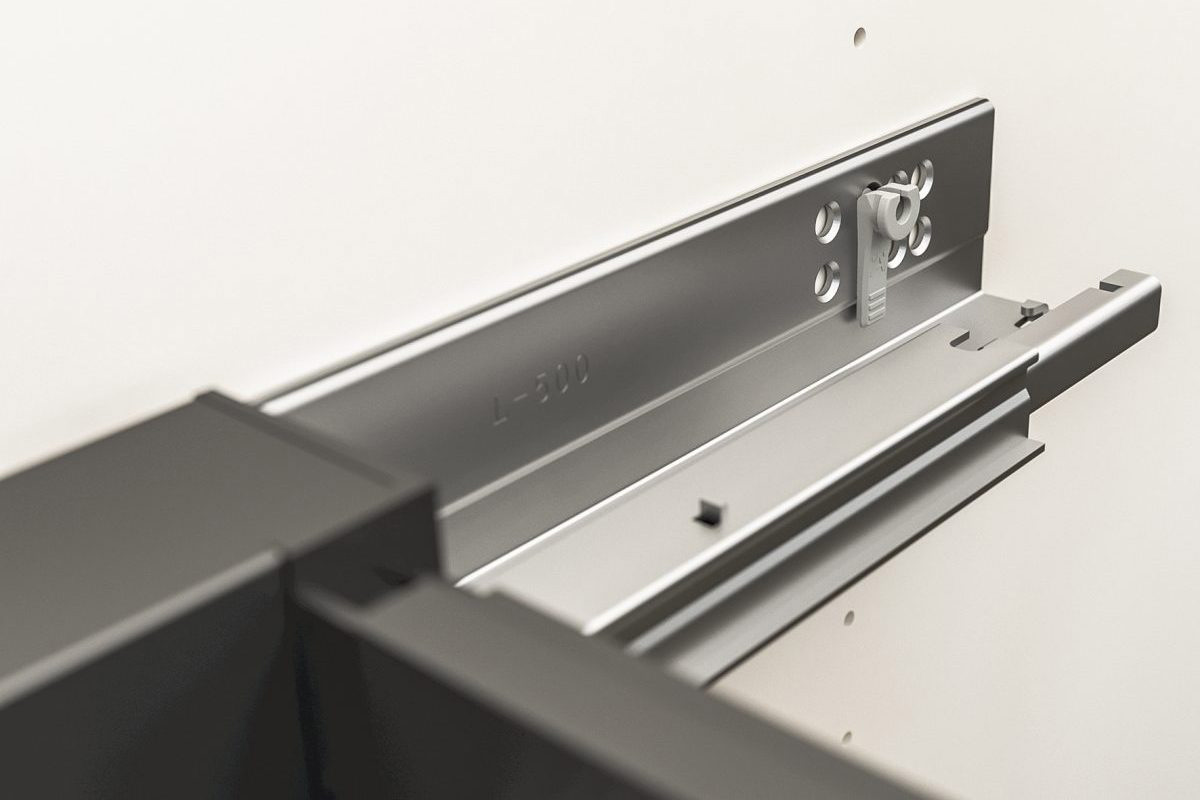
The result: a well-thought-out modular system with easily combinable elements that are tailored to the individual needs of the user. Installing and assembling the elements can be done quickly, intuitively and without tools – in a cabinet body or in a specially designed aluminum frame system. Everything fits together perfectly – and a new connector system developed by Häfele ensures a personalized cabinet interior in just a few simple steps.
“Only a designer who accurately recognizes the wishes and needs of customers and target groups, questions the traditional and has a feel for new developments and trends can design successful products.” (Quote: Michael Schmidt)
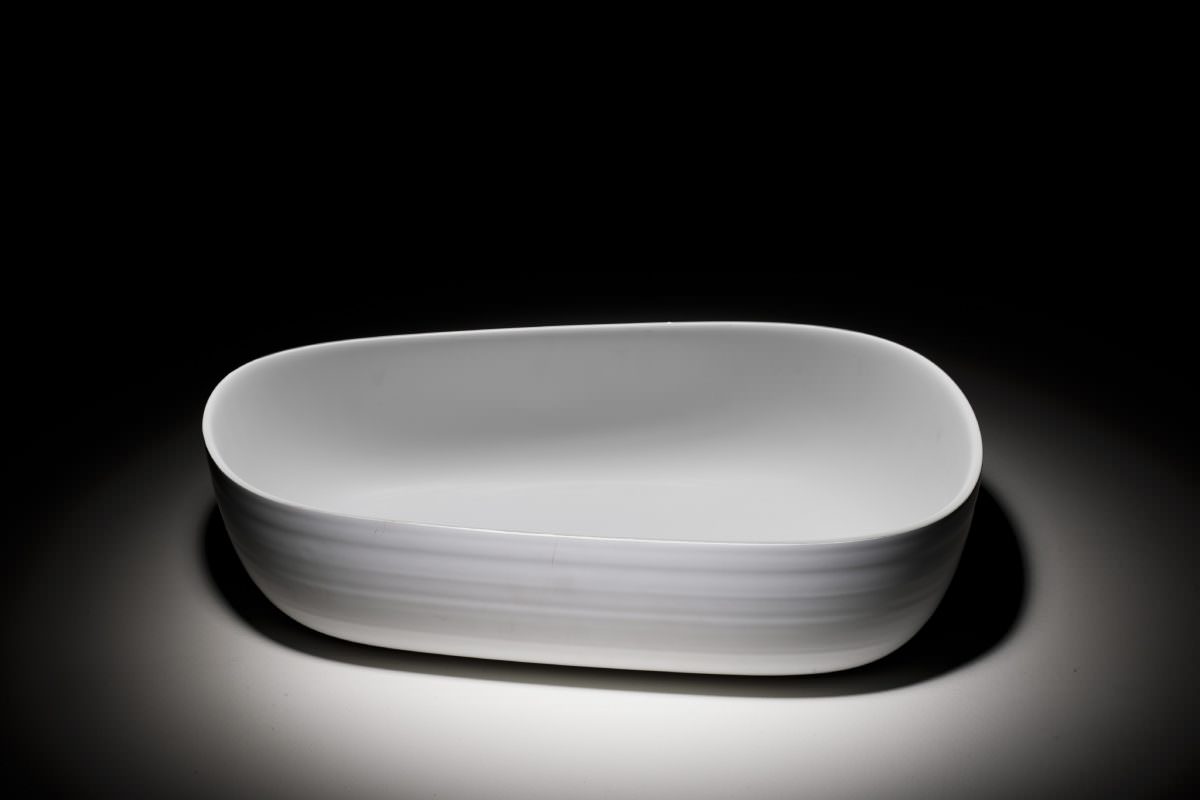
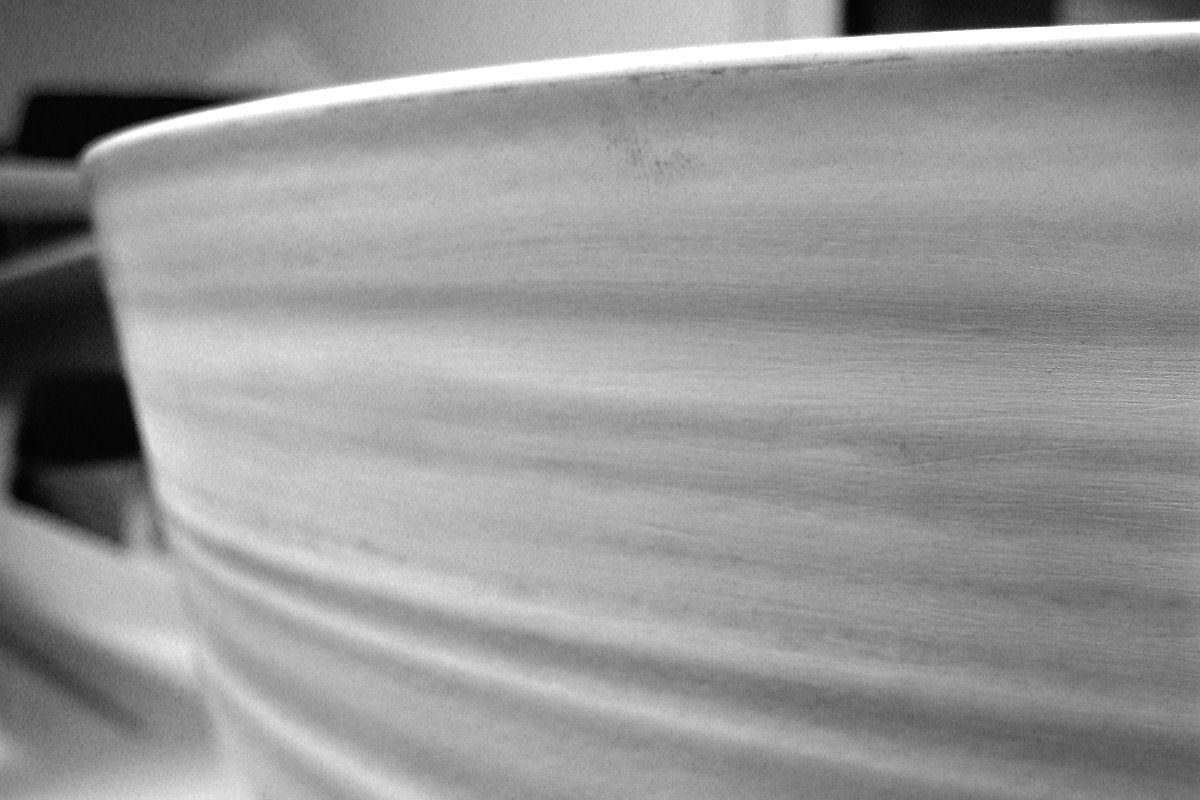
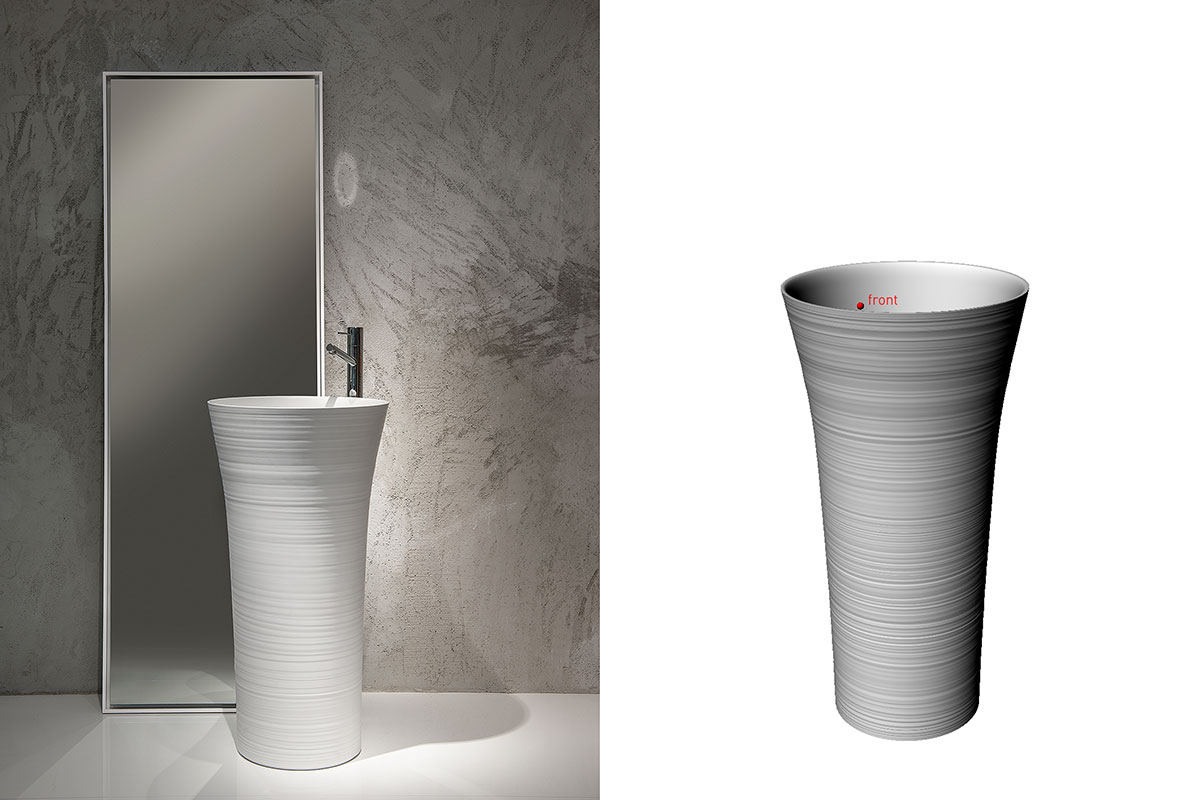
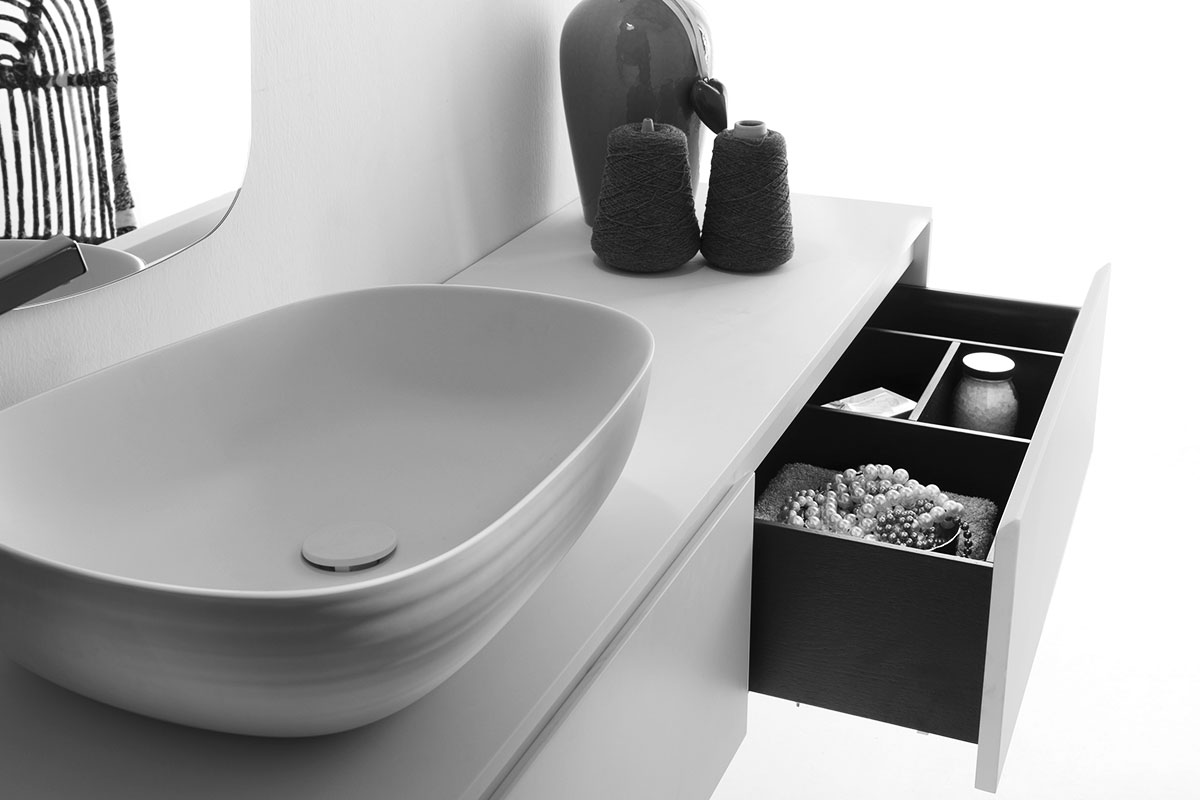
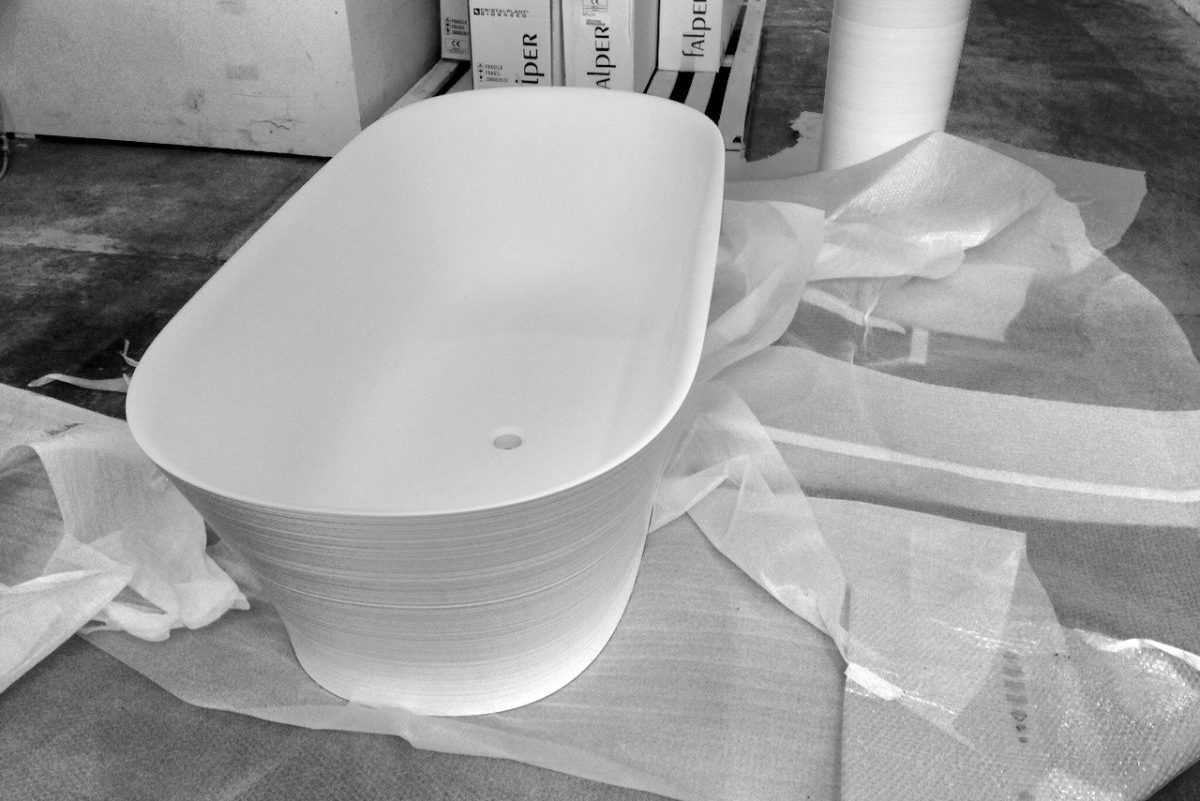
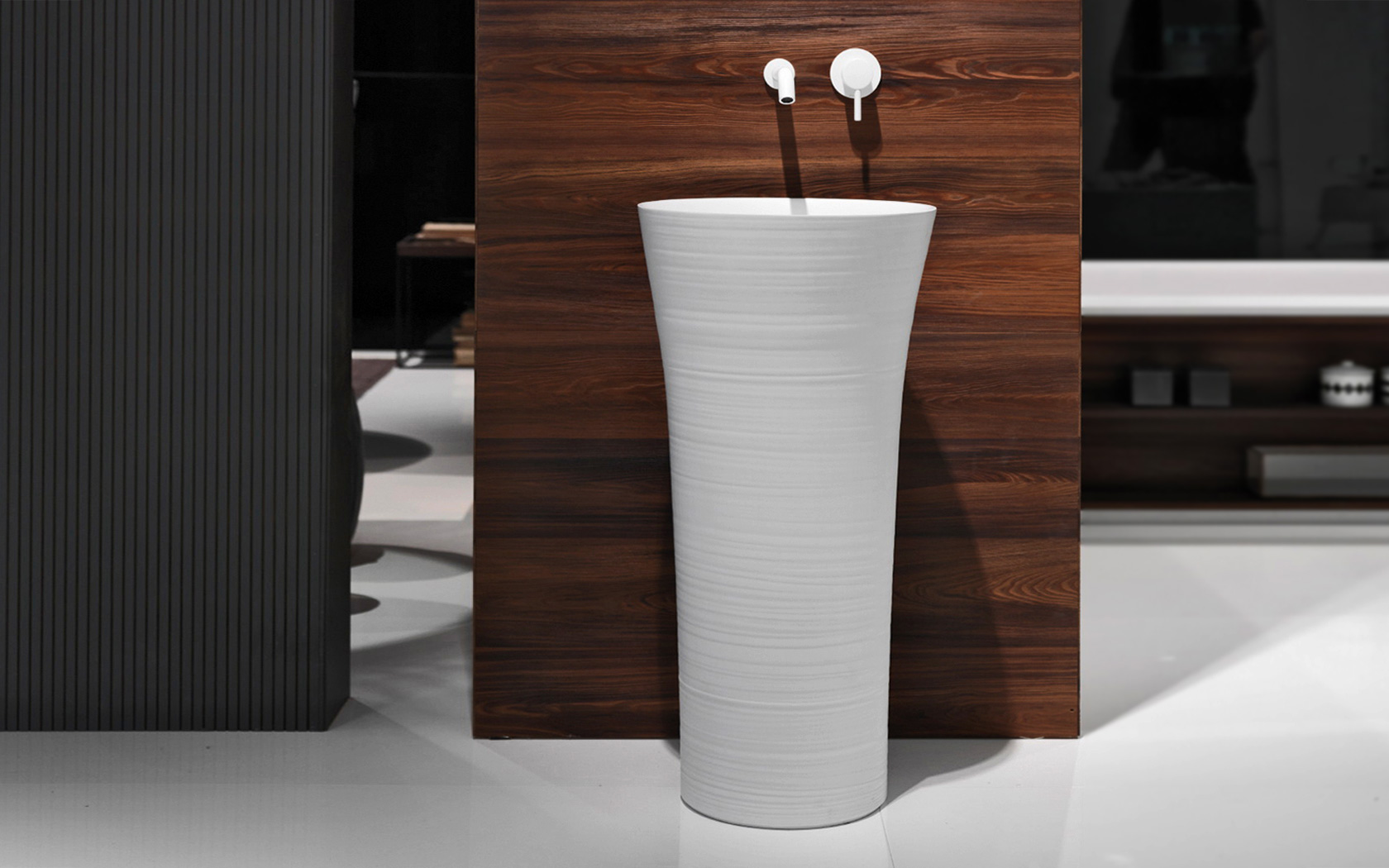
HANDMADE for Falper: poetic, unique and made from sustainable material. The questions “What makes a product special?” and “How is New Premium defined?” In the design process we moved to the Handmade series. It is clear to us that people demand real, authentic products. These should have the charm of being handmade and they must be sustainable. For these reasons, the Handmade collection is made from Cristalplant®biobased, an ecological solid surface material.
Our key to success lies in merging craftsmanship with successful design, making an understanding of processes and functions the basis for inspired shapes and design ideas that rely on sustainability and quality.
“For me, design is more than just designing a product. I have to understand the history of a product, the motives and the secret desires behind the product in order to find my own version and interpretation. Added to this are the personalities of our customers, which we get to know in intensive dialogue, and of course the DNA of a brand. When designing, I am then inspired by nature and archetypes.” (Quote: Michael Schmidt)
As in the specific design process, C2D approaches the task from a holistic perspective when developing brand strategies and innovation processes: the brand and its products are analyzed under the aspects of the relevant markets, target groups, design, technologies, materials and trends.
C2D accompany the brand building process by making our customers’ product portfolio fit for the future in order to sustainably strengthen their brand awareness internationally. This service is an essential part of our competencies and shapes our entrepreneurial mindset. In defined steps, our consulting process leads to concrete results, success-oriented and shaped by a philosophy of action. Our success proves us right and allows us to look back on success stories that we have written together with our customers.
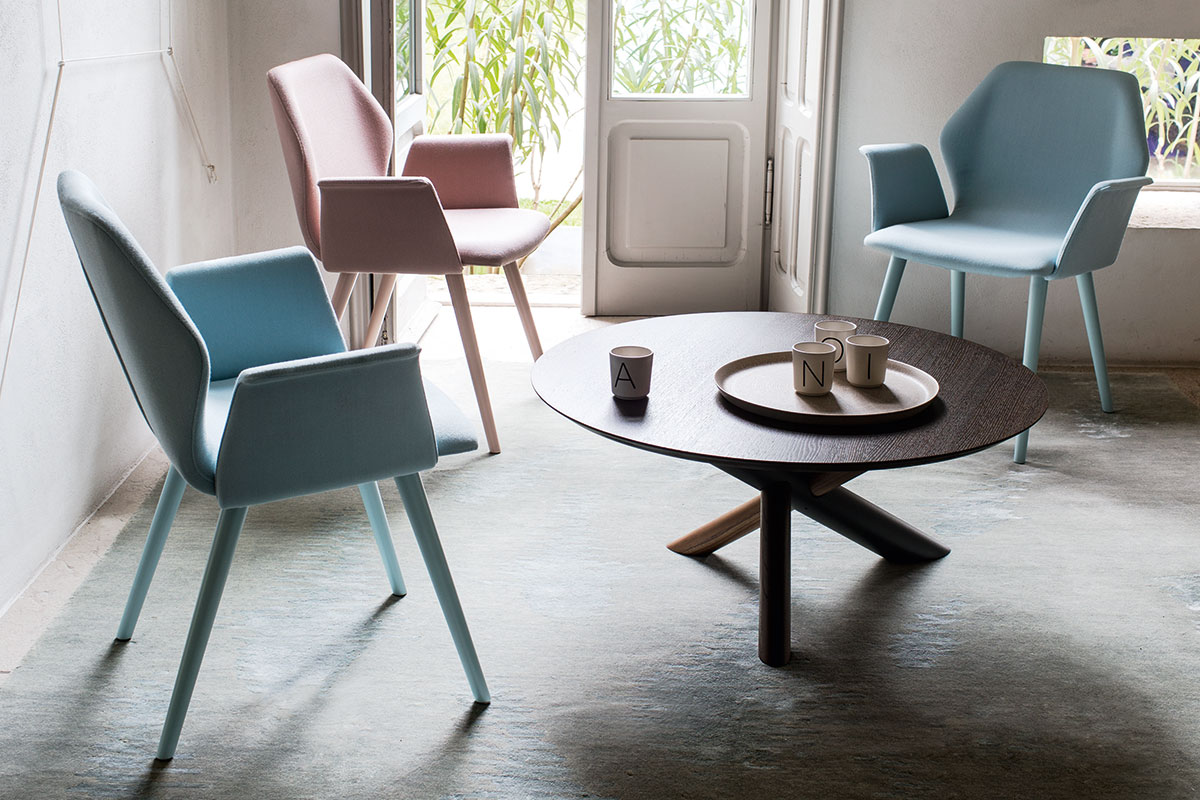
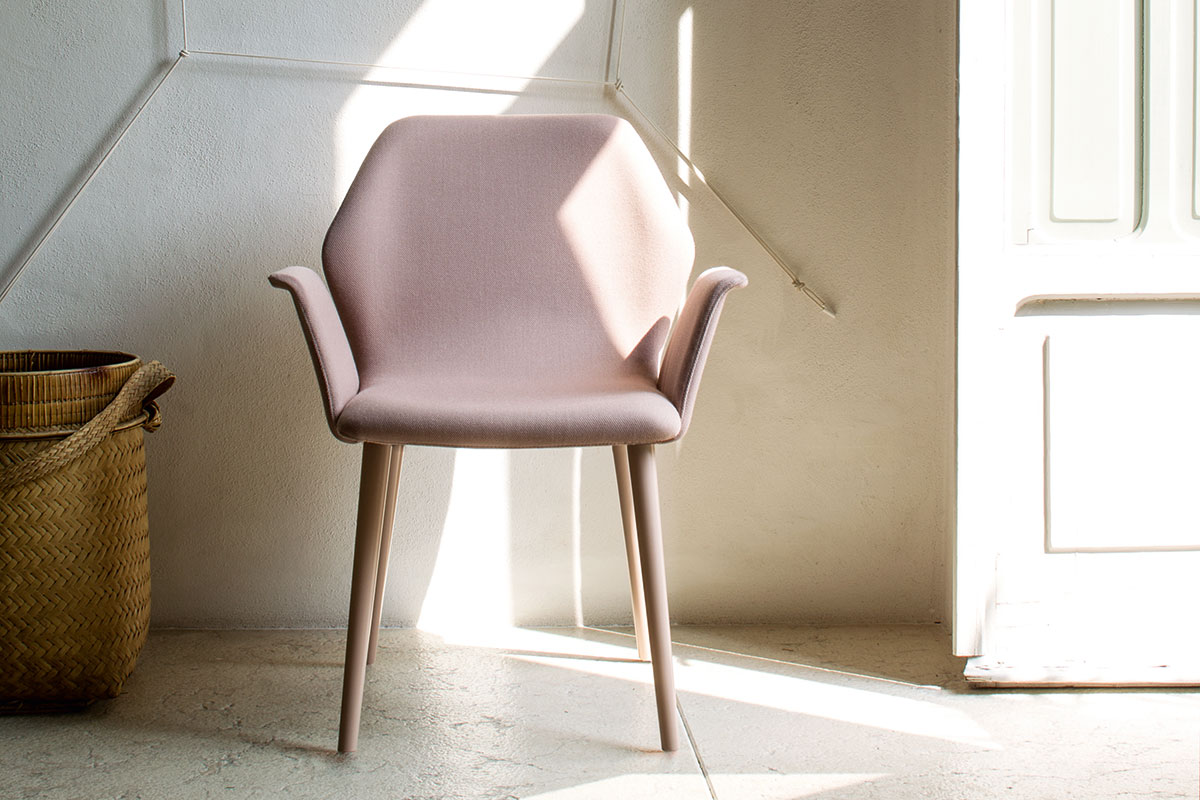
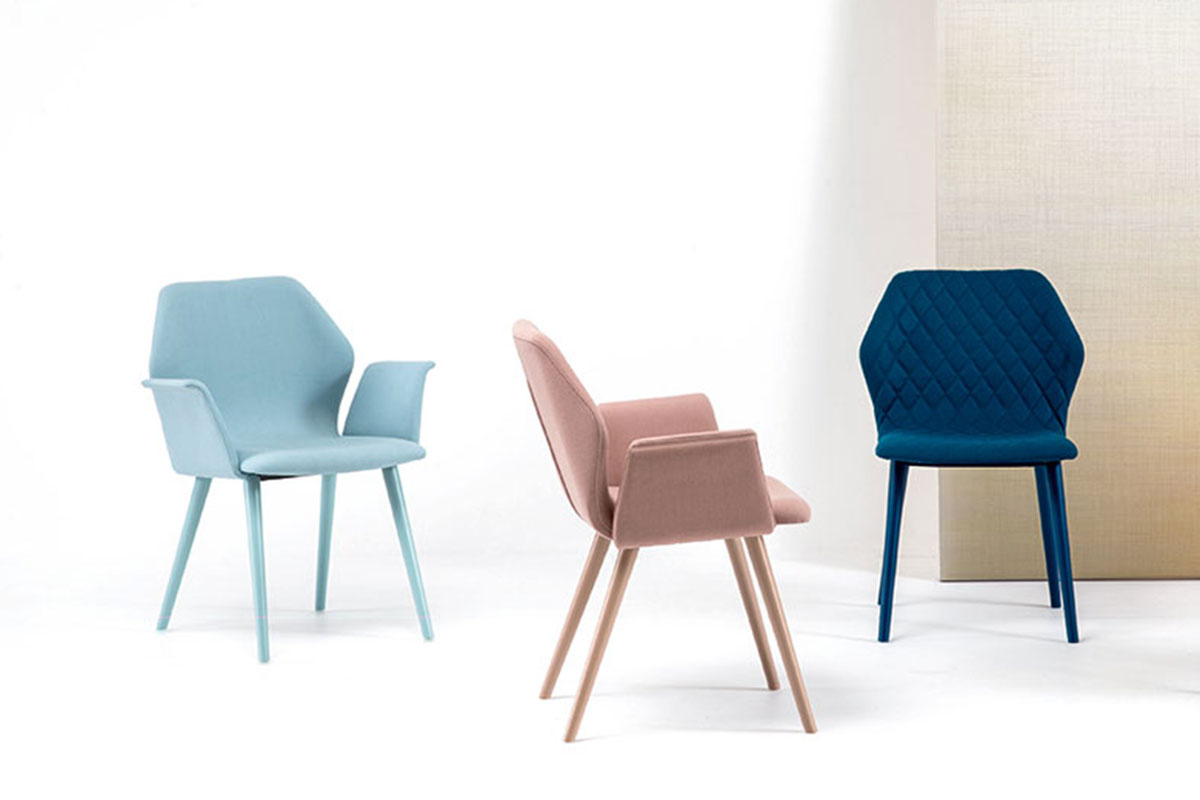
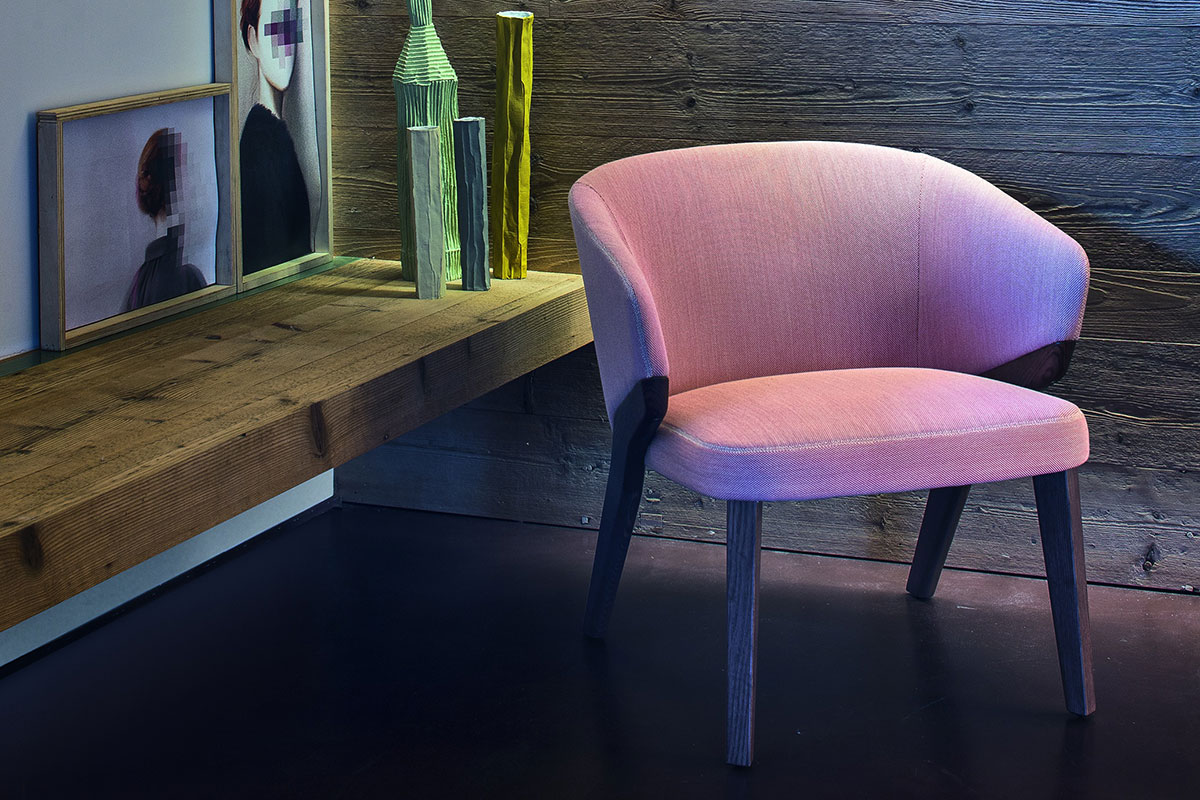
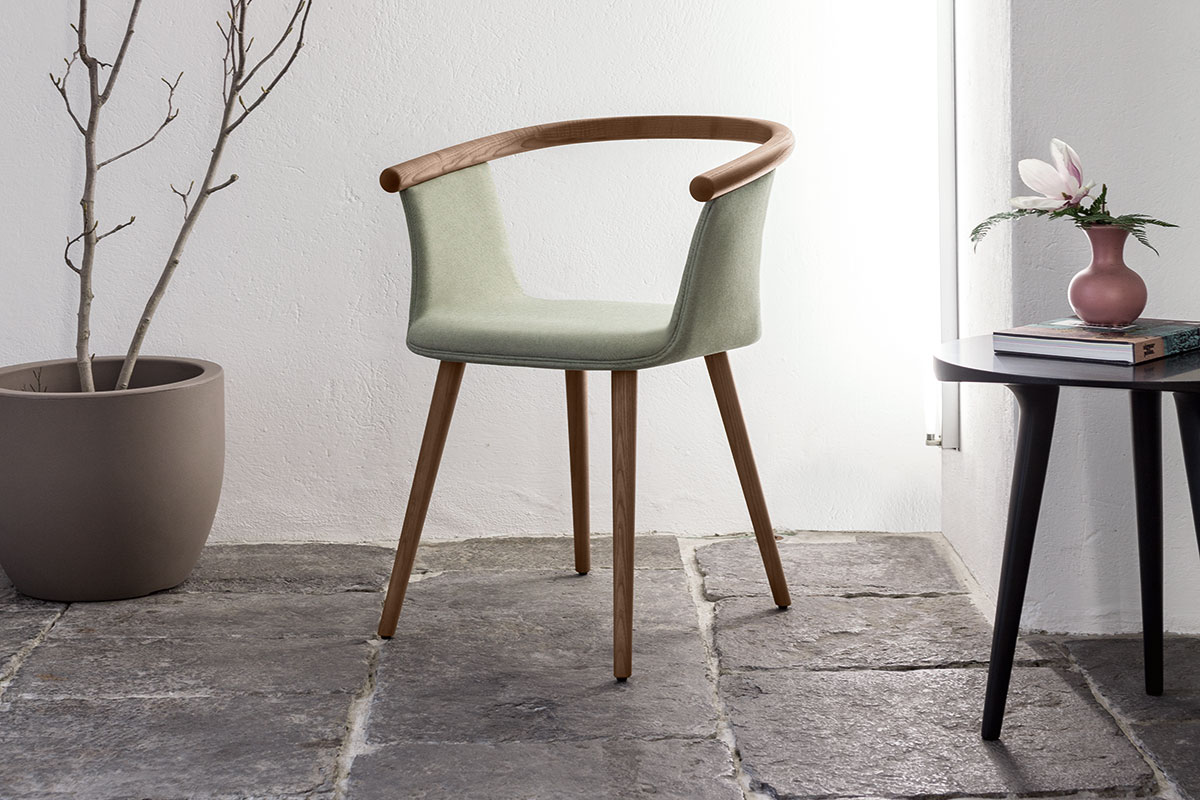
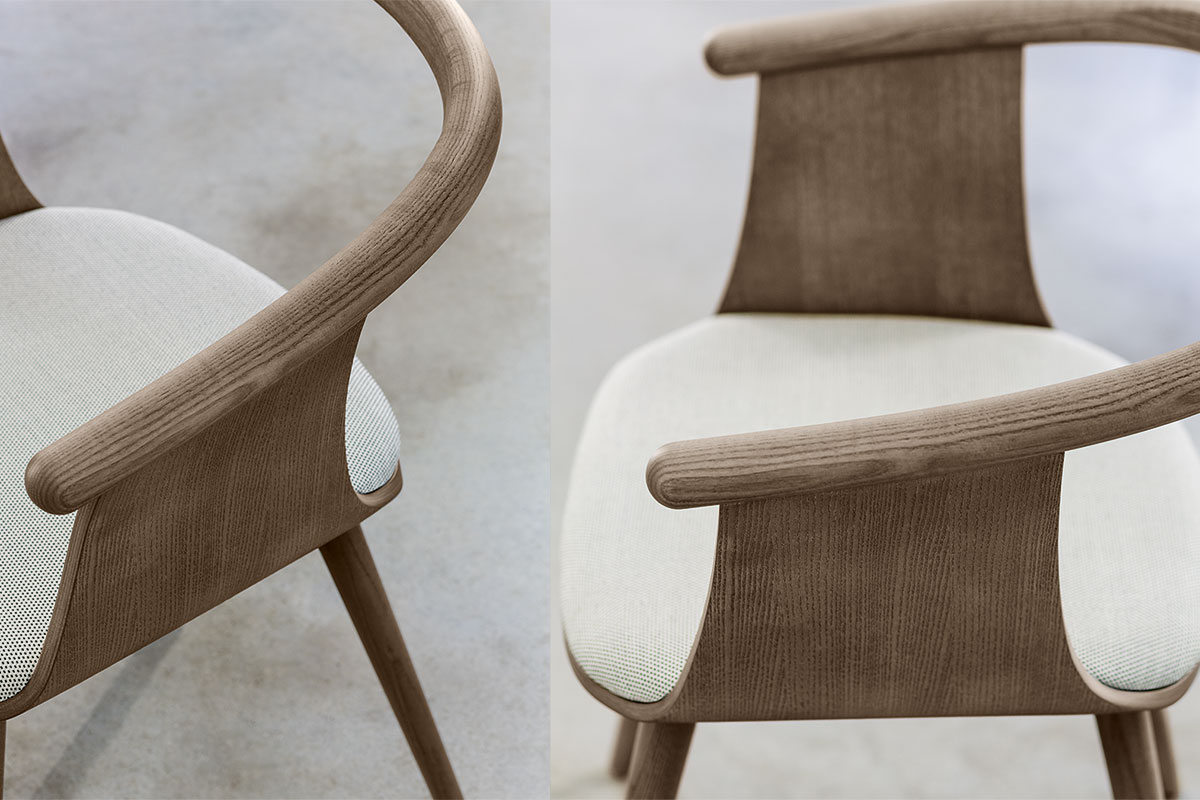
An example of this is C2D’s collaboration with the Italian furniture label Bross. Against the background of an even stronger international orientation of the brand, C2D was commissioned to develop an expansion strategy for international markets and to implement it into products.
Since 2013, this strategic collaboration has resulted in four chair collections and a side table, which have significantly increased Bross‘ reputation and sales success in international competition.
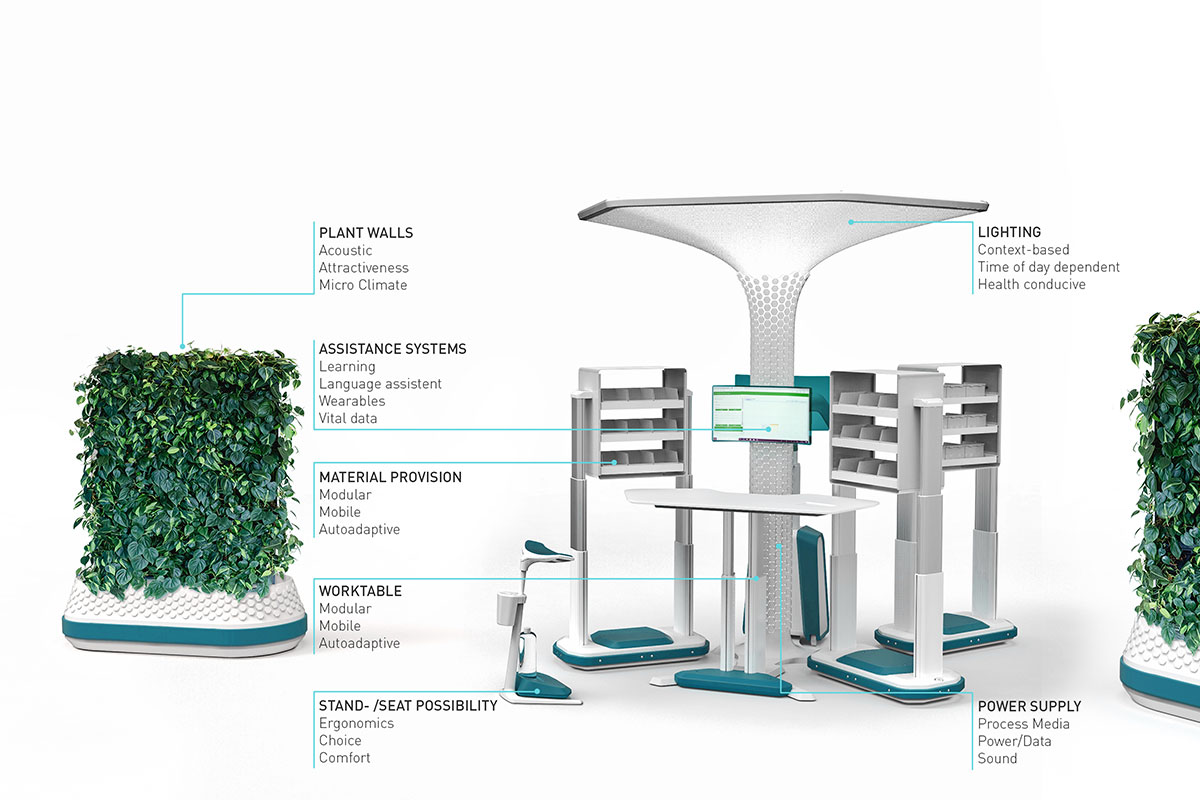
How can production work be made both attractive and productive for people in the future? How can work systems be designed flexibly and with a focus on the user?
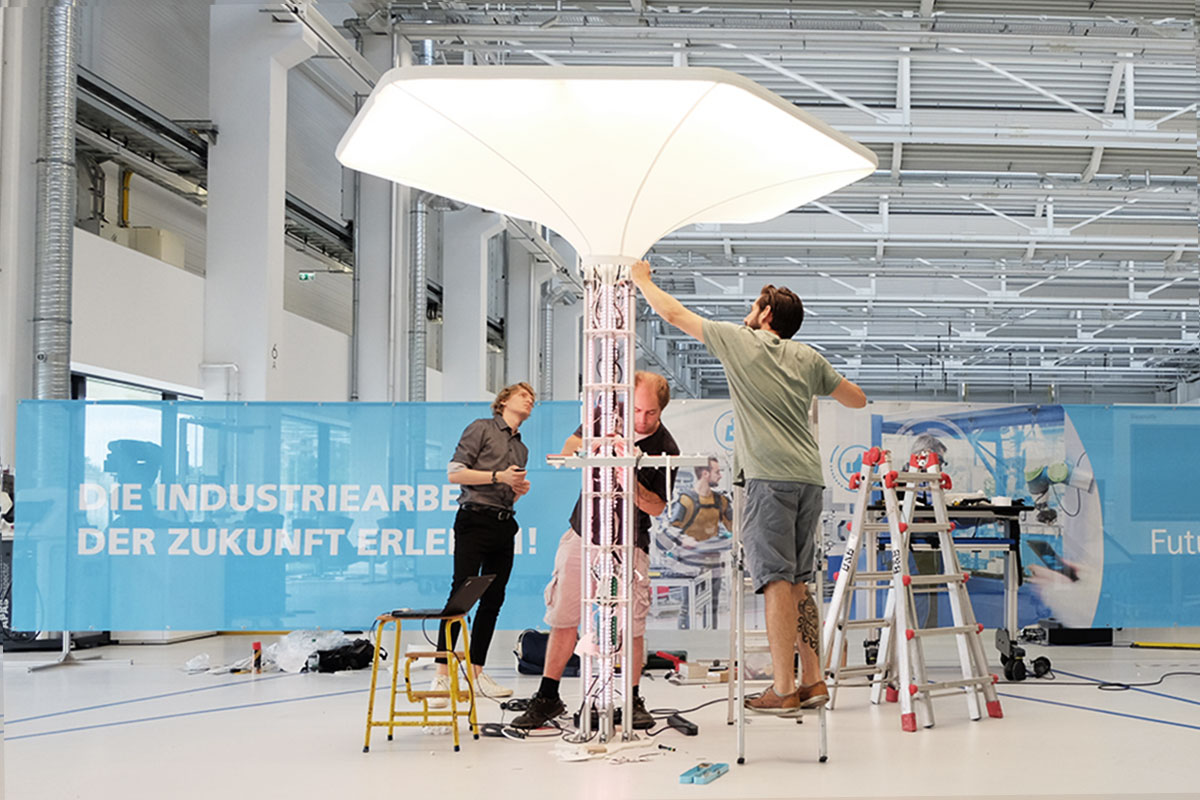
As part of the “Future Work Lab” research project funded by the BMBF, the Fraunhofer Institute IAO, together with partners, is investigating what the work of the future might look like in the context of digitalization (Industry 4.0). Against the background of increasing volatilities, uncertainties and complexities on the one hand and new expectations of the work of future generations of employees on the other, companies are faced with the challenge of implementing attractive, healthy and productive work systems.
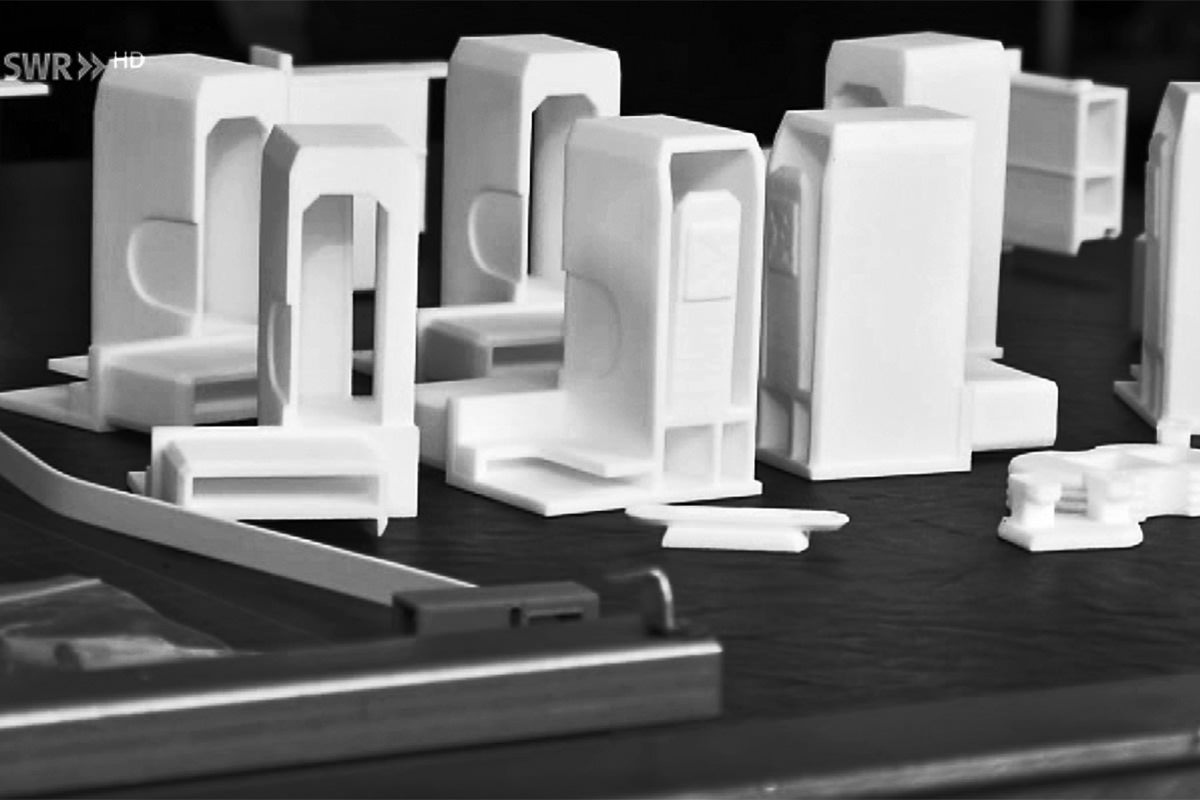
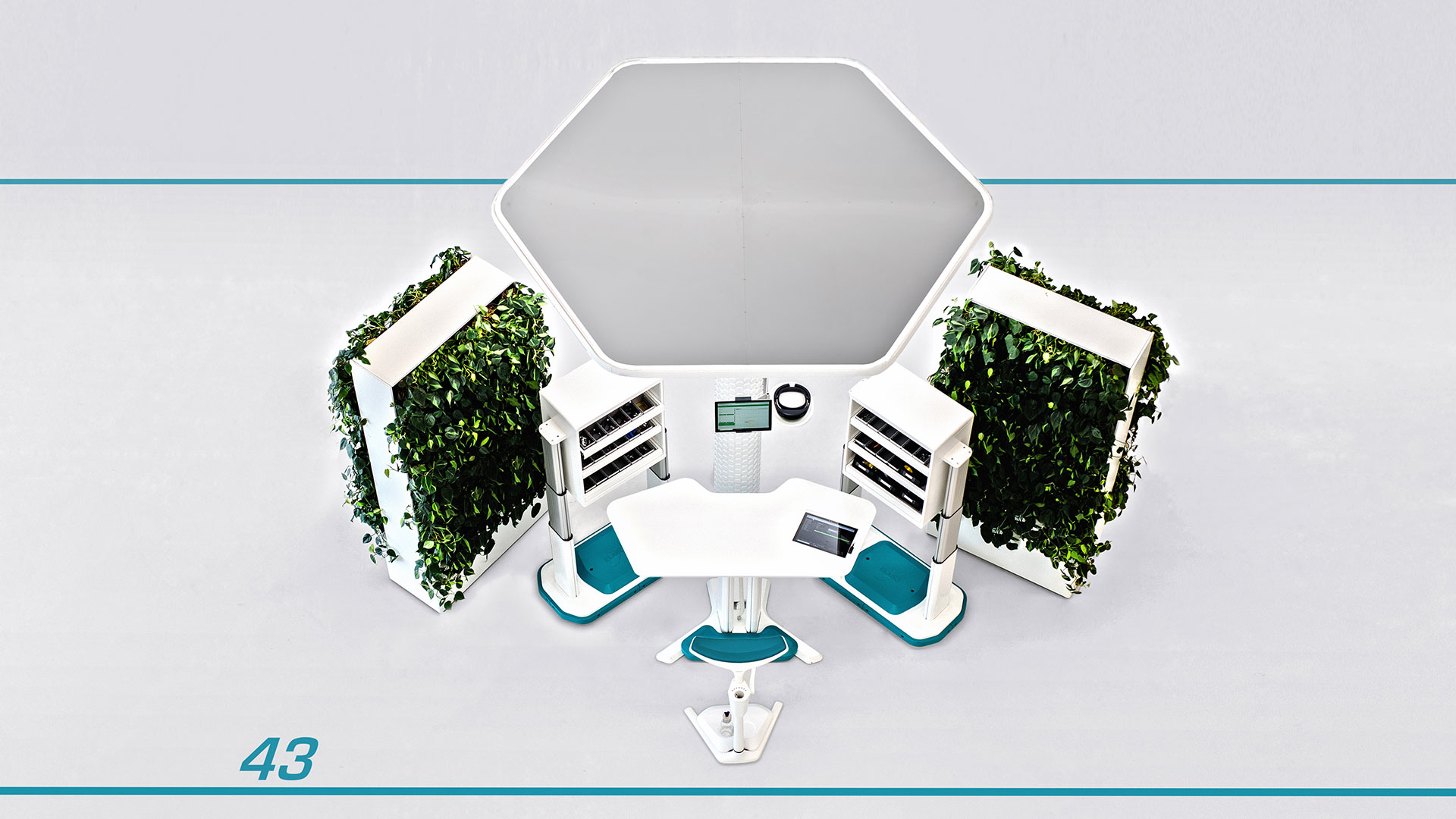
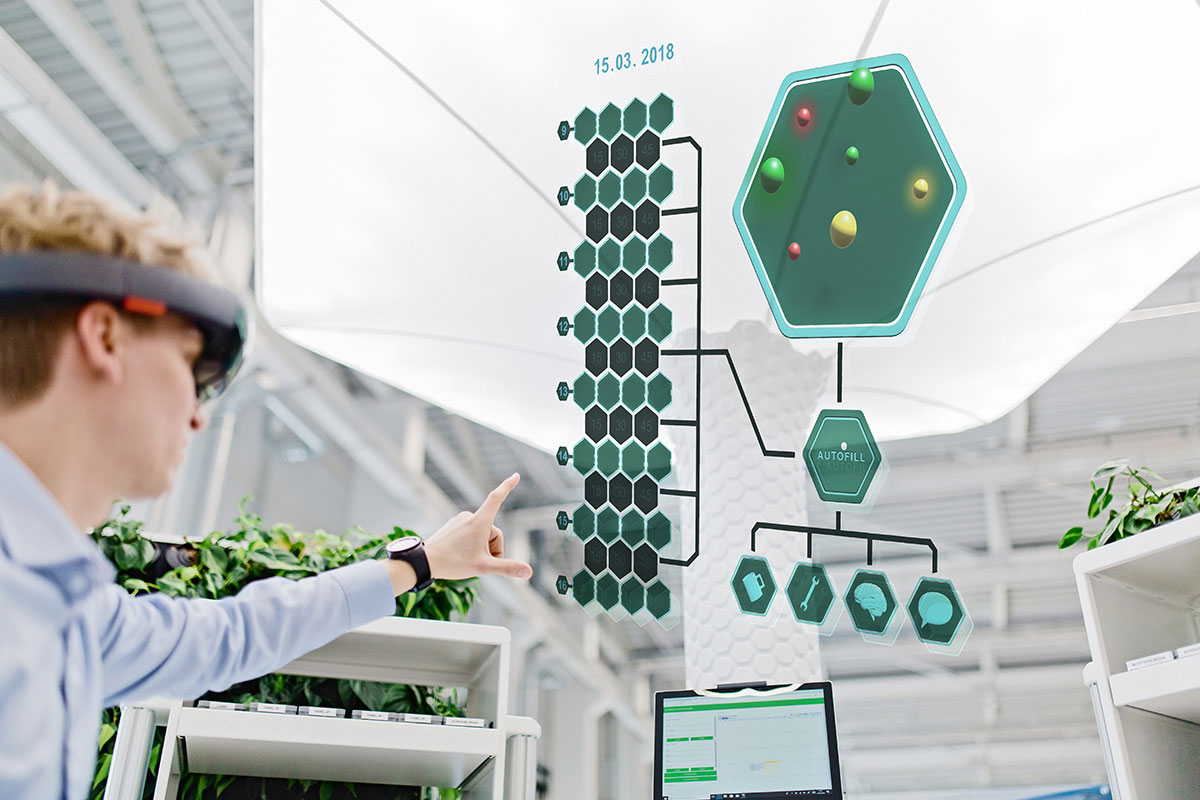
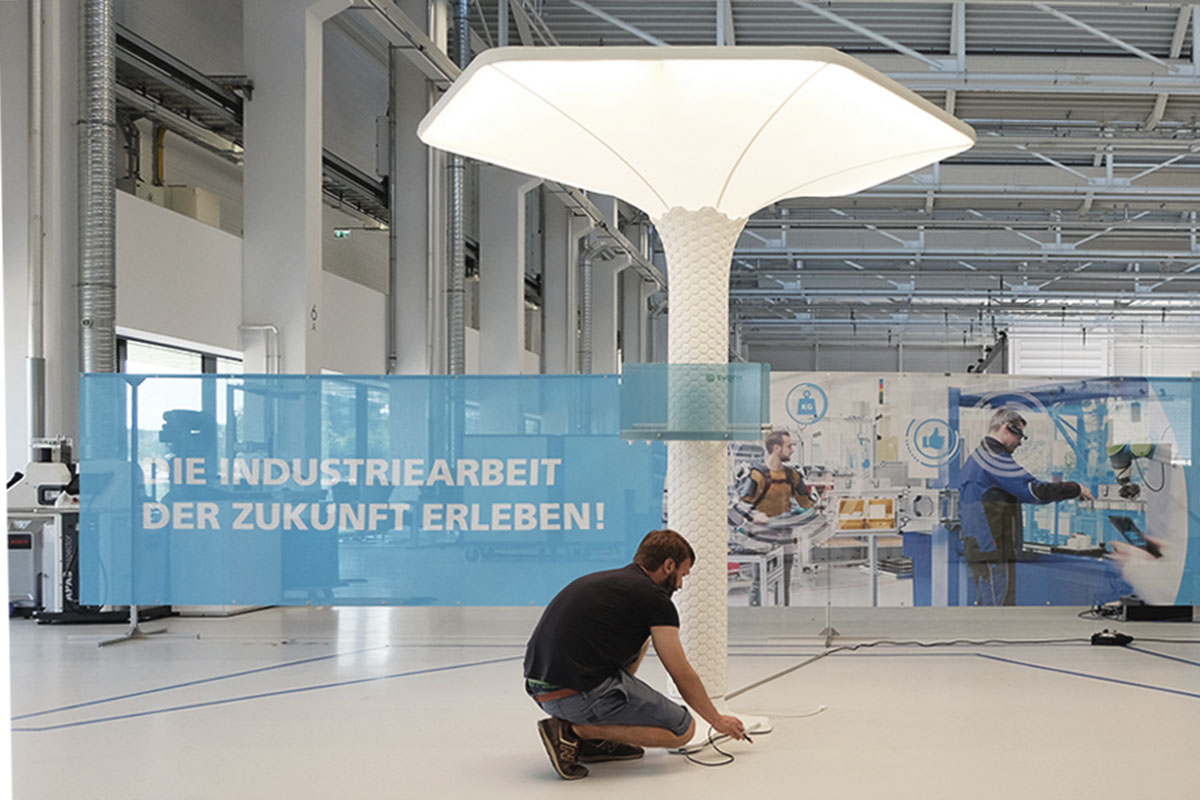
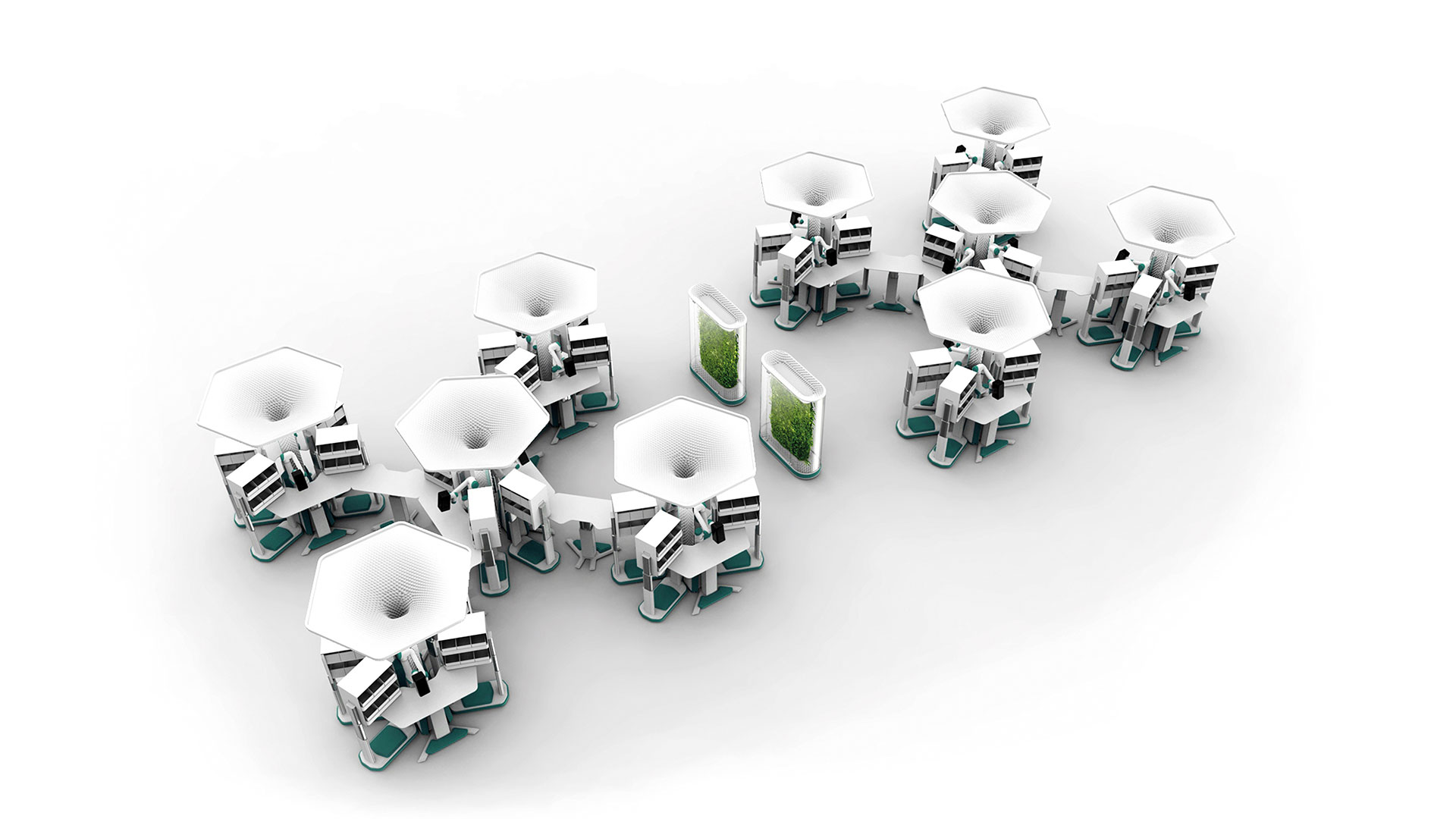
Fraunhofer IAO is investigating what such a work system could look like in cooperation with the design studio code2design and the companies aucobo, Ambright, Elabo and HoloLight using the example of a future assembly workplace as part of the molecular production system.
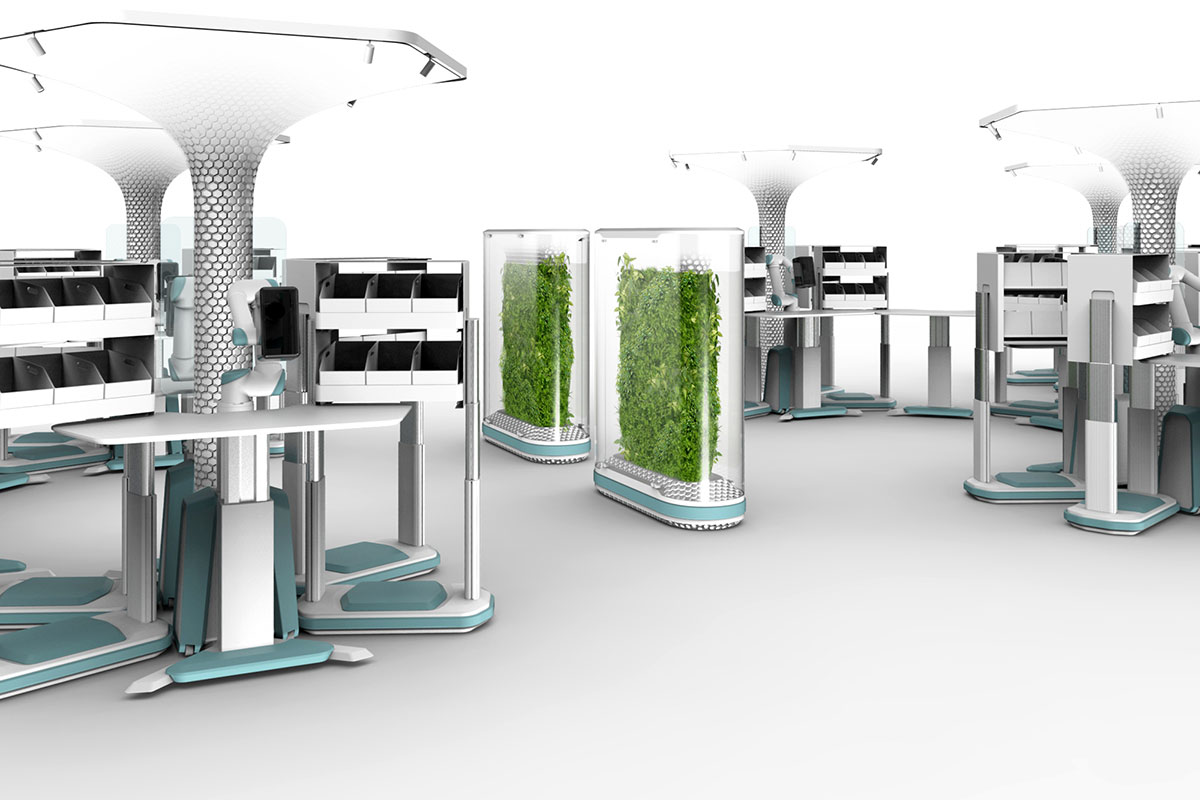
All modules of the production system are mobile and can be put together to create the necessary layout configuration in a very short time. In addition to the versatility of the production system, the focus of the implemented assembly workplace is on the worker, their requirements and expectations.
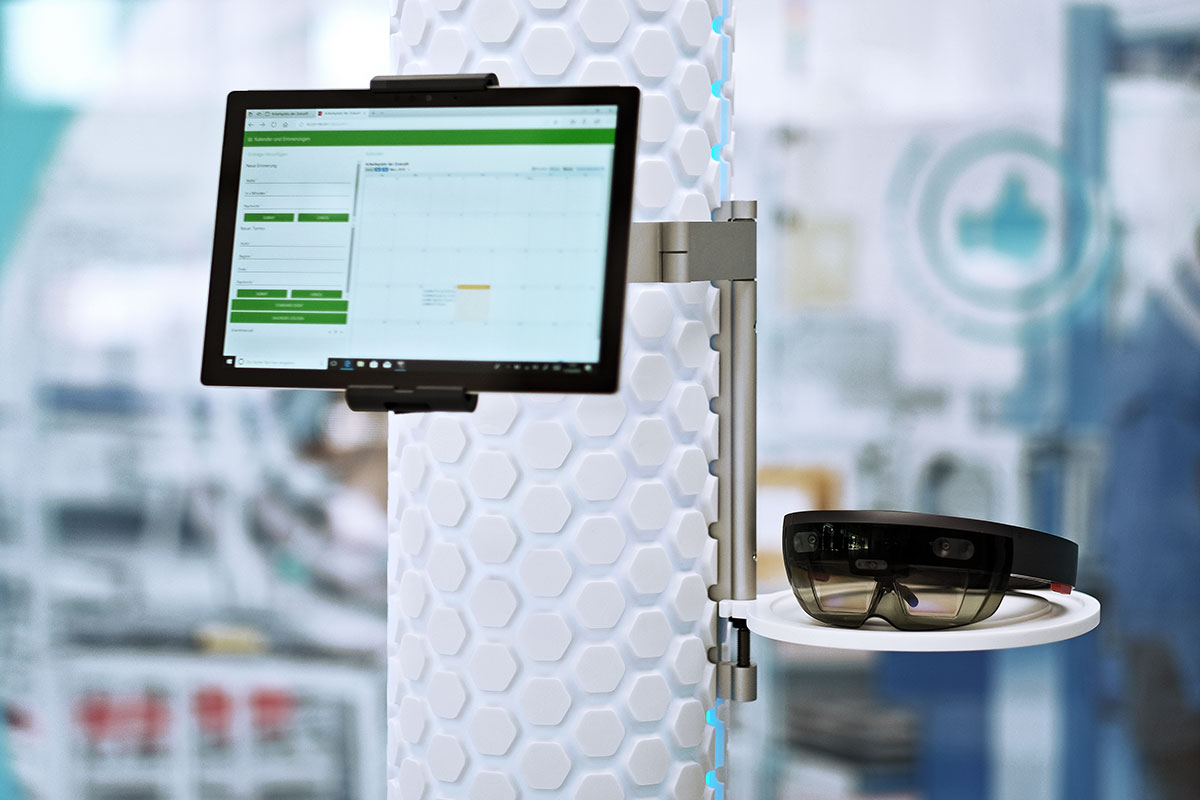
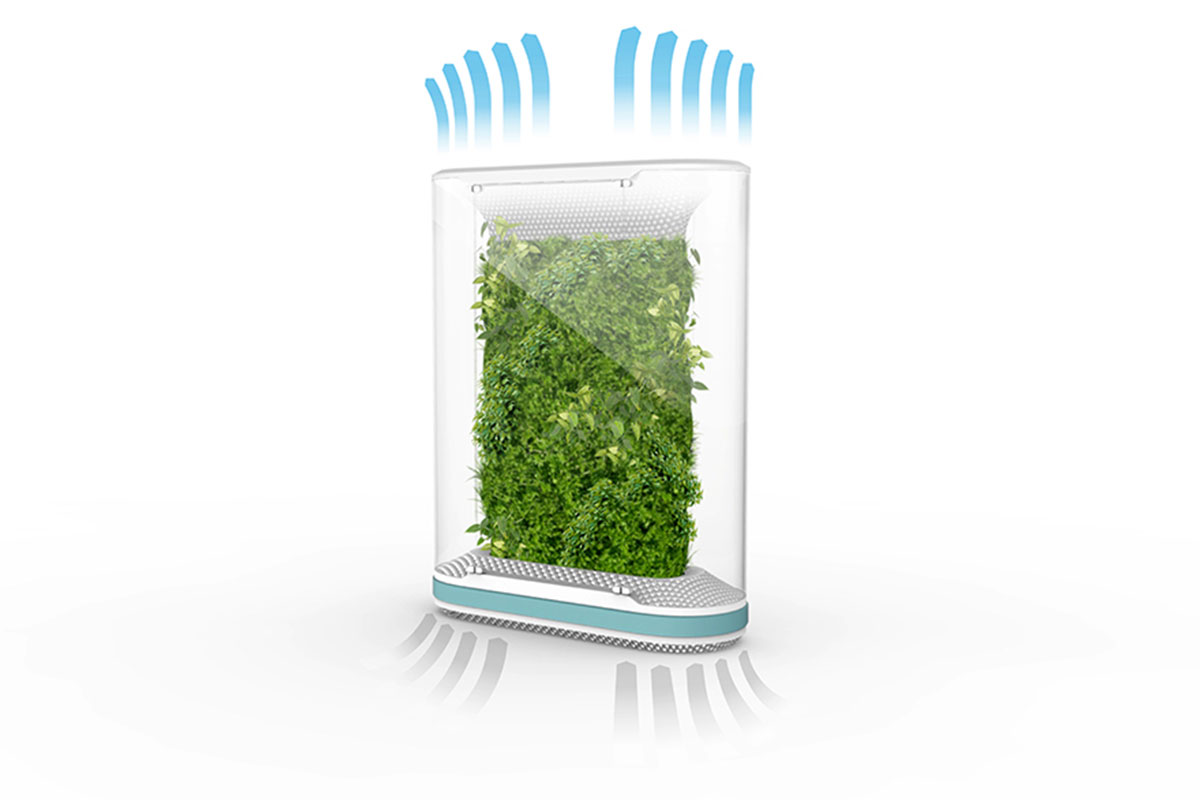
The design of the technologies is closely tailored to the needs of the day and the situation and thus enables an optimal user experience: The lighting situation, sitting or standing options, assistance functions and the air conditioning of the work area can be individually adjusted. Using voice assistance, the user can both control the workplace and navigate the digital assistance system. In this way, the molecular production system enables productive, healthy, learning-conducive and attractive work.