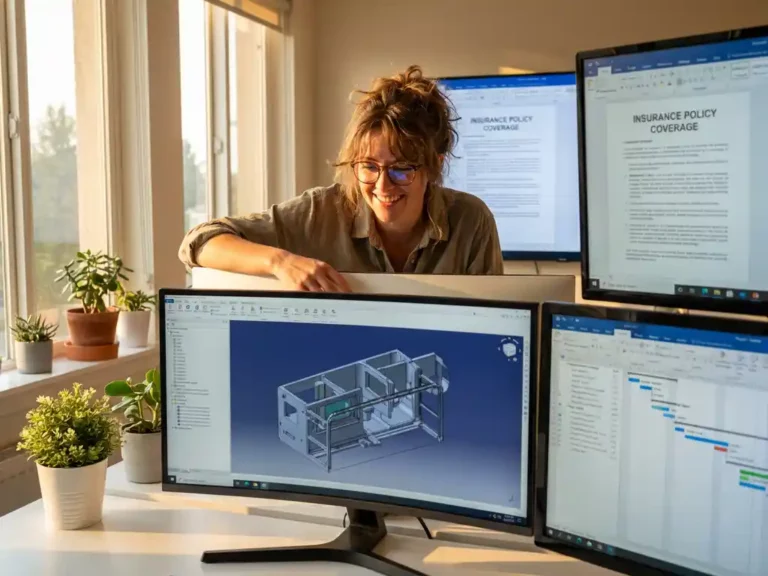
Industrial designers need several types of insurance coverage to protect their businesses from potential financial risks. Professional liability insurance is essential for design errors or omissions, while general liability covers physical accidents and property damage. Product liability insurance becomes crucial when designs reach the market, and cyber liability protects against digital threats. Understanding these coverage types helps designers make informed decisions about protecting their creative work and business assets.
What types of insurance do industrial designers actually need?
Industrial designers require four primary types of insurance: professional liability, general liability, product liability, and cyber liability insurance. Professional liability protects against design errors and omissions that could cause clients financial losses. General liability covers bodily injury and property damage occurring at your workspace or during client meetings.
Professional liability insurance is particularly vital for industrial design services, as it covers claims arising from design mistakes, missed deadlines, or inadequate specifications. This coverage protects you when clients suffer financial losses due to design-related issues.
Product liability insurance becomes essential when your designs reach the manufacturing and market stages. It protects against claims if a product you designed causes injury or property damage to end users. This coverage is especially important for consumer products and medical devices.
Cyber liability insurance protects digital assets, client data, and intellectual property. As industrial designers increasingly work with digital files and cloud-based collaboration tools, this coverage addresses data breaches, cyberattacks, and technology failures.
Business interruption insurance helps maintain operations during unexpected events. Equipment insurance covers expensive design tools, computers, and software. Some designers also consider key person insurance if the business heavily depends on specific individuals.
Why is professional liability insurance crucial for design projects?
Professional liability insurance protects industrial designers against claims of errors, omissions, or negligent acts in their professional services. It covers legal defence costs and damages when clients allege that design work caused financial losses, even if the designer followed proper procedures and industry standards.
Design projects involve complex technical specifications, material selections, and manufacturing considerations. Small oversights can lead to significant consequences, such as production delays, safety issues, or product recalls. When you hire an industrial designer, professional liability insurance helps ensure protection against these potential risks.
Coverage typically includes defence costs for lawsuits, settlements, and judgments related to professional services. It can also cover claims of intellectual property infringement, failure to deliver services as promised, and breach of confidentiality.
The insurance responds even when claims are groundless, covering legal expenses to defend your reputation and business. This protection is particularly valuable in industrial design, where projects often involve substantial client investments and tight deadlines.
Professional liability insurance also demonstrates credibility to potential clients. Many companies require proof of coverage before engaging design services, especially for high-value projects or regulated industries like medical devices or automotive components.
What’s the difference between product liability and professional liability for designers?
Professional liability covers mistakes in design services and advice, while product liability protects against physical harm or property damage caused by manufactured products based on your designs. Professional liability is triggered during the design phase, whereas product liability applies after products reach consumers.
Professional liability insurance addresses service-related issues such as design errors, missed deadlines, inadequate specifications, or failure to meet project requirements. It covers financial losses clients suffer due to professional mistakes or omissions in design work.
Product liability insurance protects against bodily injury or property damage caused by products you designed. This coverage becomes active when manufactured products harm users or damage property, regardless of whether the original design contained flaws.
The timing of coverage differs significantly. Professional liability typically covers incidents occurring during active design work and for several years after project completion. Product liability may extend for the entire product lifecycle, potentially decades for durable goods.
User experience industrial design projects particularly benefit from both types of coverage, as they involve both service delivery and end-user interaction. Professional liability protects the design process, while product liability covers user experience outcomes in real-world applications.
Many designers need both types of coverage for comprehensive protection. Professional liability handles business relationships and service delivery, while product liability addresses manufacturing and market risks beyond the designer’s direct control.
How much does insurance typically cost for industrial design studios?
Professional liability insurance for industrial design studios typically costs £1,500–£5,000 annually for small practices, with larger studios paying £5,000–£15,000 or more. Costs depend on revenue, project types, coverage limits, and claims history. General liability insurance usually costs £300–£1,200 annually for most design businesses.
Several factors influence insurance premiums. Studio size and annual revenue significantly impact costs, with higher revenues requiring higher coverage limits. Project complexity matters too—consumer products and medical devices typically cost more to insure than furniture or packaging design.
Coverage limits directly affect pricing. Basic professional liability policies might offer £250,000 of coverage, while comprehensive policies provide £1–2 million or more. Higher limits increase premiums but offer better protection for significant claims.
Geographic location influences costs, with urban areas typically having higher premiums due to increased litigation risks. Claims history plays a major role—studios with clean records often receive better rates and discounts.
Bundling multiple coverage types can reduce overall costs. Many insurers offer package deals combining professional liability, general liability, and cyber coverage at discounted rates compared to separate policies.
Risk management practices can lower premiums. Implementing quality control procedures, maintaining detailed project documentation, and using proper contracts demonstrate professionalism and may qualify you for reduced rates.
What should you look for when choosing insurance for design work?
Choose insurance providers with specific experience in design industry risks and coverage that includes intellectual property protection, worldwide territorial coverage, and defence cost coverage outside policy limits. Look for policies covering both negligent acts and failure to perform services as promised.
Industry specialisation is crucial when selecting insurance. Providers familiar with industrial design understand unique risks like intellectual property disputes, product development timelines, and manufacturing liability issues. They offer more appropriate coverage terms and better claims handling.
Coverage scope requires careful evaluation. Ensure policies cover all your service types, including consulting, design development, and project management. Worldwide coverage is important for international projects, and retroactive coverage protects against claims from past work.
Policy exclusions deserve close attention. Understand what situations are not covered, such as intentional acts, criminal behaviour, or specific industry sectors. Some policies exclude certain materials or product types relevant to your practice.
Claims-handling reputation matters significantly. Research how insurers handle design-related claims, their response times, and whether they use lawyers familiar with intellectual property and design issues. Quick, knowledgeable claims handling protects both finances and professional relationships.
Consider working with brokers specialising in professional services insurance. They understand design industry needs, can compare multiple insurers, and often negotiate better terms than direct purchases. Brokers also provide ongoing support for policy management and claims assistance.
Choosing appropriate insurance coverage protects your industrial design practice from various business risks while demonstrating professionalism to clients. Professional liability insurance remains the cornerstone of design business protection, complemented by general liability and product liability coverage based on your specific practice areas. Consider consulting with insurance professionals who understand design industry needs to ensure comprehensive coverage that supports your creative work and business growth.
Related Articles
- What role does user experience play in product development?
- How is AI changing the way industrial designers work?
- Was ist der Unterschied zwischen Produktentwicklung und Produktdesign?
- Was kostet eine Produkthaftpflichtversicherung?
- Welche Qualifikationen sollte ein Industriedesigner für technische Produkte haben?